



Suraksha Diagnostic Pvt Ltd’s Position in India’s Growing Health and Beauty Market
Suraksha Diagnostic Pvt Ltd franchise centres occupy a specific niche inside India’s broader wellness economy: organised, accessible pathology and diagnostic testing for middle-income households who increasingly treat preventive health checks as routine rather than occasional. Unlike salon or grooming formats that compete on aesthetics, a diagnostic lab competes on accuracy, turnaround time and trust in reported results. The brand’s spread across fifty to a hundred operating centres is not incidental growth; it reflects a measurable shift in how Indian families approach health monitoring, moving away from one-off hospital-linked tests toward neighbourhood labs they can visit repeatedly for the same family members over years. That repeat-visit behaviour is what gives a diagnostics franchise a different demand curve than most retail or beauty formats, and it is the foundation this brand’s network is built on.
Why Spending on Health and Beauty Is Growing in India
Household spending on preventive healthcare has risen sharply as urban incomes climb and lifestyle-linked conditions such as diabetes, thyroid disorders and cardiac risk become common across working-age Indians, not just the elderly. Where a previous generation visited a lab only when a doctor mandated it, today’s salaried professionals and dual-income families schedule annual full-body panels on their own initiative, often before any symptom appears. This shift mirrors the broader pattern seen across India’s health and beauty spending categories, where consumers are migrating from unbranded, inconsistent local providers to formats that promise standardised process and verifiable credentials. For diagnostics specifically, this translates into steady walk-in volume for centres that can demonstrate accreditation and consistent reporting, which is precisely the demand pocket a franchise of this scale is positioned to capture.
Why a Suraksha Diagnostic Pvt Ltd Franchise Outperforms an Independent Centre in This Category
An independent diagnostic lab in a Tier 2 town typically operates on whatever testing protocol its owner-pathologist prefers, with no external accreditation pressure and no buying leverage on reagents or equipment. A franchise centre under an established network inherits NABL-aligned testing protocols and CGHS empanelment positioning that independent operators struggle to replicate without years of paperwork and capital. Centralised procurement also matters more in this category than most: reagent and consumable costs are a recurring expense, and network-level purchasing typically brings per-test input costs down in ways a single-location lab cannot negotiate on its own. Add to this the credibility transfer of an established brand name that patients already recognise from other cities, and a franchise centre starts with a trust deficit advantage over a brand-new independent lab that has to build that recognition from zero.
Geographic Opportunity and Target Locations
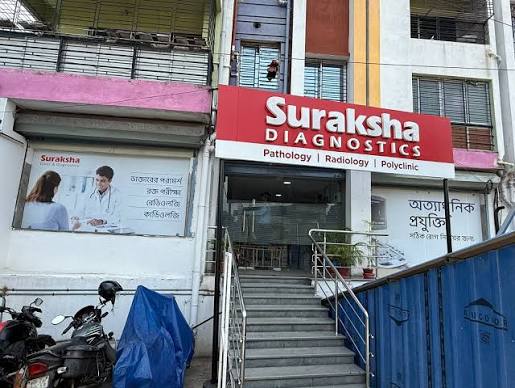
With the network already present in fifty to a hundred locations, the strongest remaining whitespace sits in Tier 2 and emerging Tier 3 towns where organised diagnostic chains have only a thin footprint, alongside dense Tier 1 residential catchments that are currently served by smaller standalone collection centres rather than full-service labs. A 150 to 200 square foot footprint suits both a ground-floor commercial unit on a high-footfall residential road and a space inside or adjacent to a polyclinic or nursing home, since either location type benefits from the steady referral flow that comes from nearby medical practitioners. Markets with a visible cluster of clinics, pharmacies and a growing residential population of working professionals tend to generate the fastest ramp-up, since these are the demographics most likely to book preventive panels without a doctor’s prompt.
Competitive Differentiation: Why Clients Choose Suraksha Diagnostic Pvt Ltd
In a Tier 2 city, a patient choosing between a competing diagnostic franchise and a long-running independent lab is usually weighing two things: how quickly and reliably reports arrive, and whether the testing process itself is consistent every time they visit. A franchise built around defined sample-collection protocols and centralised quality checks reduces the variability that independent labs are prone to, particularly on tests where reagent handling and calibration affect outcome accuracy. The presence of empanelment recognitions that matter to government and insurance-linked patients also gives this format an edge that a purely local lab, however well regarded, often cannot match without years of separate accreditation effort. For many families, the decision ultimately comes down to whether they trust the number on the report, and that trust compounds with every consistent experience the centre delivers.
The Wellness Economy and Long-Term Category Outlook
India’s organised diagnostics sector remains considerably less consolidated than comparable healthcare markets in East and Southeast Asia, where branded lab chains account for a much larger share of total testing volume. That gap is the long-term opportunity: as insurance penetration deepens and employer-sponsored health checks become standard practice across mid-sized companies, the volume of tests routed through organised, accredited labs is expected to keep climbing well past current levels. A brand with six decades of operating history and a franchise model already proven across dozens of centres sits in a stronger position to absorb that growth than a new entrant still establishing its accreditation and referral network. The category’s high recession resistance, since health testing demand does not contract sharply even when discretionary spending does, adds a further layer of stability to this outlook.
Who Builds the Most Valuable Suraksha Diagnostic Pvt Ltd Centre
The franchisees who get the most out of this format tend to come from a medical, paramedical or science background, not because the role requires them to perform tests personally, but because that background helps them hire correctly, supervise technicians with credibility, and speak to referring doctors as a peer rather than a vendor. Diagnostics is a relationship business at the referral level: local physicians send patients to labs they trust, and that trust is earned through accuracy over time, not marketing spend. An owner-operator who understands sample handling standards, can manage a small team of three to ten staff including phlebotomists and lab technicians, and treats every reporting error as a credibility risk rather than a minor inconvenience, builds the kind of centre that sustains repeat referrals and steady walk-in growth.



How does Suraksha Diagnostic Pvt Ltd compare to other health and beauty franchises at this investment level?
At a similar low-to-mid investment band, most alternatives in the broader health and beauty category are salon, grooming or wellness service formats with very different staffing and equipment needs. A Suraksha Diagnostic Pvt Ltd franchise stands apart because its revenue is anchored in recurring, often medically necessary testing demand rather than discretionary personal care spending, which generally gives it more stable footfall through economic cycles.
Is a Suraksha Diagnostic Pvt Ltd centre viable in Tier 2 and Tier 3 Indian cities?
Yes, and in many respects these markets currently offer better growth headroom than saturated metro catchments, provided the location sits near a cluster of clinics, pharmacies or a residential population with rising health awareness.
What consumer trend is driving demand for Suraksha Diagnostic Pvt Ltd's service category?
The shift from reactive, doctor-mandated testing toward proactive, self-initiated preventive health checks among working-age Indians is the primary driver, supported by rising lifestyle-related health conditions and growing health insurance coverage.
How does Suraksha Diagnostic Pvt Ltd ensure service quality consistency across its franchise network?
Consistency is maintained through standardised sample-collection and reporting protocols aligned with NABL-type accreditation expectations, which reduces the variability commonly seen across independent, non-networked labs.
What is Suraksha Diagnostic Pvt Ltd's expansion strategy for India?
Expansion has historically been measured rather than aggressive, prioritising markets with strong referral ecosystems and household demand for organised diagnostic services over rapid, unscreened territory saturation, a pattern consistent with the brand's six-decade operating history.
Disclaimer: All scores, rankings, and estimates on ForeFind are independently produced editorial assessments using publicly available data and validated brand-submitted information. They are not verified facts, financial advice, or investment recommendations. Full Disclaimer.
