



Stoneheadbikes Franchise: Workshop Operations, Daily Management and What Owning This Business Requires
Operating across Delhi, Pune, Mumbai, Bengaluru, Rishikesh, and extending into Nepal and Bhutan, the Stoneheadbikes franchise offers a multi-vehicle rental and adventure tourism platform that covers motorcycles, bicycles, and self-drive cars alongside escorted and tailor-made tour packages. The brand’s distinctiveness within the bike rental category is its integration of vehicle rental with full touring services — hotel bookings, guided itineraries, and fixed-departure group tours to destinations including Leh, Manali, Rajasthan, and the Himalayan foothills. For an investor imagining the daily reality of running this business, the operational profile is more complex than a standard rental counter and more commercially interesting as a result.
What Stoneheadbikes Does and Which Vehicles It Serves
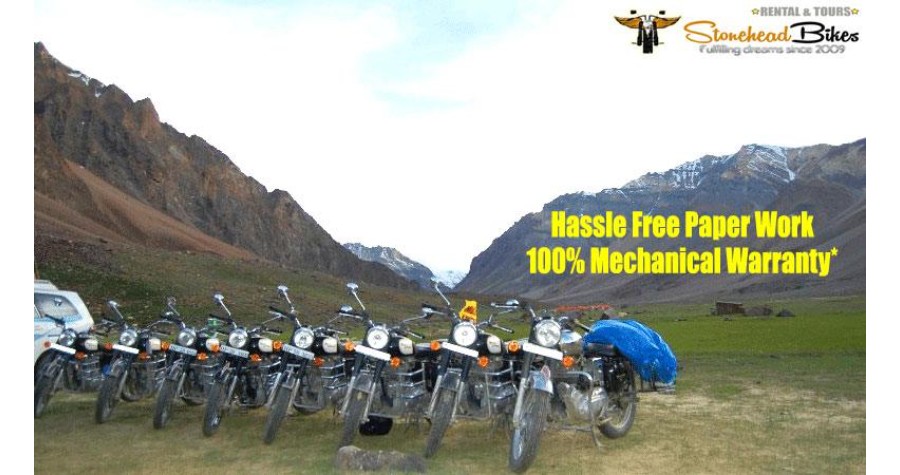
Stoneheadbikes provides self-drive motorcycle, bicycle, and car rentals alongside organised tour services for adventure travellers, leisure tourists, and corporate clients. The fleet spans Royal Enfield, Hero Honda, Bajaj, BSA Hercules cycles, Maruti Suzuki, and Mahindra — a range that covers everything from the everyday commuter scooter to the long-distance touring motorcycle. A typical customer engagement ranges in complexity: a tourist walking in for a one-day Royal Enfield rental completes a straightforward transaction — vehicle selection, documentation, deposit, handover, return. A corporate client arranging a fleet of motorcycles for a branded riding event requires advance planning, multiple vehicle preparation, and itinerary coordination. A group booking for an escorted tour to Leh involves weeks of pre-trip communication, hotel and logistics coordination, and on-road support. The breadth of the model is its commercial strength — the same outlet and team can generate revenue from daily transient renters, regular local riders, and high-value tour groups simultaneously.
Workshop Operations: A Typical Service Day
The day begins with fleet readiness checks. Every vehicle scheduled for rental that day is inspected before handover — tyre pressure, brake function, fuel level, mechanical condition, and for motorcycles, chain tension and lights. Any vehicle flagged during this check is pulled from the day’s rental roster and sent to the maintenance queue. Customer intake for same-day rentals runs through the morning and midday; documentation, deposit processing, and vehicle briefing for each renter takes fifteen to twenty minutes and is handled by front-desk staff. Advance bookings — particularly for tours and multi-day rentals — are prepared the previous evening so vehicles are ready and pre-inspected at time of collection. Returns throughout the day involve a vehicle condition check, documentation sign-off, and deposit refund processing. End-of-day tasks include fleet status review, maintenance scheduling for any vehicles with reported or observed issues, and booking preparation for the following day’s rentals.
Technician Recruitment, Training, and Productivity
A Stoneheadbikes outlet with two to eight staff typically runs on a maintenance technician who handles all motorcycle and cycle servicing, one or two customer-facing rental coordinators who manage bookings, documentation, and handover, and in larger outlets a dedicated tour coordinator for group and adventure bookings. For tourism-active locations like Rishikesh or Manali, guides with route knowledge and first aid training are an additional staffing requirement for escorted tours. The maintenance technician needs two-wheeler mechanical competence across the brands in the fleet — a candidate who has serviced Royal Enfield and Hero Honda at an authorised workshop or independent garage has the technical baseline required. In Tier 2 adventure tourism cities, motorcycle mechanics are typically available through the local automotive training ecosystem, and most develop brand-specific familiarity quickly once working with the actual fleet. The franchisor’s training programme covers the operational procedures, documentation requirements, and customer interaction standards specific to the rental and tour model.
Parts Procurement, Inventory Management, and Margin
A rental fleet with this vehicle diversity requires a broader parts inventory than a single-brand outlet. High-frequency consumables — tyres and tubes across the motorcycle and bicycle range, brake components, chains, oil and filters for regular servicing — are the primary stock requirement. The multi-brand fleet means the franchisee manages parts across Royal Enfield, Bajaj, Hero Honda, and cycle components simultaneously, which requires disciplined inventory tracking to avoid both stockouts and dead stock. For the car rental component, Maruti Suzuki and Mahindra parts are widely available through the organised retail aftermarket, reducing procurement risk. Counterfeit parts are a genuine concern in the informal parts market, particularly for motorcycle components; sourcing from authorised dealer networks or established distributors rather than roadside parts vendors is the practice that protects fleet reliability and, by extension, customer safety and brand reputation.
Customer Acquisition and Building a Repeat Client Base
Walk-in tourist traffic provides the initial revenue base but is inherently seasonal and unpredictable. The most financially stable Stoneheadbikes outlets supplement this with three recurring revenue streams. Corporate fleet leasing — motorcycles and cars leased to private and public sector companies for fixed periods — provides contracted monthly income that is independent of tourist footfall. Adventure tour groups — escorted tours to Leh, Manali, Rajasthan — are booked weeks or months in advance, enabling the franchisee to manage vehicle allocation and logistics predictably. Individual regular renters — local enthusiasts who ride on weekends and book consistently — form the third layer. Online booking through the brand’s platform extends geographic reach beyond walk-in proximity, which is particularly valuable for destination-based outlets where advance bookings from distant locations form a significant portion of revenue.
Equipment, Technology, and Diagnostic Systems
The physical infrastructure for a Stoneheadbikes outlet focuses on fleet storage, basic maintenance capability, and a customer service area within the 300 to 1,000 square foot space. Two-wheeler maintenance requires hand tools, tyre changing and inflation equipment, basic engine servicing capability, and chain and brake service tools — a more modest equipment requirement than a full workshop, because the rental model’s goal is preventive maintenance and roadworthiness rather than complex repair. The online booking system and digital payment integration are provided through the brand’s technology platform, which handles customer bookings, payment processing, and booking management. Documentation management — rental agreements, KYC records, deposit tracking — is a critical operational area in a rental business, and the franchisor’s system provides the framework for this to be managed consistently rather than improvised by each franchisee independently.
Who Runs a Stoneheadbikes Workshop Successfully
The franchisee who builds a profitable Stoneheadbikes outlet brings genuine passion for adventure travel and motorcycle culture — which creates the kind of authentic engagement with tour customers and riding enthusiasts that distinguishes memorable rental experiences from transactional ones — alongside the commercial discipline to manage a multi-vehicle fleet, maintain documentation integrity, and develop the corporate and tour group relationships that stabilise monthly revenue beyond tourist season peaks. Tourism entrepreneur experience is the most relevant background: someone who already understands how to work with hotels, travel agents, and corporate travel managers is positioned to build the institutional revenue layer that elevates this business beyond a rental counter. Franchisees who treat the Stoneheadbikes franchise as a passive investment managed entirely through hired staff consistently fail to build the repeat corporate and tour bookings needed for profitability, because those relationships are built through personal credibility and sustained engagement rather than through a rental listing on a platform.
Accepting franchise applications in 12 states & UTs

What workshop space and infrastructure does a Stoneheadbikes franchise require?
The format operates from 300 to 1,000 square feet combining a customer service and vehicle handover area with a maintenance zone for fleet upkeep. The vehicle storage component of this space varies with fleet size — a fleet of ten to fifteen motorcycles and bicycles requires adequate covered parking alongside the operational areas. In tourist and commercial locations, the space ideally has visible street frontage that allows passing tourists and riders to identify the outlet easily, which drives walk-in traffic that supports the digital booking channel.
What equipment does Stoneheadbikes supply as part of the franchise package?
The franchise includes brand access, the operational system and booking technology, training, and ongoing support. The vehicle fleet — motorcycles, bicycles, and cars — is the primary capital investment made by the franchisee. Basic maintenance tooling is specified through the franchisor's setup guidance. Some items may be procured through the brand's supplier relationships; others are sourced locally to specification. The technology infrastructure for online booking and digital payments is provided through the brand's platform rather than developed independently by each franchisee.
How does Stoneheadbikes train franchisee technicians?
Training covers rental operations — vehicle handover and return procedures, documentation requirements, damage assessment, and customer communication — alongside fleet maintenance protocols for the motorcycle, bicycle, and car range. Tour coordination training addresses itinerary management, hotel and logistics booking, customer briefing for adventure routes, and safety protocols for escorted rides. The training is designed for franchisees with tourism or service business backgrounds rather than requiring prior automotive technical experience, though candidates with motorcycle maintenance knowledge develop full operational capability faster.
Can a Stoneheadbikes workshop be managed by a hired workshop manager?
Day-to-day rental operations and fleet maintenance can function under competent hired management once the operational procedures are embedded and the team is stable. The corporate fleet leasing and adventure tour booking components — where the franchisee's direct relationships with clients and tour operators are the primary commercial driver — benefit from owner involvement, particularly in the first two years when those relationships are being established. Outlets that delegate all commercial relationship management from the outset typically develop smaller corporate and tour group client bases than those where the owner is actively engaged in building and maintaining those connections.
How does Stoneheadbikes support franchisees in building corporate and fleet client relationships?
The brand's existing presence across multiple cities and its experience in both individual and corporate bike leasing provides franchisees with a business development framework and credibility that supports conversations with private and public sector companies. The tour brand's presence in adventure travel communities — fixed departure tours, escorted rides — creates a reference point for group bookings that new franchisees can reference when approaching travel agents and corporate travel managers. Local relationship development — building connections with hotels, travel agencies, adventure sports operators, and corporate HR departments — is the franchisee's direct contribution to building the institutional revenue layer that the brand's operational support framework enables.
Disclaimer: All scores, rankings, and estimates on ForeFind are independently produced editorial assessments using publicly available data and validated brand-submitted information. They are not verified facts, financial advice, or investment recommendations. Full Disclaimer.
