



Silkashi Franchise
1. Brand & Franchise Snapshot
| Brand Name | Silkashi |
|---|---|
| Industry | Retail |
| Business Category | Women’s Ethnic Wear / Clothing Store |
| Founded Year | 2011 |
| Franchise Started | Not specified |
| Total Franchise Outlets | 1–10 |
| Estimated Investment | INR 10,000 – 50,000 |
| Franchise Fee | Typically a one-time fee granting brand access and operational support |
| Royalty Fee | Not specified (commonly includes brand support or marketing contributions in retail franchises) |
| Space Requirement | 1,000–2,000 sq. ft. |
| Staff Requirement | Varies by outlet size; generally 3–6 employees for sales, styling, and operations |
| Expected Payback Period | 2–3 years |
Understanding the Brand
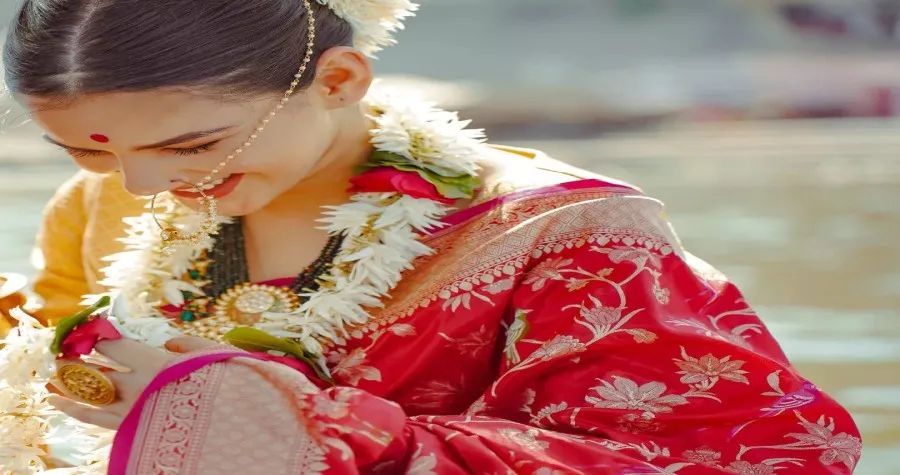
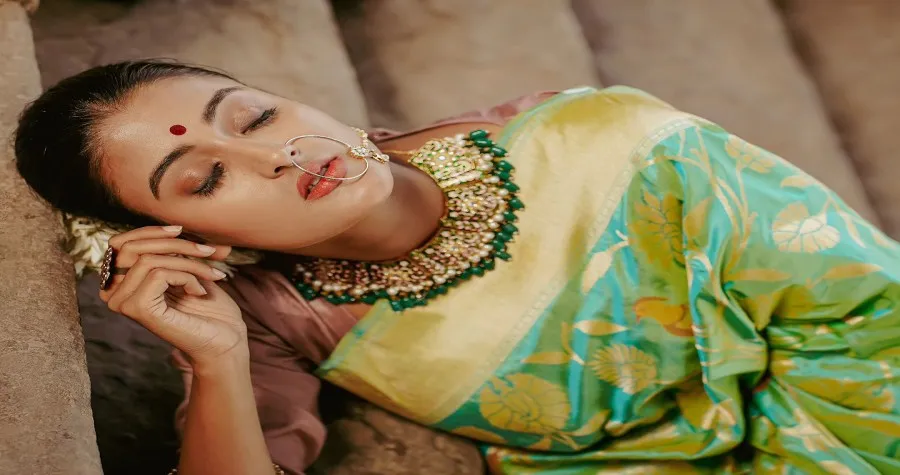
Silkashi operates in the retail clothing sector, specializing in women’s ethnic wear. Franchise outlets serve female customers seeking sarees, salwar kameez, suits, kurtis, and lehengas. This franchise belongs to the broader ethnic wear retail category, combining traditional craftsmanship with contemporary fashion design.
2. Business Concept
The franchise centers around offering a curated range of ethnic wear that blends traditional Indian textiles with modern design. Outlets provide a personalized shopping experience with diverse options for daily wear, festive attire, and special occasions. Unlike generic clothing stores, the franchise focuses exclusively on women’s ethnic fashion with attention to craftsmanship and cultural authenticity.
3. How the Business Works
Customers visit retail outlets to explore and purchase ethnic garments. Franchise partners manage inventory, sales, customer service, and merchandising. Revenue is generated primarily through retail sales of garments and accessories. Daily operations include product display, personalized styling assistance, sales transactions, and inventory replenishment.
4. Products or Services Offered
Franchise outlets provide:
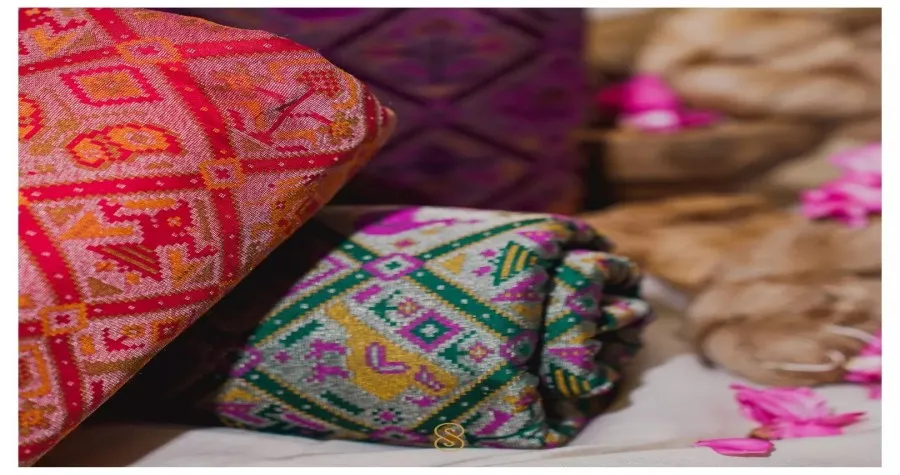
| Sarees | Handloom, designer, chiffon, and embellished options for various occasions |
|---|---|
| Salwar Kameez | Everyday wear and festive ensembles with diverse styles |
| Suits and Kurtis | Casual and semi-formal ethnic attire suitable for daily use |
| Lehengas | Traditional and contemporary designs for weddings, festivals, and celebrations |
| Accessories | Complementary items such as dupattas and ethnic embellishments |
This product mix allows franchisees to cater to both daily wear and event-driven demand.
5. Franchise Structure and Operating Model
Franchise partners operate retail stores under the Silkashi brand. Responsibilities include managing staff, inventory, and customer experience while maintaining brand guidelines. The franchisor provides operational manuals, merchandising standards, product sourcing assistance, and marketing guidance. Standardization ensures consistent quality, display aesthetics, and service across outlets.
6. Franchise Cost and Investment
Estimated investment ranges from INR 10,000–50,000, covering:
| Franchise Fee | Brand access and initial guidance |
|---|---|
| Store Setup | Fixtures, display racks, and interior design |
| Inventory | Garments and accessories stock |
| Staffing Costs | Salaries for sales and operational personnel |
| Operational Expenses | Utilities, marketing, and promotions |
Investment levels support small-to-medium scale ethnic wear retail operations.
7. Space and Setup Requirements
Outlets require 1,000–2,000 sq. ft., suitable for garment displays, fitting areas, and customer interaction. Preferred locations include shopping centers, high-footfall retail streets, or commercial complexes. Equipment includes display racks, mirrors, counters, and point-of-sale systems. Staffing typically consists of 3–6 employees depending on outlet size.
8. Training and Franchise Support
Franchisees receive:
| Operational Training | Sales processes, visual merchandising, and store management |
|---|---|
| Setup Assistance | Store layout planning and inventory stocking guidance |
| Marketing Support | Local promotions, branding, and seasonal campaigns |
| Ongoing Advisory | Customer service strategies and inventory optimization |
Support systems help maintain consistent service and enhance customer experience.
9. Revenue Model and ROI Factors
Revenue is generated through retail sales of ethnic garments. Key drivers include:
| Pricing Model | Standardized retail pricing with seasonal adjustments |
|---|---|
| Customer Demand Drivers | Festivals, weddings, and cultural events |
| Repeat Purchase Potential | Occasion-based and daily ethnic wear |
| Operational Costs | Staff wages, inventory procurement, and marketing |
Expected payback period ranges from 2–3 years, reflecting moderate investment and gradual market penetration.
10. Brand Background and Expansion
Established in 2011, Silkashi operates in women’s ethnic wear retail with expansion potential through franchise partnerships. Growth strategy focuses on opening outlets in urban markets and establishing a recognizable presence through consistent product quality, craftsmanship, and curated collections.
11. What Makes This Franchise Different
Silkashi differentiates itself by combining traditional Indian craftsmanship with contemporary design, offering a curated ethnic wear experience. Unlike general apparel stores, the franchise emphasizes cultural authenticity, personalized service, and diversified ethnic collections, positioning franchisees to attract customers seeking quality, heritage-driven, and fashion-forward attire.
Key Advantages of the Franchise
- Niche market in women’s ethnic wear with high cultural relevance
- Scalable model with small-to-medium retail investment
- Repeat customer potential driven by festivals and celebrations
- Structured operational and merchandising guidance
- Potential to establish brand presence in urban markets
12. Who Should Consider This Franchise
Suitable candidates include:
- First-time entrepreneurs in fashion retail
- Individuals passionate about ethnic wear and women’s apparel
- Investors seeking niche, small-scale retail businesses
- Operators aiming to deliver curated ethnic fashion with consistent quality
Ideal for those capable of managing staff, merchandising, and customer service.
14. Similar Franchise Opportunities
Investors may also consider:
- Biba – Women’s Ethnic Wear
- W – Contemporary Ethnic Apparel
- Manyavar – Wedding and Festive Ethnic Wear
- FabIndia – Traditional Indian Apparel
- Ritu Kumar – Designer Ethnic Wear
These brands operate in ethnic wear retail, offering comparable franchise investment and operational models.

What investment is required for Silkashi franchise?
Total investment ranges from INR 10,000–50,000, covering franchise fee, store setup, inventory, and operational expenses. Final investment depends on outlet size, location, and product assortment.
How does the Silkashi franchise operate?
Franchisees manage retail operations, inventory, and customer service under brand guidelines. Revenue comes from sales of ethnic wear garments, supported by franchisor-provided merchandising and operational guidance.
What space is required to start the franchise?
Outlets require 1,000–2,000 sq. ft., accommodating displays, fitting rooms, and customer interaction areas. Location choice impacts footfall and sales potential.
How long does it take to recover the investment?
Expected payback period is 2–3 years, depending on location, customer demand, and operational efficiency.
How can investors apply for the franchise?
Prospective franchisees contact the company, submit an application, and undergo evaluation based on outlet location, investment readiness, and operational capability. ## 14. Similar Franchise Opportunities
Disclaimer: All scores, rankings, and estimates on ForeFind are independently produced editorial assessments using publicly available data and validated brand-submitted information. They are not verified facts, financial advice, or investment recommendations. Full Disclaimer.
