



Shard Center For Innovation Franchise
Brand & Franchise Snapshot
| Brand Name | Shard Center For Innovation |
|---|---|
| Industry | Education / Skill Development / EdTech |
| Business Category | Vocational Training & Technology Education |
| Founded Year | 2023 |
| Franchise Started | 2023 |
| Total Franchise Outlets | 50–100 |
| Estimated Investment | ?10 Lakhs – ?20 Lakhs |
| Franchise Fee | Typically included within initial setup or licensing structure |
| Royalty Fee | Generally structured as a percentage of revenue for ongoing support |
| Space Requirement | 2000 – 2100 sq.ft. |
| Staff Requirement | Trainers, technical instructors, and center management staff |
| Expected Payback Period | 1–2 years |
Understanding the Brand
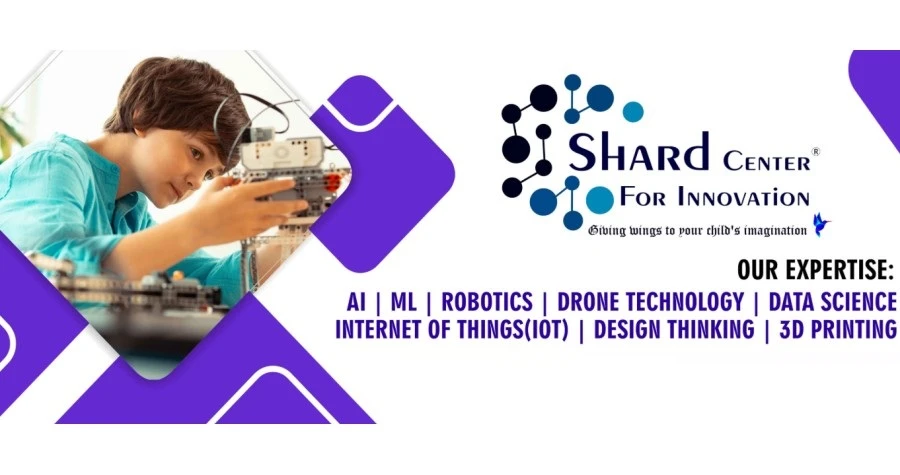
Shard Center For Innovation is a vocational training franchise operating in the technology education and skill development sector. It provides specialized training programs in emerging technologies such as artificial intelligence, robotics, and data science, targeting students, young learners, and individuals seeking future-oriented technical skills.
2. Operating Concept
The business functions as a training center delivering structured, hands-on learning programs.
Students enroll in courses focused on specific technologies. Classes are conducted through a combination of theoretical instruction and practical projects. The operational workflow includes batch scheduling, curriculum delivery, lab-based training, and performance evaluation.
Typical workflow includes:
- Student enrollment and course selection
- Classroom and lab-based training sessions
- Project development and skill assessments
- Certification and course completion
Revenue is generated through course fees, program packages, and specialized training modules.
3. Products or Service Categories
The center offers training across multiple advanced technology domains:
Core Technology Programs
- Artificial Intelligence (AI)
- Machine Learning (ML)
- Data Science
Engineering & Innovation Programs
- Robotics and automation
- Drone technology
Design & Emerging Tech
- 3D printing and digital fabrication
- Internet of Things (IoT)
- Design thinking and innovation frameworks
These programs are typically delivered through practical, project-based learning formats.
4. Franchise Partnership Structure
The franchise operates under a standardized education delivery system.
Franchise Partner Responsibilities
- Managing daily center operations
- Hiring and supervising trainers
- Driving student enrollments and local marketing
- Maintaining infrastructure and training quality
Franchisor Role
- Providing curriculum and course structure
- Offering training methodologies and content
- Supporting center setup and launch
- Providing operational and academic guidance
Franchisees run the center independently while adhering to defined training standards.
5. Investment and Startup Costs
The investment level is moderate compared to other education franchises.
Investment Overview
- ?10–20 lakhs for setup and operations
Key Cost Components
- Training lab equipment (computers, robotics kits, devices)
- Interior setup and classroom infrastructure
- Software tools and licenses
- Marketing and student acquisition
In training franchises, royalty fees typically represent ongoing payments for curriculum updates, brand usage, and operational support.
6. Outlet Setup Requirements
The center requires a structured educational and lab environment.
Space Requirements
- 2000 to 2100 sq.ft.
Location Preferences
- Urban or semi-urban areas
- Proximity to schools, colleges, or residential zones
Infrastructure Needs
- Classrooms and computer labs
- Equipment for robotics, drones, and 3D printing
- Presentation and demonstration areas
Staffing
- Technical trainers
- Academic coordinators
- Administrative staff
The setup is designed to support both teaching and practical experimentation.
7. Franchise Support Systems
Support focuses on ensuring consistent training delivery and operational efficiency.
Franchisees typically receive:
- Curriculum and content support
- Training for instructors and center staff
- Assistance during setup and launch
- Marketing and enrollment guidance
- Ongoing operational and academic support
These systems help maintain standardization across multiple centers.
8. Revenue Model and Profit Drivers
Revenue is generated through education services.
Primary Revenue Streams
- Course fees for individual programs
- Package-based training modules
- Workshops and specialized sessions
Key Demand Drivers
- Growing interest in technology skills
- Increasing demand for practical, career-oriented education
- Student and parent focus on future-ready learning
Cost Considerations
- Trainer salaries
- Equipment maintenance
- Marketing and student acquisition
The payback period is typically targeted within 1–2 years depending on enrollment volume and pricing strategy.
9. Brand Background and Expansion
Established and franchised in 2023, the brand has expanded to multiple centers within a short period. The network size indicates early-stage but active growth in the vocational training segment.
Expansion is focused on tapping into increasing demand for technology education across urban and semi-urban markets.
10. What Makes This Franchise Different
The concept integrates multiple emerging technology domains within a single training center, rather than focusing on a single skill area. This multi-disciplinary approach allows franchisees to attract a broader student base and cross-sell courses, improving utilization of infrastructure and increasing revenue opportunities per customer.
Advantages of the Franchise
- Rising demand for technology and skill-based education
- Multi-course model enabling diverse revenue streams
- Scalable across different city tiers
- Repeat enrollments through advanced courses
- Structured curriculum and operational support
- Relatively moderate investment compared to other education formats
11. Who Should Consider This Franchise
This opportunity may suit:
- Entrepreneurs interested in the education and training sector
- Professionals with technical or academic backgrounds
- Investors seeking service-based businesses
- Individuals targeting student-focused markets
- Operators looking for future-oriented business models
13. Similar Franchise Opportunities
Entrepreneurs exploring vocational and technology training franchises may also consider:
- NIIT
- Aptech
- Jetking
- Arena Animation
- Tinkerly
These brands operate in skill development, IT training, and STEM education, offering comparable franchise opportunities.
Accepting franchise applications in 35 states & UTs

What investment is required for Shard Center For Innovation franchise?
The investment typically ranges between ₹10 lakhs and ₹20 lakhs. This includes infrastructure setup, lab equipment, software tools, and initial marketing. The overall cost depends on the scale of the center and the range of programs offered.
How does the Shard Center For Innovation franchise operate?
The franchise operates as a training center offering technology-focused courses. Students enroll in structured programs, attend classes, and complete practical projects. Revenue is generated through course fees, while franchisees manage operations and enrollments.
What space is required to start the franchise?
A space of approximately 2000 to 2100 square feet is required. This allows for classrooms, computer labs, and practical training areas. Locations near educational institutions or residential areas are generally preferred.
How long does it take to recover the investment?
The expected payback period is typically between 1 to 2 years. This depends on student enrollment levels, course pricing, and operational efficiency. Higher occupancy and consistent admissions can accelerate return on investment.
How can investors apply for the franchise?
Investors can apply by contacting the brand’s franchise team and submitting their details. The process usually includes evaluation of location, agreement formalities, setup planning, and training before launching the center. ## 13. Similar Franchise Opportunities
Disclaimer: All scores, rankings, and estimates on ForeFind are independently produced editorial assessments using publicly available data and validated brand-submitted information. They are not verified facts, financial advice, or investment recommendations. Full Disclaimer.
