



Sarvalaya Divine Private Limited Franchise: Market Position, Consumer Demand and Competitive Advantage in Indian Retail
Sarvalaya Divine Private Limited’s Position in the Indian Retail Landscape
Sarvalaya Divine Private Limited operates in the art, craft, and spiritual décor retail segment — a category that serves consumers investing in objects carrying cultural significance, aesthetic value, or devotional meaning. The brand’s operating history extends to 1977, giving it close to five decades of commercial presence in this market before it formalised its franchise structure in 2022. The product positioning targets individual and family buyers who are making considered, values-driven purchases — buyers for whom the provenance, quality, and cultural authenticity of what they bring into their home matters as much as price. The format operates from physical retail spaces in high-street and mall environments where this kind of considered purchase is most naturally made: in person, in a curated environment, with the opportunity to evaluate the piece before buying. The Sarvalaya Divine Private Limited franchise sits at the junction of two durable consumer trends in India — rising household investment in home décor and the growing demand for culturally rooted, spiritually significant retail experiences in a market where unorganised players have historically dominated.
The Consumer Demand Case for This Product Category in India
Demand for art, craft, and devotional retail in India is shaped by forces that are structural rather than cyclical. Urban household formation continues to accelerate, particularly in Tier 2 cities, where nuclear families are furnishing homes and making décor choices that express both aesthetic preference and cultural identity. The shift from unorganised to organised retail in this sub-category is still early: the vast majority of spiritual and craft décor purchases in India are made through temple precincts, local bazaars, and unbranded shops where product quality and authenticity are variable and the consumer has no reliable credential to rely on. Organised branded retail in this space offers something the unorganised market cannot: consistency of quality, curatorial credibility, and a retail environment that communicates the value of what is being sold. As Tier 2 city consumers become more discerning about where they buy spiritually significant objects and home décor — a trend that tracks with rising income and education levels — the addressable market for a quality branded franchise in this category grows meaningfully.
Why a Branded Sarvalaya Divine Private Limited Store Outperforms Independent Retail in This Category
An independent retailer entering the spiritual and craft décor space faces a specific and persistent credibility problem: how does a consumer evaluate the authenticity and quality of products from an unknown vendor? In a category where the purchase carries cultural and spiritual significance, brand trust functions as a purchase prerequisite rather than a purchase accelerant. Sarvalaya Divine Private Limited’s nearly five decades of market presence provides the credibility foundation that an independent cannot manufacture in a single commercial cycle. Beyond brand recognition, the franchise provides a product curation framework — the selection principles, sourcing relationships, and quality standards that define what a Sarvalaya Divine store carries — which an independent would spend years and significant capital developing through trial and error. The franchise brand fee of INR 25 lakh is the access cost to this infrastructure; what it buys is a market-tested curatorial identity and a consumer trust signal in a category where both are the primary competitive assets.
Geographic Opportunity and Where Sarvalaya Divine Private Limited Is Expanding
With fewer than ten franchise units in its early-stage network, Sarvalaya Divine Private Limited has geographic coverage that leaves essentially all of India’s viable commercial markets open for new franchise entry. The strongest immediate opportunities sit in Tier 1 and Tier 2 cities where organised art and spiritual décor retail is absent but the consumer demographic — middle-class families with disposable income, cultural engagement, and a preference for quality over price — is well established. Mall locations in cities with growing organised retail infrastructure are particularly well-suited to this format, as they provide the footfall and the commercial credibility context that supports a premium brand positioning. Territory allocation, exclusivity scope, and expansion priorities are discussed directly during the franchise inquiry process — and for a brand in this early stage of franchise development, these conversations are genuinely open rather than formulaic.
E-Commerce, Quick Commerce, and the Threat to Physical Retail
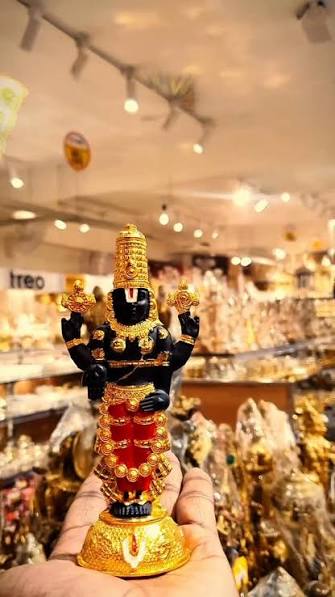
The art, craft, and spiritual décor category has inherent characteristics that protect physical retail from e-commerce disruption more effectively than most consumer goods segments. The purchase of a spiritually significant object — a deity sculpture, a handcrafted ritual item, a culturally rooted décor piece — carries a tactile and evaluative dimension that product photographs do not substitute for. The consumer wants to see the material finish, assess the craftsmanship, and understand the scale and presence of the piece before bringing it into their home. This in-person evaluation imperative is most pronounced at the mid-to-premium price tier where a Sarvalaya Divine franchise operates. Online platforms have expanded consumer awareness of this product category and increased the population of buyers who are looking for quality spiritual and craft retail — which creates demand that a well-located physical store is positioned to capture. The franchise’s physical retail model is complemented rather than threatened by the digital discovery behaviour that sends prepared, high-intent buyers into stores.
Competitive Differentiation: Why Consumers Choose Sarvalaya Divine Private Limited
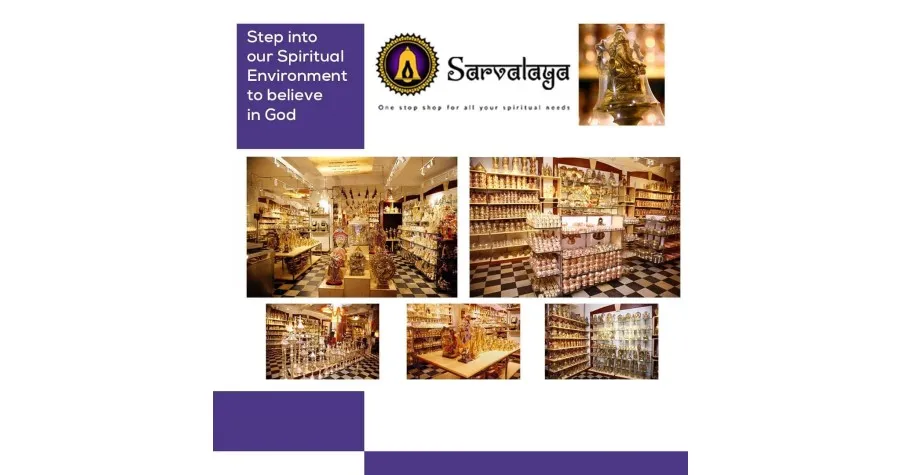
In a market where most spiritual and craft décor retail operates without a verifiable quality credential, Sarvalaya Divine’s specific differentiation is the combination of institutional heritage and curated selection. A consumer who walks into a Sarvalaya Divine store is not evaluating products from an anonymous vendor; they are engaging with a brand that has maintained standards in this category since 1977 — a tenure that communicates something specific about product selection discipline and sourcing relationships that newer entrants cannot claim. The store format, spanning 500 to 2,500 square feet, allows the range to be presented with the space and context that culturally significant objects require — each piece given the display environment that communicates its value rather than being stacked alongside commodity alternatives. For a consumer who has been disappointed by online purchases or unorganised market products that failed to meet expectations, the Sarvalaya Divine franchise offers a reliable alternative anchored by a demonstrable track record.
Who Builds a Profitable Sarvalaya Divine Private Limited Store
The investor profile that builds a strong Sarvalaya Divine Private Limited franchise combines cultural affinity with the product category, active local community engagement, and the capital depth to sustain a 12 to 24 month break-even trajectory without financial pressure forcing operational compromises. Experienced entrepreneurs who bring prior retail or B2C business management experience handle the operational complexity of a multi-SKU format effectively. Family businesses diversifying into lifestyle retail succeed when a working family member with genuine enthusiasm for art, craft, or spiritual culture takes operational ownership of the store. Senior professionals transitioning to business ownership find the brand’s established curatorial framework reduces the product development burden that would otherwise make this category inaccessible to a first-time entrant. What capital alone does not supply is the in-store presence and product knowledge that drives conversion and retention in this category — and the franchisees who treat the store as an active business requiring their genuine engagement, rather than a passive investment requiring only management oversight, consistently build the most defensible local customer base.
How does Sarvalaya Divine Private Limited compare to other retail franchises in this investment range?
In the INR 30 lakh to INR 50 lakh investment tier, Sarvalaya Divine Private Limited is distinguished by its long operating heritage in the spiritual and craft décor category — nearly five decades of market presence that most franchises at this investment level cannot match. The brand franchise fee of INR 25 lakh reflects the value of that heritage and the curatorial infrastructure it represents. The trade-off is the category's low recession resistance, which requires investors to model the investment against conservative revenue assumptions and confirm they have the capital depth to sustain the break-even period before committing.
Is a Sarvalaya Divine Private Limited store viable in Tier 2 and Tier 3 Indian cities?
Tier 2 cities with organised retail infrastructure and a middle-class consumer base represent strong expansion geography for Sarvalaya Divine. The demand for quality spiritual and craft décor exists in these markets; what is typically absent is the organised branded retail to serve it. A Sarvalaya Divine franchise in a well-located Tier 2 mall or high-street position enters a relatively uncompeted segment where the brand's heritage and curation provide immediate differentiation. Tier 3 cities are viable where the commercial environment supports the investment economics — location assessment is essential before committing.
How does Sarvalaya Divine Private Limited handle competition from e-commerce in this product category?
The spiritual and craft décor category has structural advantages over pure e-commerce competition at the mid-to-premium price tier. The tactile, evaluative nature of the purchase decision — consumers want to assess craftsmanship, scale, and material quality in person — limits the substitutability of online purchasing for the consumer segment Sarvalaya Divine serves. Digital platforms extend the brand's discovery reach and attract prepared buyers into physical stores; they are channels that support rather than displace the franchise model in this specific category.
What is Sarvalaya Divine Private Limited's national marketing strategy and how does it benefit franchisees?
The brand's marketing support for franchisees includes the national brand identity, promotional frameworks for festive and seasonal demand peaks, and the curatorial positioning that gives individual stores a coherent consumer narrative to communicate. Local marketing activity — social media content, community outreach, relationships with interior designers and event planners — is the franchisee's operational responsibility and is where the most direct footfall generation occurs. The brand's decades of market presence provides a credibility foundation that makes local marketing more productive than it would be for a newer brand entering the same category.
What is the Sarvalaya Divine Private Limited store expansion plan for the next two years?
Sarvalaya Divine Private Limited's near-term expansion priorities are discussed during the franchise inquiry and onboarding process. As a brand that formalised its franchise model in 2022, the network is in active development, and the expansion conversation is substantive rather than formulaic. Prospective franchisees interested in specific cities or regions should engage with the brand directly to understand territory availability, exclusivity terms, and the support structure being developed for the network's early-stage growth phase.
Disclaimer: All scores, rankings, and estimates on ForeFind are independently produced editorial assessments using publicly available data and validated brand-submitted information. They are not verified facts, financial advice, or investment recommendations. Full Disclaimer.
