



Samsonite South Asia Pvt. Ltd Franchise: Store Operations, Daily Management and What Owning This Business Looks Like
What Samsonite South Asia Pvt. Ltd Sells and Who Buys It
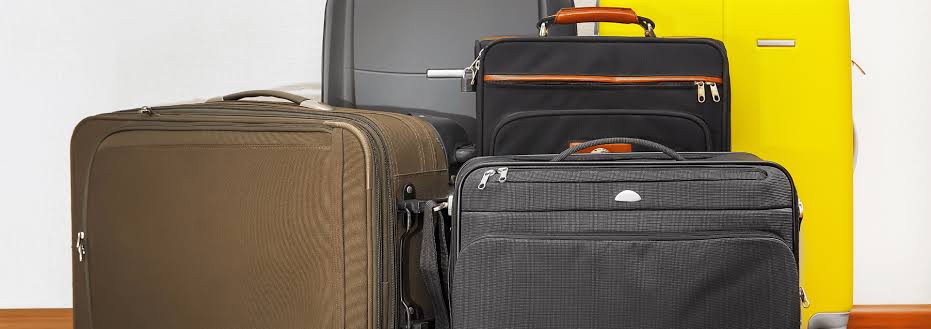
A Samsonite South Asia franchise retails luggage, travel bags, backpacks, and travel accessories across three brand tiers under one roof: Samsonite for premium and mid-range travellers, American Tourister for value-conscious frequent flyers, and Tumi for the luxury segment. This multi-brand architecture within a single store lets the franchisee capture a wide consumer range — from a college student purchasing their first cabin bag to a corporate professional replacing a high-end business trolley — without requiring separate retail formats for each price point.
Repeat purchase in this category is driven by a combination of lifestyle milestones and product lifecycle. A customer who buys a cabin bag for their first international trip returns two to three years later for a full luggage set, then again for a corporate backpack, then for a gifting occasion. The gifting dimension is particularly commercially significant — Samsonite and American Tourister products are among the most recognizable corporate and personal gifts in urban India, which means the store sees demand spikes tied to Diwali, weddings, year-end corporate gifting cycles, and graduation season that are predictable and plannable.
What Happens in a Samsonite South Asia Pvt. Ltd Store Every Day
The daily rhythm of a Samsonite franchise begins with floor preparation before the first customer enters. Opening involves checking display alignment — Samsonite’s visual merchandising standards are specific about product placement and tag visibility — verifying stock levels against the previous day’s sales, and ensuring the POS system is functioning correctly. For a 400 to 500 square foot store with two to four staff, the opening team typically consists of one senior staff member and one floor associate, with the franchisee present or reachable for decision-making on markdowns, inventory queries, or customer escalations.
During the trading day, the primary staff activity is customer engagement — luggage retail requires demonstration. A customer evaluating a four-wheel spinner wants to extend handles, feel the handle grip, assess compartment access, and weigh the bag if possible. Staff who conduct this demonstration confidently convert at significantly higher rates than those who point to the product and step back. Floor management — ensuring no customer waits more than two minutes for engagement — is the operational metric that most directly determines daily conversion. POS reconciliation at closing confirms daily revenue, updates inventory counts, and identifies which SKUs have reached reorder thresholds for the franchisee’s next procurement cycle.
Merchandise Planning, Display and Visual Standards
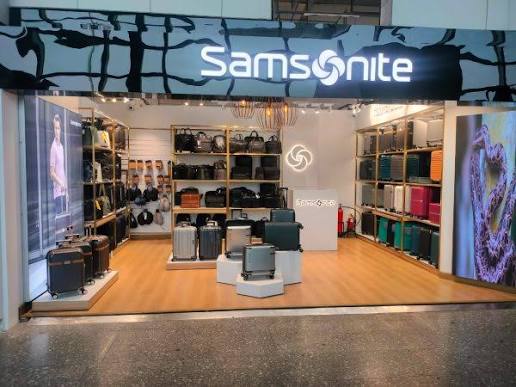
Samsonite’s visual merchandising standards are among the more prescriptive in Indian retail franchising — reflecting the brand’s global consistency requirements across its retail network. The franchise provides franchisees with planograms defining which products occupy which display positions, how colour blocking should be organized across the floor, and where promotional items should be placed relative to core range products. This standardization is commercially functional: a consumer who enters a Samsonite store in Bengaluru and then visits one in Lucknow encounters a comparable layout, reinforcing the brand familiarity that drives confident purchase decisions.
New product ranges arrive seasonally, aligned with Samsonite’s international product calendar. The franchisee’s responsibility is to rotate displays promptly when new product arrives — keeping current collections front-facing and moving older stock to less prominent positions or into structured promotions before they sit long enough to require markdown. Slow-moving inventory is a working capital cost that compounds over time, and franchisees who address it through timely price adjustment or bundling early consistently maintain healthier inventory positions than those who wait for the franchisor to initiate clearance activity.
Staff Requirements and the Hiring Reality
Two to six staff for a 400 to 500 square foot Samsonite store sounds manageable until a franchisee in a Tier 2 city discovers that candidates with branded retail experience are genuinely scarce. The practical solution is to hire for communication quality and product curiosity rather than luggage category experience specifically. A staff member who can explain the difference between polycarbonate and polyester shells, articulate why a four-wheel spinner handles airport floors differently from a two-wheel trolley, and connect the product’s feature to the customer’s travel pattern is more valuable than one who knows the product range passively but cannot sell it actively.
Samsonite provides retail operations training as part of the franchise offering, which means incoming staff can be developed toward the brand’s service standard rather than arriving with it pre-formed. The franchisee’s practical retention strategy typically involves schedule predictability, performance recognition for staff who exceed daily conversion targets, and opportunities for senior staff to take on opening-shift leadership responsibilities — investments in engagement that reduce the turnover cost that erodes store performance when training effort walks out the door.
Supply Chain, Reordering and Inventory Management
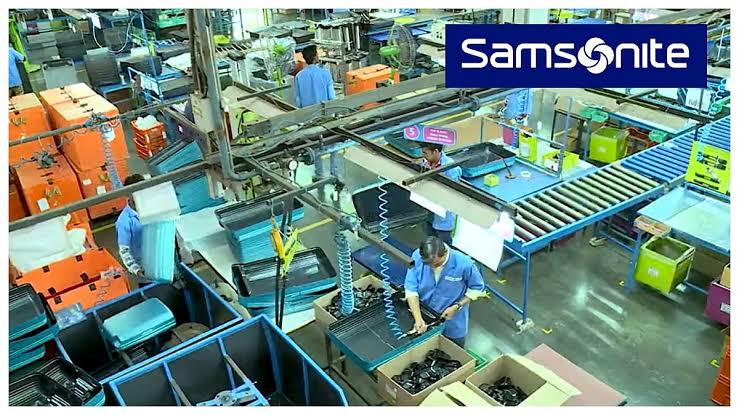
Samsonite South Asia operates a centralized supply chain that franchisees access for product procurement. Orders are placed through the brand’s system, and lead times vary by product category and stock availability at the distribution level. For a 400 to 500 square foot store, the inventory management challenge is depth versus breadth: carrying enough units in the bestselling sizes and colours to avoid stockouts during peak periods, while not committing disproportionate working capital to every style in the full range.
The most commercially critical inventory discipline is understanding the store’s specific sales pattern within the first six months — which bag categories sell fastest, which size tiers move during festive gifting versus individual travel purchase occasions, and which American Tourister colours turn better than the Samsonite equivalents at each price point. This market-specific data, accumulated through consistent POS tracking, allows the franchisee to calibrate reorder decisions to actual local demand rather than the general range-wide inventory model. Franchisees who develop this calibration early sustain better sell-through rates and lower markdown requirements than those who reorder by category intuition.
Brand Support: Marketing, Promotions and National Campaigns
Samsonite runs national advertising campaigns — digital, print, and out-of-home — that drive consumer awareness and brand recall across India at a scale that individual franchisees could not fund independently. These campaigns benefit the franchise store directly by creating intent among consumers who then seek out the nearest Samsonite retail point. The franchisee’s marketing contribution is local activation: ensuring the store participates in mall promotional events, maintaining social media presence tied to the store’s specific location, and executing the in-store promotions that the brand’s seasonal campaign calendar specifies.
Festive season campaigns — Diwali, Christmas, and pre-summer travel periods — are where the brand’s national marketing investment and the franchisee’s local execution intersect most visibly. The franchisee who prepares the store’s inventory and staff for the volume that national advertising will drive, rather than reacting to demand once it arrives, captures a materially larger share of the seasonal revenue opportunity than one whose shelves are poorly stocked or whose staff is stretched during peak traffic days.
Who Runs a Samsonite South Asia Pvt. Ltd Store Successfully
The Samsonite South Asia franchise rewards franchisees who are personally present during the business’s most commercially important hours — weekend afternoons, festive evenings, and the peak gifting weeks of the year — understand the subtle differences between their local consumer’s preferences and the general brand profile, and treat merchandise refresh and floor standards as weekly operational commitments rather than periodic activities. Investors who delegate all store management from day one consistently struggle because the product knowledge, customer rapport, and merchandising judgment that drive luggage retail performance require the franchisee’s direct engagement during the store’s formative months to transfer to the team effectively.
What space is required for a Samsonite South Asia Pvt. Ltd franchise store?
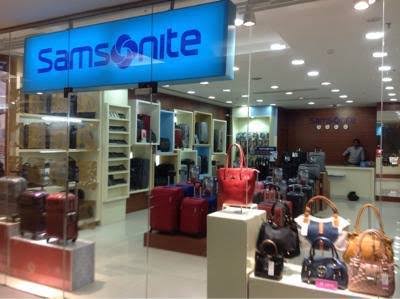
A Samsonite South Asia franchise requires 400 to 500 square feet of retail space, suited to premium mall inline units, high-street retail locations, and airport retail zones. This footprint is sufficient to display the full core range across Samsonite, American Tourister, and Tumi tiers without requiring a large-format store. The brand provides site selection support and visual merchandising guidance to ensure the chosen space meets the display requirements the brand's planogram standards specify.
How long does the setup process take for a Samsonite South Asia Pvt. Ltd store?
Store setup for a Samsonite franchise typically takes six to ten weeks from confirmed site and agreement execution, covering fitout to brand standards, fixture installation, initial inventory stocking, and staff training. Franchisees who complete regulatory requirements — Trade License and GST registration — in parallel with physical setup rather than sequentially reduce the time to opening materially. The brand's in-store display support and operations training are deployed during this period to ensure the store opens at the visual and service standard the network maintains.
What product training and retail operations training does Samsonite South Asia Pvt. Ltd provide?
Training covers the full product range across Samsonite, American Tourister, and Tumi — materials, features, product differentiation by price tier, and the demonstration techniques that drive conversion in luggage retail. Retail operations training addresses visual merchandising standards, POS procedures, inventory management, customer service protocols, and the brand's performance expectations for staff behavior and floor engagement. Training is provided for the franchisee and their initial team before opening, with product knowledge updates delivered when new ranges arrive.
Can a Samsonite South Asia Pvt. Ltd store be run semi-absentee with a store manager in place?
Semi-absentee operation is workable once the store has a trained, trusted manager and the franchisee has built the operational systems and inventory discipline the store needs to function consistently. In the first year, the franchisee's direct presence — particularly on weekends and during festive periods — is what establishes the service standard, the team's product knowledge, and the customer rapport that sustains performance. Franchisees who transition to reduced involvement before these foundations are set typically find that conversion rates and floor standards decline without the corrective engagement they have not yet developed in their manager.
How does Samsonite South Asia Pvt. Ltd support franchisees during festive season demand peaks?
Samsonite runs seasonal campaigns timed to Diwali, Christmas, and the pre-summer travel window that drive increased consumer traffic to stores. The brand provides promotional campaign materials, in-store display guidance for the season, and product allocation frameworks to help franchisees prepare inventory at appropriate depth for expected demand increases. Franchisees who place their pre-festive inventory orders within the brand's recommended procurement window maintain stock availability through the peak period; those who order reactively once demand has already arrived frequently encounter supply constraints that limit their seasonal revenue capture.
Disclaimer: All scores, rankings, and estimates on ForeFind are independently produced editorial assessments using publicly available data and validated brand-submitted information. They are not verified facts, financial advice, or investment recommendations. Full Disclaimer.
