



Ribbons & Balloons Franchise: Investment, Returns and Profit Model in India
About Ribbons & Balloons
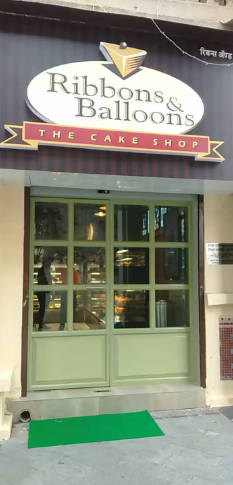
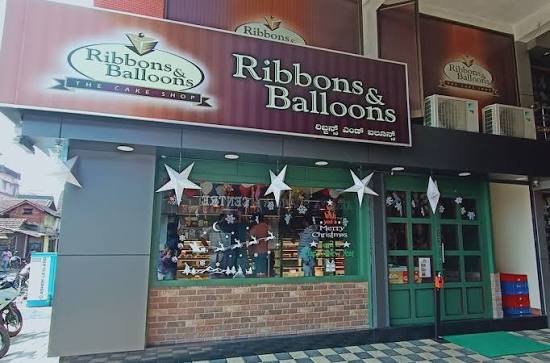
Ribbons & Balloons franchise operates a cake and bakery retail chain with commercial roots dating to 1954 and formal franchising active since 2005. The brand serves families and individual consumers from a compact 200 to 300 square foot retail format on high streets and residential commercial locations, focusing on celebration cakes, pastries, and bakery products for occasion purchases and daily consumption. With 100 to 200 active locations and an average of 6.8 new units added per year across 22 years of franchising, the network is one of the longer-established organized bakery franchise systems in India. The specific fact worth noting before any financial analysis is the 70-year brand history from 1954: a bakery that has operated commercially for seven decades, through India’s complete post-independence economic transformation, has built consumer recognition and product credibility that no newer brand can claim equivalently. The ₹1.5 lakh franchise fee on a ₹10 to 20 lakh total investment is among the lowest fee-to-investment ratios in the Indian bakery franchise category at this scale.
The Revenue Model in Practice
Revenue at a Ribbons & Balloons outlet flows through walk-in retail purchases, pre-order collection for custom and occasion cakes, and delivery platform orders. The celebration cake category — which the brand’s name identity signals directly — means a meaningful share of transactions are pre-booked rather than spontaneous: a birthday cake ordered two days in advance, a wedding anniversary cake confirmed over the phone. This advance-order visibility is operationally valuable because it allows production scheduling and ingredient management with some predictability, rather than requiring the kitchen to respond entirely to real-time demand. Walk-in sales of daily bakery items — pastries, smaller cakes, individual items — generate the base revenue floor that sustains the outlet between peak occasion order periods. The franchisee controls local customer acquisition, corporate and institutional gifting development, and daily operational quality; the brand system determines product standards and the franchise terms structure.
Understanding the Investment: What INR 10 Lac – 20 Lac Actually Buys
The total investment at this level covers the ₹1.5 lakh brand fee, store fitout for 200 to 300 square feet, bakery production equipment and display infrastructure, opening ingredient and packaging inventory, FSSAI licensing, training, and working capital for the initial operating months before revenue stabilizes. Within this investment range, the fitout and equipment represent the largest capital items after the brand fee — the display refrigeration, production equipment, and interior to brand standard constitute the majority of the physical investment. The compact format keeps fitout costs lower than larger-format cake shops while supporting the display and production scope the brand requires.
Monthly cost structure after opening: commercial rent (the largest and most location-variable fixed cost), staff wages for three to ten employees depending on volume, raw material procurement for perishable bakery inputs, FSSAI annual compliance, and delivery platform commissions on aggregator-sourced orders. The franchise does not publish a royalty rate in the standard franchise cost breakdown, which means the specific ongoing fee structure is confirmed during the franchise agreement process — prospective franchisees should clarify this as part of their due diligence before committing capital. The performance guarantee the brand offers to unit franchisees is a noteworthy structural provision; its specific terms and conditions should be confirmed and documented before signing.
Break-Even and Return Timeline
The 9 to 18 month break-even range and the 2 to 3 year capital payback period reflect a bakery franchise where location quality and custom order development are the primary determinants of how quickly the outlet reaches and sustains net positive cash flow. Franchisees who reach 9-month break-even consistently have two things operating from opening week: a location with genuine family and occasion consumer density generating consistent daily walk-in transactions, and an active custom order pipeline for celebrations that converts the brand’s occasion identity into pre-booked high-value revenue. The gifting and occasion purchase motivation that the Ribbons & Balloons name directly evokes is a marketing asset that the franchisee can activate through community events, corporate gifting outreach, and residential society relationship building from the first operating days.
The 18-month trajectory is typically shaped by a location where consumer discovery takes longer, where the custom order pipeline builds slowly, or where early-stage operational inconsistencies produce customer experience gaps that suppress repeat purchase rates during the period when the brand’s local consumer habit is being formed. The performance guarantee provision suggests the franchisor has confidence in its model’s commercial viability — the specific metrics and conditions this guarantee covers are the most important terms for any prospective franchisee to review before investment.
What the Franchisor Provides and What They Do Not
Ribbons & Balloons provides franchisees with the brand identity built over 70 years of bakery operations — a heritage that generates consumer trust in markets where the name is already recognized and provides immediate quality credibility in new markets where the brand’s longevity can be communicated. The franchise system delivers product recipes and standards, training before opening, operational guidance, and the ongoing brand development that the ₹1.5 lakh franchise fee and royalty structure fund. The performance guarantee provision, where it applies to unit franchisees, represents an unusual level of commercial commitment from the franchisor that should be fully understood before the franchise agreement is executed.
The franchisee’s independent responsibilities are the standard local execution functions: lease negotiation and rent management, daily kitchen quality oversight and production discipline, staff recruitment and retention in their specific city, local community and social media marketing, delivery platform account management, FSSAI compliance at the outlet level, and the development of corporate and institutional accounts that supplement individual consumer revenue. The franchisor provides the brand, the system, and the performance commitment; the franchisee provides the market activation.
Financial Risk Factors Specific to This Category
Food spoilage is the most immediate recurring financial risk in a fresh bakery operation — perishable raw materials and unsold finished products represent direct daily losses when production is miscalibrated to actual demand. The custom order and advance booking component of the Ribbons & Balloons model partially mitigates this by giving the kitchen predictable production targets for a share of each day’s output. Delivery platform dependency introduces the standard 25 to 30 percent commission cost on aggregator-sourced orders; developing direct ordering relationships with regular occasion buyers reduces the platform-dependent share of revenue over time. Staff turnover in food retail is persistent across India; the combination of trained baker departure and the quality inconsistency during replacement is the most operationally damaging version of this risk for a brand whose 70-year heritage sets consumer quality expectations. FSSAI compliance is annual and standard for a bakery retail format. Lease renegotiation is the medium-term financial risk that initial lease terms with escalation provisions can address more effectively than open-ended renewal clauses.
Who This Investment Suits and Who It Does Not
The Ribbons & Balloons franchise generates its best financial outcomes for experienced professionals and small retailers who enter the investment with prior experience managing customer-facing retail or food service operations, the financial capacity to sustain the 9 to 18 month break-even period without cash flow pressure, and the commercial instinct to develop occasion gifting and corporate account relationships actively from the first operating week rather than waiting for walk-in demand to mature organically. Investors who deploy capital into this franchise expecting the 70-year brand heritage to generate passive income without active daily operational involvement — managing production quality, building regular customer relationships, and developing the corporate gifting pipeline that lifts monthly revenue above the walk-in floor — consistently underperform against the investment’s commercial potential.

How much does a Ribbons & Balloons franchise cost in India?
The total investment for a Ribbons & Balloons franchise falls within the INR 10 to 20 lakh range, including a brand fee of ₹1.5 lakh — one of the lower franchise fees available in the Indian bakery franchise category at this investment level. The investment covers store fitout for 200 to 300 square feet, bakery production and display equipment, opening inventory, FSSAI licensing, training, and working capital. The specific ongoing royalty structure and the terms of the performance guarantee offered to unit franchisees are confirmed during the franchise agreement process.
What is the expected monthly revenue from a Ribbons & Balloons outlet?
The indicative monthly revenue range is ₹1.3 lakh to ₹6.5 lakh. The lower end reflects early-stage trading or moderate-footfall locations where custom order development is still building; the upper end reflects a mature outlet with consistent daily walk-in volume, an established custom occasion order pipeline, and active corporate and institutional gifting relationships contributing regular revenue above the retail consumer base. The 2 to 3 year capital payback target is achievable for franchisees who consistently operate toward the upper end of this revenue range through active commercial account development.
Does Ribbons & Balloons provide territory exclusivity to franchisees?
Territory exclusivity terms are confirmed during the franchise agreement process. With 100 to 200 active outlets and 6.8 new units added annually, prospective franchisees in active expansion markets should clarify the geographic radius within which the brand will not place a competing outlet, as this directly affects the addressable consumer base the franchisee can develop through local marketing and community relationships.
What licenses are required to open a Ribbons & Balloons franchise?
An FSSAI license is the primary regulatory requirement for a fresh bakery production and retail operation. The appropriate registration category depends on annual production volume and turnover. Local municipal trade licenses and commercial establishment registrations apply in most Indian cities. FSSAI registration should be initiated during the physical setup phase rather than after it to avoid post-construction delays to the opening date. The brand's operational training covers food safety compliance requirements as part of the pre-opening preparation.
Is prior food business experience required to open a Ribbons & Balloons franchise?
Prior food business experience is not a formal requirement. The Ribbons & Balloons training program provides product standards, production procedures, and operational guidance before opening. However, the bakery retail format's daily production requirements, custom order management, and customer relationship demands benefit materially from prior retail or hospitality management experience. Franchisees without food service backgrounds should plan for a more intensive early-stage operational learning period and ensure their working capital reserve can sustain the business through the months before production consistency and customer acquisition reach the levels that drive the format toward break-even.
Disclaimer: All scores, rankings, and estimates on ForeFind are independently produced editorial assessments using publicly available data and validated brand-submitted information. They are not verified facts, financial advice, or investment recommendations. Full Disclaimer.
