



Red Moments Giftings Pvt. Ltd.’s Position in the Indian Retail Landscape
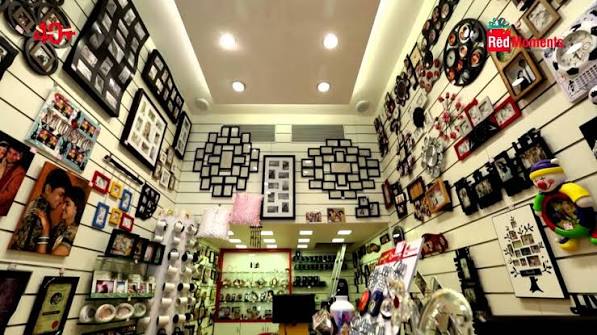
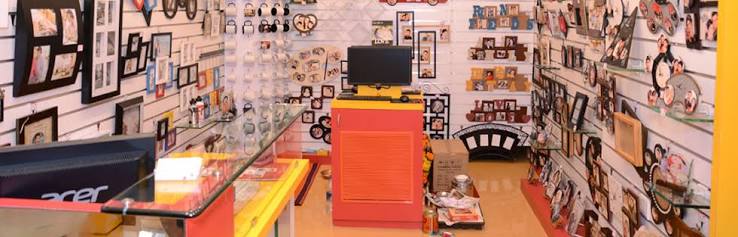
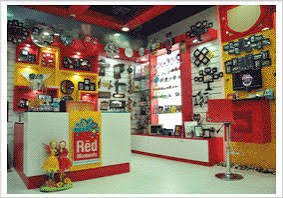
Red Moments Giftings Pvt. Ltd. occupies a specific and defensible corner of Indian retail: the curated, occasion-driven gifting segment that sits between mass-market stationery stores and high-end luxury boutiques. This is not a discount play, nor is it an aspirational luxury format. It is positioned for the urban and semi-urban Indian household that wants to mark birthdays, anniversaries, festivals, and corporate milestones with something that feels chosen rather than grabbed off a shelf. The format itself, typically a compact mall or high-street unit, signals convenience-led discovery rather than destination shopping, which matters because gifting purchases in India are frequently decided close to the occasion date rather than planned weeks in advance.
The brand’s longevity in this space, stretching back to the middle of the twentieth century, places it in a different competitive category than the wave of gifting startups that have emerged in the last decade. Where newer entrants are still building category trust, Red Moments Giftings Pvt. Ltd. is built on decades of consumer familiarity with the act of buying a gift from a recognisable storefront. That familiarity is itself a structural asset in a category where impulse and emotion, not price comparison, drive the purchase decision.
The Consumer Demand Case for This Product Category in India
India’s gifting economy is being reshaped by three overlapping forces. Rising disposable income in Tier 2 and Tier 3 cities is pushing households that once treated gifting as an occasional expense to treat it as a recurring one, tied to an expanding calendar of festivals, school events, weddings, and workplace celebrations. Urbanisation is compressing social circles into apartment complexes and office clusters where gift-giving has become a low-friction way to maintain relationships. And a broader shift away from unbranded, unorganised retail toward branded formats is changing what consumers expect from a gift purchase: consistent quality, predictable pricing, and a store environment that feels intentional rather than incidental.
For a franchisee entering a well-selected city, this means the demand base is not something that needs to be created from scratch. It already exists in the form of generational shopping habits, and the task becomes capturing a larger share of an existing spend pattern rather than convincing consumers that gifting itself is worth the money. Cities with growing IT and services employment, where younger working populations have both income and frequent reasons to gift, tend to show the fastest uptake for this category.
Why a Branded Red Moments Giftings Pvt. Ltd. Store Outperforms Independent Retail in This Category
An independent gift retailer trying to compete on the same footing would need to solve several problems simultaneously: sourcing relationships with multiple vendors across categories like personalised items, greeting cards, and decor pieces, inventory forecasting around seasonal spikes that can be difficult to predict without historical sales data, and visual merchandising that signals trust to a first-time walk-in customer. Each of these takes years to build independently, and mistakes in any one of them show up directly in margin.
A franchise structure compresses that learning curve. Centralised buying gives a franchisee access to product ranges and pricing that would be difficult to negotiate as a standalone store with limited order volumes. Brand recognition reduces the cost of customer acquisition, since a portion of footfall arrives already aware of what the store represents rather than needing to be persuaded at the door. None of this guarantees outcomes on its own, but it removes several of the structural disadvantages that make independent gift retail a slower and riskier path to profitability.
Geographic Opportunity and Where Red Moments Giftings Pvt. Ltd. Is Expanding
With 65 operating stores after decades in the franchising system, the network’s expansion pace has been deliberate rather than aggressive, which is consistent with a category that rewards location precision over rapid saturation. The white space for this kind of format tends to concentrate in Tier 2 cities that have crossed a certain threshold of mall development or organised high-street retail but have not yet seen gifting-specific brands establish a presence. In these markets, a Red Moments Giftings Pvt. Ltd. store can become one of the first organised options in the category, capturing demand before competitors arrive.
Within any city, location formats that combine high footfall with proximity to residential catchments, such as neighbourhood malls or arterial high streets near apartment clusters, tend to outperform purely commercial or office-heavy locations, since gifting purchases are largely driven by personal occasions rather than workplace errands. Territory allocation in this kind of network is generally structured to avoid overlapping catchments between franchisees, which protects unit-level economics as the network grows rather than diluting them.
E-Commerce, Quick Commerce, and the Threat to Physical Retail
Gifting is one of the retail categories that has proven comparatively resistant to full migration online, for reasons rooted in how the purchase actually happens. Many gifting decisions are last-minute, occasion-anxious, and tactile: buyers want to see colour, texture, and packaging quality before committing, especially for items meant to convey sentiment. Quick commerce platforms have made some inroads into generic items like flowers or chocolates, but curated, personalised, or premium gift selections remain difficult to replicate through a delivery app interface.
This does not mean physical retail is insulated from online behaviour entirely. Consumers increasingly research options digitally before buying in person, which makes a brand’s online visibility and social presence relevant even when the transaction itself happens in-store. A franchise that maintains some digital discovery presence alongside its physical footprint is better positioned to capture this research-then-buy pattern than a purely offline independent competitor.
Competitive Differentiation: Why Consumers Choose Red Moments Giftings Pvt. Ltd.
In a category where most competitors look similar from the outside, differentiation tends to come down to curation consistency and trust built over repeat visits. A customer who has previously found a thoughtful, well-made gift at a Red Moments Giftings Pvt. Ltd. store is more likely to return for the next occasion rather than risk an unfamiliar shop. This repeat-trust dynamic compounds over years in a way that newer entrants cannot shortcut, and it is reinforced by a store experience built around helping customers choose rather than simply stocking shelves, which matters in a purchase category where buyers often arrive uncertain about what they actually want.
Who Builds a Profitable Red Moments Giftings Pvt. Ltd. Store
Capital alone does not determine success in this category. The franchisees who perform best tend to combine retail discipline with a genuine read on local taste, understanding which product lines resonate in their specific city or neighbourhood rather than relying solely on a standard assortment. Because the operating model is owner-operated with a small team of two to six staff, the owner’s own involvement in merchandise selection and customer interaction directly shapes how the store performs, far more than it would in a larger-format retail business where the owner is several layers removed from daily operations. An experienced retailer transitioning from an unbranded shop into this franchise model often adapts faster than a first-time entrepreneur, since they already understand local buying patterns and simply need the branded structure layered on top.
Accepting franchise applications in 33 states & UTs
How does Red Moments Giftings Pvt. Ltd. compare to other retail franchises in this investment range?
Within the mid-investment retail bracket, the Red Moments Giftings Pvt. Ltd. franchise stands out for requiring a relatively small physical footprint and lean staffing while operating in a category with low seasonality dependence compared to apparel or electronics, making cash flow somewhat more predictable across the year.
Is a Red Moments Giftings Pvt. Ltd. store viable in Tier 2 and Tier 3 Indian cities?
Yes, and in many cases these cities represent the stronger opportunity, since organised gifting retail has typically lagged Tier 1 metros in penetration, leaving local demand less contested by established branded competitors.
How does Red Moments Giftings Pvt. Ltd. handle competition from e-commerce in this product category?
The category's reliance on physical inspection, occasion urgency, and personalised selection has kept it less exposed to e-commerce displacement than many other retail segments, allowing the in-store format to remain commercially relevant.
What is Red Moments Giftings Pvt. Ltd.'s national marketing strategy and how does it benefit franchisees?
Brand-level marketing concentrates around high-demand occasions across the festival and gifting calendar, giving individual franchisees the benefit of coordinated seasonal visibility that would be costly to fund independently at a single-store level.
What is the Red Moments Giftings Pvt. Ltd. store expansion plan for the next two years?
Given a historical pace of under one new unit per year on average, expansion is expected to remain measured and location-selective, prioritising cities and catchments with demonstrable unmet demand over rapid network growth.
Disclaimer: All scores, rankings, and estimates on ForeFind are independently produced editorial assessments using publicly available data and validated brand-submitted information. They are not verified facts, financial advice, or investment recommendations. Full Disclaimer.
