



Rawaldas Truemart Franchise
1. Brand & Franchise Snapshot
| Brand Name | Rawaldas Truemart |
|---|---|
| Industry | Retail / Supermarket |
| Business Category | Supermarket & FMCG Manufacturing |
| Founded Year | 1977 |
| Franchise Started Year | 2007 |
| Headquarters | Maharashtra, India |
| Total Franchise Outlets | 1–10 |
| Estimated Investment | INR 50 Lakh – 1 Cr |
| Franchise Fee | Not specified; typically covers licensing, branding, and initial support |
| Royalty Fee | Not specified; often a percentage of revenue for operational support |
| Space Requirement | 1,500 – 20,000 sq.ft, depending on store format |
| Staff Requirement | Staff needed for retail operations, food handling, inventory management |
| Expected Payback Period | 3–10 months |
2. Understanding the Brand
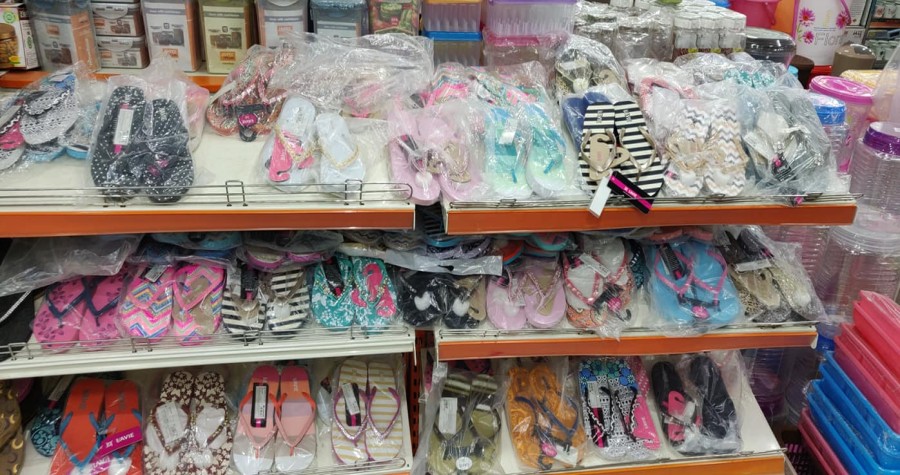
Rawaldas Truemart operates as a supermarket chain offering FMCG products alongside in-house manufactured items, including pulses, spices, henna, and candles. The brand targets families, individual consumers, and local communities seeking quality, packaged, and ready-to-use food and household products. It belongs to the broader supermarket and retail franchise category with vertical integration in manufacturing.
3. Operating Concept
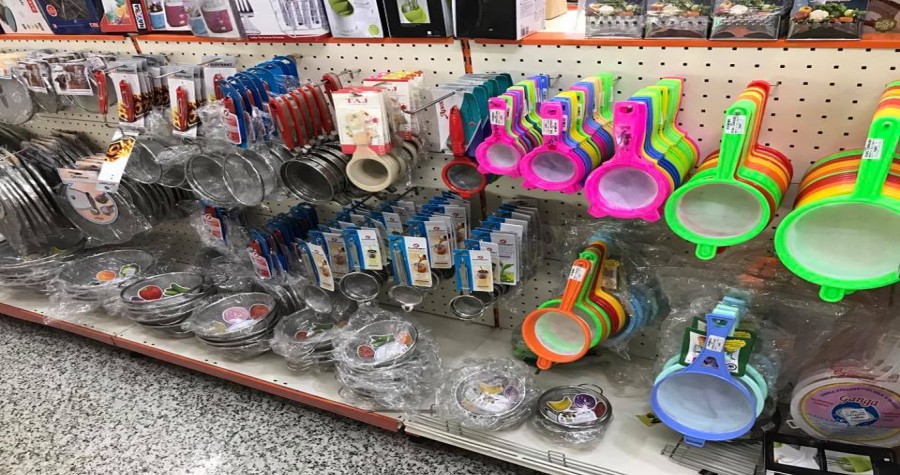
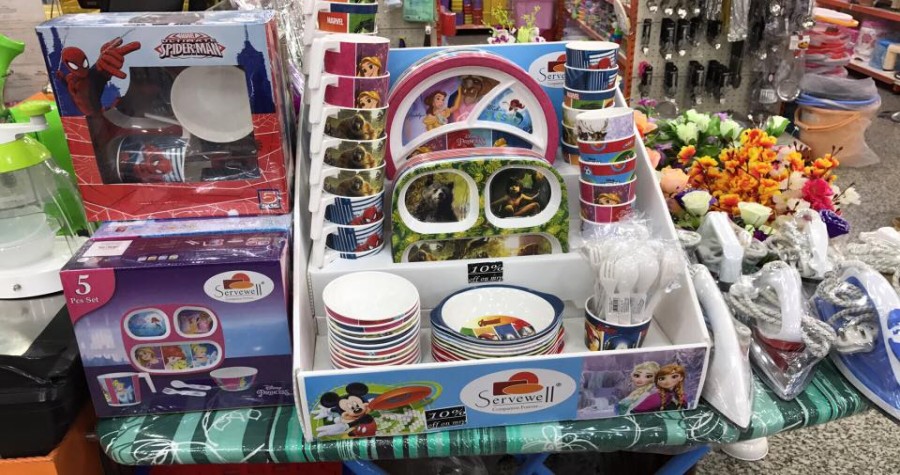
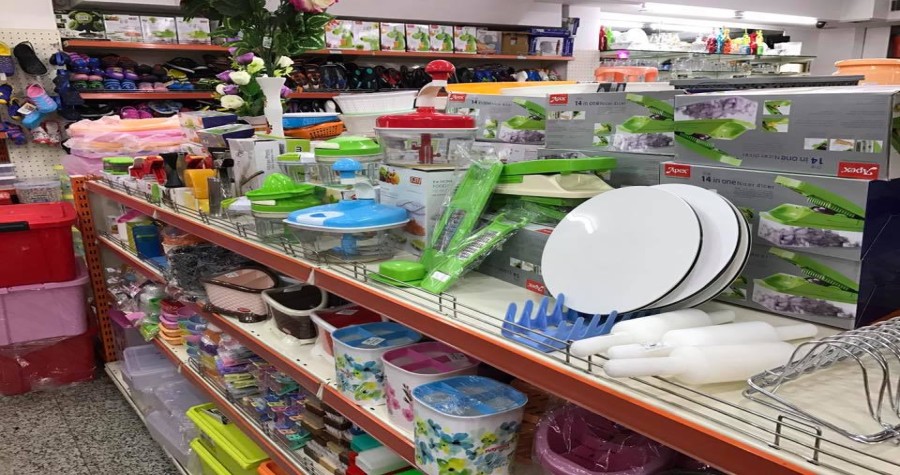
Franchise outlets sell both locally sourced FMCG items and the company’s proprietary products. Day-to-day operations involve stocking retail shelves, maintaining quality control of packaged goods, assisting customers, and managing inventory and billing. Revenue is generated primarily through product sales across bakery, grocery, household, and specialty product categories.
4. Products or Service Categories
| Retail FMCG | Packaged grocery items, household goods, personal care products |
|---|---|
| Manufactured Goods | Pulses, spices, henna, candles |
| Specialty Products | Regional and culturally relevant items for Indian and Middle Eastern markets |
| Services | Retail customer experience and local community outreach |
5. Franchise Partnership Structure
Franchise partners manage the daily retail operations, ensuring consistent product quality and customer service. The franchisor provides guidance on store setup, inventory sourcing, staff training, and marketing strategies. Outlets operate under standardized brand systems to maintain uniform quality and service standards across locations.
6. Investment and Startup Requirements
| Estimated Investment | INR 50 Lakh – 1 Cr, covering store lease, inventory, fixtures, and manufacturing integration |
|---|---|
| Franchise Fee | Not explicitly stated; includes initial brand licensing and operational support |
| Setup Costs | Retail fixtures, point-of-sale systems, storage, refrigeration, and branding materials |
| Royalty Payments | Not specified; may represent ongoing operational support and brand usage |
7. Outlet Setup and Infrastructure
| Space Requirement | 1,500 – 20,000 sq.ft depending on product range and local market |
|---|---|
| Location Preferences | High-footfall urban and suburban markets, proximity to residential communities |
| Equipment Needs | Shelving, refrigeration, packaging equipment for in-house products |
| Staffing Considerations | Sales associates, stock managers, cashier staff, quality control personnel |
8. Franchise Support Systems
Franchisor provides:
- Guidance on store setup and retail layout
- Staff training for operations, inventory management, and customer service
- Marketing support including promotions and branding
- Access to supply chain for both FMCG and proprietary products
9. Revenue Model and Profit Drivers
Revenue is driven by sales of supermarket goods, in-house manufactured products, and specialty items. Customer retention is supported by high-quality products and local community engagement. Operational costs include rent, staffing, utilities, inventory procurement, and product handling. A well-located, full-service store can achieve payback within 3–10 months depending on sales volume.
10. Brand Background and Growth
Rawaldas Truemart was established in 1977 in Maharashtra and has expanded steadily over 42+ years. The franchise system began in 2007, aiming to grow in India and the Middle East. The company integrates retail operations with manufacturing to ensure product quality and brand consistency.
Operational Distinctiveness
Combines supermarket retail with proprietary product manufacturing, enabling multiple revenue streams and local brand loyalty.
Advantages of the Franchise
- Integrated retail and manufacturing model
- Diverse product portfolio across FMCG and specialty goods
- Established customer base with regional recognition
- Structured franchise support system
- Scalable store formats for urban and suburban markets
11. Who Should Consider This Franchise
- Entrepreneurs seeking high-potential retail and FMCG investment
- Experienced retail operators looking for an integrated manufacturing-retail model
- Investors targeting both domestic and international expansion
- Community-focused small business operators interested in diversified product lines
13. Similar Franchise Opportunities
- Reliance Fresh – Supermarket chain with FMCG offerings and franchise options
- D-Mart Ready-to-Use Outlets – Retail supermarket model with private label products
- Spencer’s Retail – FMCG and specialty product retail with regional presence
- Big Bazaar Franchise – Full-scale retail chain with integrated product lines
Rawaldas Truemart offers a comprehensive supermarket and FMCG franchise opportunity with low-risk expansion potential, diverse product offerings, and integrated manufacturing support.
Accepting franchise applications in 35 states & UTs
What investment is required for Rawaldas Truemart franchise?
Estimated investment ranges from INR 50 Lakh to 1 Crore, covering retail setup, initial inventory, and in-house product integration for a full-scale supermarket outlet.
How does the Rawaldas Truemart franchise operate?
Franchisees manage supermarket operations, retailing both proprietary and third-party products. Responsibilities include inventory management, customer service, staff supervision, and sales tracking with franchisor guidance on marketing and operations.
What space is required to start the franchise?
Store formats require 1,500–20,000 sq.ft depending on product mix, location, and intended customer capacity.
How long does it take to recover the investment?
Payback period typically ranges from 3 to 10 months, depending on store size, location, and sales performance.
How can investors apply for the franchise?
Interested entrepreneurs submit a franchise application and collaborate with Rawaldas Truemart’s support team for site selection, training, and operational guidance. ## 13. Similar Franchise Opportunities
Disclaimer: All scores, rankings, and estimates on ForeFind are independently produced editorial assessments using publicly available data and validated brand-submitted information. They are not verified facts, financial advice, or investment recommendations. Full Disclaimer.
