



QNET India Franchise: Market Position, Consumer Demand and Competitive Advantage in Indian Retail
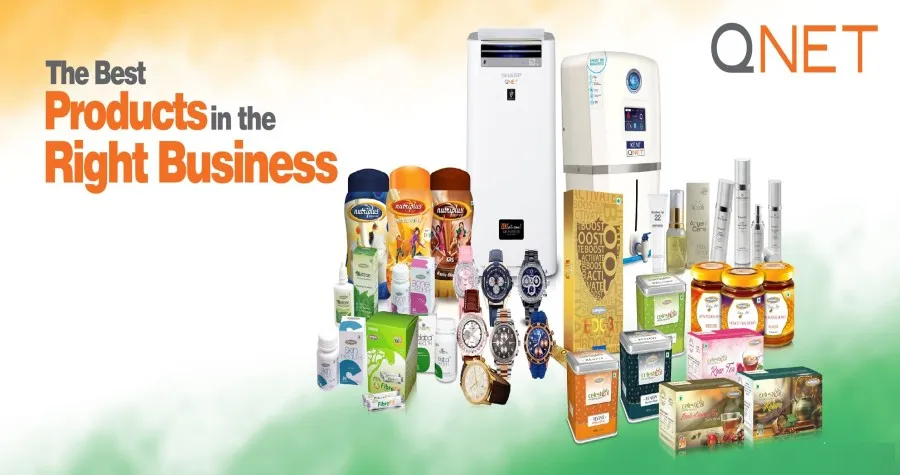
QNET India operates as a direct selling and independent distribution franchise for a range of lifestyle products spanning nutritional supplements, personal care, home care, wellness, energy products, and vacation packages. The brand is part of the QNET international direct selling network, which has been operating since 1998 across more than twenty-five countries. With a network of ten thousand independent distributor franchisees in India and sixteen years of local operation, this is one of the most widely distributed direct selling franchises in the country. For an investor evaluating this brand against the Indian retail category, the relevant assessment is about the direct selling model’s specific economics, regulatory context, and the realistic profile of who builds sustainable income through it.
QNET India’s Position in the Indian Retail Landscape
QNET India sits in the direct selling segment of Indian retail — a model where independent distributors sell products directly to consumers through personal networks and online channels rather than through fixed physical stores. The product categories are lifestyle-oriented: health supplements, personal care products, home care solutions, and wellness items targeted at urban and semi-urban consumers who prioritise quality-branded alternatives to mass-market products. The business model is structured around distributor commissions earned through personal product purchases, direct sales to retail customers, and the introduction of new distributors to the network. The consumer trend this model is built to serve is the growing Indian appetite for premium wellness and lifestyle products among the middle class — a trend that has been consistent and well-documented across the past decade.
The Consumer Demand Case for This Product Category in India
India’s health, wellness, and personal care market has grown consistently, driven by rising middle-class incomes, increasing health awareness post-2020, and a willingness among urban and Tier 2 consumers to spend more on quality-branded personal care and supplement products than was common a decade ago. The shift from unorganised or commodity personal care retail toward branded alternatives is a structural market movement, not a temporary trend. For a distributor operating in any Indian city, the addressable consumer is the household that is already spending on branded personal care, supplement, or wellness products and is open to discovering specific product lines through personal recommendation — a purchasing behaviour that direct selling is specifically designed to capture.
Why a Branded QNET India Store Outperforms Independent Retail in This Category
An independent retailer attempting to sell lifestyle products without brand backing faces the consumer trust problem that all unbranded wellness products encounter: the buyer has no external reference for quality. QNET’s global presence across twenty-five countries and its research-backed product development provide the quality assurance signals that an independent cannot replicate at comparable cost. The company’s ecommerce platform, business tools, and training infrastructure are provided to distributors — an investment in operational capability that an independent would need to build or purchase independently. The commission structure also provides an income pathway that an independent retail margin structure does not: distributors earn on their network’s activity, not just on their own sales, which is the economic mechanism that drives the network’s scale.
Geographic Opportunity and Where QNET India Is Expanding
With ten thousand active distributors across India, the geographic footprint is already substantial. The relevant expansion question for a new distributor is not about city availability — the network operates in virtually all Indian cities — but about which specific communities and consumer segments within a city remain underserved by existing distributors. The model does not allocate exclusive territories in the conventional franchise sense; instead, each distributor builds their own customer and distributor network within their social and professional sphere. New distributors in any geography can find their market among consumers who have not yet encountered the brand through existing distributor networks, particularly in Tier 2 and Tier 3 cities where direct selling penetration relative to the consumer base remains lower than in metros.
E-Commerce, Quick Commerce, and the Threat to Physical Retail
QNET India’s model is natively digital — the company’s ecommerce platform is the primary transaction mechanism, and distributors operate without requiring physical retail space. This means the conventional threat that online competition poses to physical retail does not apply in the same way: QNET’s distribution model uses online infrastructure as a feature rather than facing it as a competitive pressure. The relevant competitive dynamic is different: as online discovery platforms and consumer comparison tools have matured, direct selling products face more informed consumer scrutiny about pricing relative to alternatives. Distributors who can articulate the specific quality differentiators of the products they represent — rather than relying on the network relationship alone — sustain better retail customer relationships in an environment where information is abundant.
Competitive Differentiation: Why Consumers Choose QNET India
QNET’s product differentiation is built on the research and development investment behind its product formulations and the exclusivity of its product lines — products that are not available through general retail channels. A consumer who wants a specific QNET nutritional supplement or personal care product cannot purchase it from Amazon or a pharmacy; they must go through a QNET distributor. This channel exclusivity is what sustains the direct selling model’s commercial rationale for the consumer: the product is differentiated in formulation and not available elsewhere. For distributors, this exclusivity is also what protects their customer relationships — a consumer who prefers a QNET product must return to a QNET distributor to reorder it, creating the repeat purchase dynamic that underlies the income model’s recurring revenue potential.
Who Builds a Profitable QNET India Store
The distributor who builds a sustainable QNET India income is one who approaches the business as a genuine sales and network-building enterprise rather than a passive investment. The income structure rewards direct customer acquisition and team building in proportion to the effort invested — which means the distributor’s personal credibility, communication skills, and willingness to have conversations about the products with their network are the primary determinants of their commercial success. Digital entrepreneurs who are comfortable with social selling, online community management, and one-to-one follow-up build QNET businesses faster than those who prefer passive or product-push selling approaches. Capital alone does not build a QNET income: the investment opens the door, but the relationship-building work that follows is what generates the retail and network commissions that constitute the actual revenue.
Accepting franchise applications in 5 states & UTs

How does QNET India compare to other retail franchises in this investment range?
At the INR 2 Lac to 5 Lac investment tier, most retail franchises require physical premises, fixed-location operations, and inventory management. QNET's model requires none of these — it is home-based, location-independent, and operates through an ecommerce platform. The trade-off is that income is directly proportional to personal selling and network-building effort rather than fixed by location footfall. Investors who want a more passive, premises-based retail operation may find conventional franchise formats a better fit; those comfortable with active network-building and digital selling may find the QNET model's income ceiling higher than fixed-location retail at the same investment level.
Is a QNET India store viable in Tier 2 and Tier 3 Indian cities?
The model's location independence means viability is determined by the distributor's personal network quality rather than city size. Tier 2 and Tier 3 cities with growing middle-class populations and rising health and lifestyle awareness have provided effective environments for QNET distributors, because the consumer appetite for quality wellness and personal care products exists but the market is less saturated with existing distributors than in major metros. A distributor with strong personal and professional community connections in any Tier 2 city can build a viable distribution network from that base.
How does QNET India handle competition from e-commerce in this product category?
QNET products are distributed exclusively through the QNET distributor network rather than through general e-commerce platforms, which means the products are not subject to the same price comparison pressure that general retail products face on Amazon or Flipkart. The company's own ecommerce platform provides the transaction infrastructure for distributor-to-customer sales. The competitive dynamic is therefore less about online versus offline and more about the distributor's ability to introduce the brand and its specific products to consumers who have not yet encountered them through the existing network.
What is QNET India's national marketing strategy and how does it benefit franchisees?
QNET's marketing investment operates at the global and national brand level, supporting brand credibility and product quality communication through its international presence in twenty-five-plus countries. Distributors benefit from the established brand reputation when introducing products to new customers, and from access to the company's business tools and training resources that support their individual sales and network-building activity. Local marketing — reaching consumers in a distributor's specific community or city — is the distributor's direct responsibility and is where the personal relationship and social selling skills that drive network growth are most important.
What is the QNET India store expansion plan for the next two years?
QNET India's expansion is driven by distributor recruitment rather than by location-based store opening, which means the network can expand in any geography where a new distributor is appointed without the capital investment and lead time of physical store expansion. The company's plans for continuing distributor recruitment and product portfolio development in India are shared through the distributor onboarding process. Potential distributors should assess the current density of existing distributors in their target geography and evaluate whether sufficient addressable consumer base exists in their network to build a viable distribution business before committing.
Disclaimer: All scores, rankings, and estimates on ForeFind are independently produced editorial assessments using publicly available data and validated brand-submitted information. They are not verified facts, financial advice, or investment recommendations. Full Disclaimer.
