


Om Sweets Franchise
1. Brand & Franchise Snapshot
| Brand Name | Om Sweets |
|---|---|
| Industry | Food & Beverage |
| Business Category | Sweets, Snacks & Casual Dining |
| Founded Year | 1950 |
| Franchise Started | 2018 |
| Total Franchise Outlets | 10–20 |
| Estimated Investment | INR 30–50 Lakhs |
| Franchise Fee | INR 20,00,000 |
| Royalty Fee | 1% of revenue |
| Space Requirement | Around 2,000 sq. ft. |
| Staff Requirement | Typically includes kitchen staff, service team, and store management personnel |
| Expected Payback Period | 1–3 Months |
Understanding the Brand
Om Sweets operates in the Indian food retail and quick-service dining segment, specializing in traditional sweets, snacks, bakery items, and ready-to-eat meals. The business caters to daily consumers as well as occasion-based demand such as festivals, gifting, and family gatherings.
It falls under the broader category of sweets and snacks franchise models, often positioned between retail confectionery outlets and casual dining formats.
2. Operating Concept
The outlet functions as a hybrid model combining retail counters and dine-in service.
Customers typically engage with the business in multiple ways—purchasing packaged sweets, ordering freshly prepared snacks, or dining in. The operational flow integrates production, display, and service:
- In-house preparation of sweets and snacks
- Front counter sales for takeaway items
- Seating arrangements for dine-in customers
- Continuous replenishment of display inventory
Revenue is generated through high-frequency retail sales and meal-based transactions.
3. Products or Service Categories
Franchise outlets offer a diversified product mix:
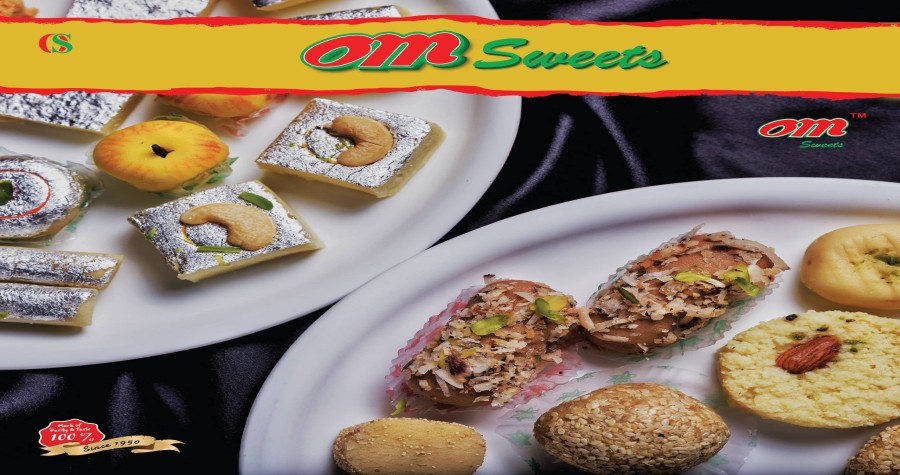
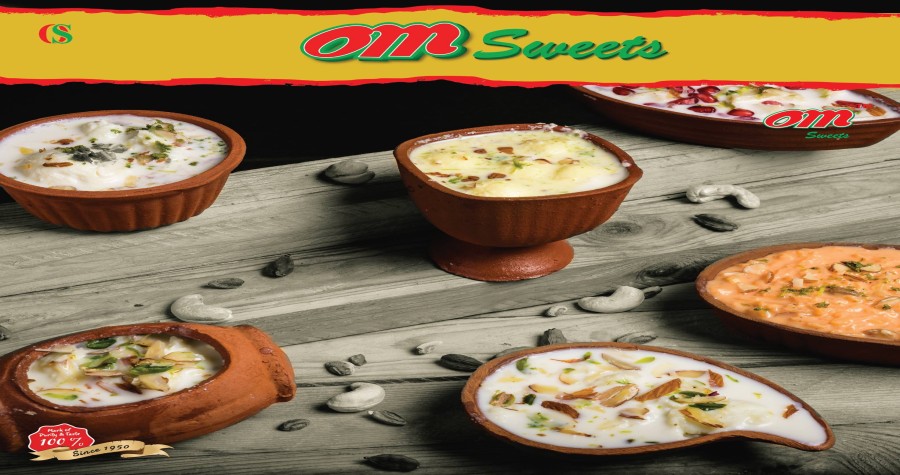
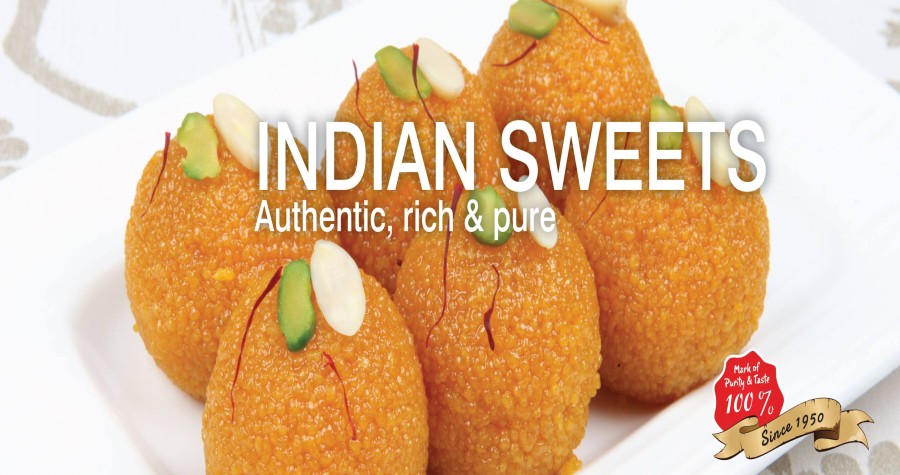
| Indian Sweets | Traditional items such as barfi, peda, rasgulla, and kaju-based sweets |
|---|---|
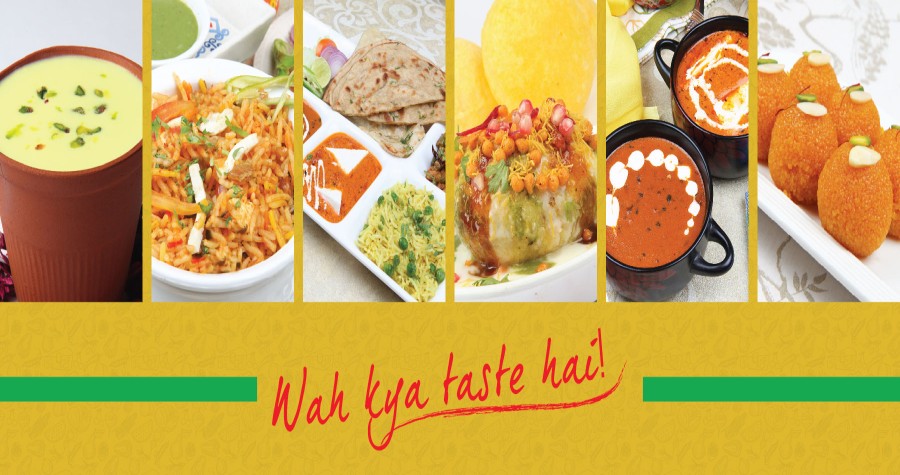
| Savory Snacks | Samosa, kachori, chaat varieties, and fried snacks |
| Bakery Products | Cakes, pastries, cookies, muffins, and breads |
| Prepared Meals | North Indian and South Indian dishes |
| Beverages | Tea, coffee, and other non-alcoholic drinks |
This variety allows the outlet to cater to both impulse purchases and planned dining.
4. Franchise Partnership Structure
The franchise model is structured for full operational ownership at the outlet level.
Key elements include:
- Franchise partners operate the store under the brand’s established identity
- The franchisor provides product standards, recipes, and branding guidelines
- Franchisees manage staff, daily operations, and customer service
- Quality and consistency are maintained through defined preparation processes
The model relies on standardized production combined with localized execution.
5. Investment and Startup Costs
Setting up the franchise involves investment across several components.
| Initial Investment | Covers interiors, kitchen setup, and equipment |
|---|---|
| Franchise Fee | One-time cost for brand rights and onboarding |
| Working Capital | Inventory, staffing, and operational expenses |
| Royalty | A small percentage of sales paid to the franchisor |
The financial structure reflects a mid-sized food retail and dining format with in-house production capabilities.
6. Outlet Setup Requirements
The outlet requires a moderately large commercial space.
Key setup considerations
| Area | Approximately 2,000 sq. ft. |
|---|---|
| Location | High-footfall areas such as markets, main roads, or residential hubs |
| Infrastructure | — |
- Sweet production kitchen
- Display counters for retail
- Dining area with seating
- Staffing:
- Skilled halwais (sweet makers)
- Kitchen assistants
- Counter and service staff
The combination of production and retail space is essential for this model.
7. Franchise Support Systems
Franchisees receive operational and product-level support.
Support typically includes:
| Recipe Standardization | Defined methods for product preparation |
|---|---|
| Training Programs | Guidance for kitchen operations and service |
| Branding Support | Store design and product presentation standards |
| Supply Chain Guidance | Assistance with sourcing key ingredients |
| Ongoing Assistance | Operational monitoring and process alignment |
These systems help maintain uniformity across outlets.
8. Revenue Model and Profit Drivers
Revenue comes from both retail and dine-in sales.
Key drivers include
| High Demand Cycles | Festivals, weddings, and celebrations |
|---|---|
| Daily Consumption | Regular purchase of snacks and sweets |
| Product Variety | Cross-selling across sweets, snacks, and meals |
| Repeat Customers | Driven by consistent taste and accessibility |
Cost considerations include raw materials, labor, rent, and utilities.
The stated payback period indicates rapid recovery potential under strong sales conditions, though performance depends on location and operational efficiency.
9. Brand Background and Expansion
The brand dates back to 1950, indicating a long operational history in the sweets and food segment. Franchising began in 2018, marking a shift toward structured expansion.
The current network size reflects early-stage scaling through franchise partnerships, with presence concentrated in select regions.
Future growth is likely to focus on expanding retail footprints and strengthening brand visibility across urban markets.
10. What Makes This Franchise Different
This model combines traditional sweet manufacturing with a multi-category food offering under one roof. Unlike single-product sweet shops, it integrates snacks, bakery, and meal services, creating multiple revenue streams within a single outlet.
The in-house production approach also differentiates it from purely retail-based formats.
Advantages of the Franchise
- Consistent demand for sweets across seasons and occasions
- Multiple revenue streams within one outlet
- Scalable format across urban and semi-urban areas
- Strong repeat purchase behavior
- Structured operational systems for production and sales
11. Who Should Consider This Franchise
This opportunity may suit:
- Entrepreneurs entering the food and beverage sector
- Existing sweet shop owners looking to expand under a brand
- Investors interested in retail food businesses
- Operators with experience in hospitality or food production
It is particularly relevant for those comfortable managing kitchen operations and staff.
13. Similar Franchise Opportunities
Investors evaluating this segment may also consider:
- Haldiram’s
- Bikanervala
- Giani’s
- Kailash Parbat
- Monginis
These brands operate in the sweets, snacks, and quick-service dining category, offering comparable franchise investment and operational models.
What investment is required for Om Sweets franchise?
The investment typically falls within the INR 30–50 lakh range. This includes store setup, kitchen equipment, interiors, and initial working capital. The franchise fee is an additional component required to secure brand rights and onboarding support.
How does the Om Sweets franchise operate?
The outlet operates as a combination of retail and dine-in space. Customers can purchase packaged sweets, order snacks, or dine in. The business relies on in-house production and continuous sales through both takeaway and on-premise consumption.
What space is required to start the franchise?
An area of around 2,000 square feet is typically required. This space is used for kitchen operations, display counters, storage, and customer seating, enabling both production and service under one roof.
How long does it take to recover the investment?
The expected payback period is relatively short, estimated at a few months under high sales conditions. Actual recovery timelines depend on location, customer footfall, pricing strategy, and operational efficiency.
How can investors apply for the franchise?
The application process usually involves contacting the brand’s franchise team, submitting business details, and discussing location and investment capacity. After evaluation, selected applicants proceed with agreement signing and outlet setup. ## 13. Similar Franchise Opportunities
Disclaimer: All scores, rankings, and estimates on ForeFind are independently produced editorial assessments using publicly available data and validated brand-submitted information. They are not verified facts, financial advice, or investment recommendations. Full Disclaimer.
