



About the brand
National Institute Of Fire Safety Engineering Franchise
Brand & Franchise Snapshot
| Brand Name | National Institute Of Fire Safety Engineering (NIFSE) |
|---|---|
| Industry / Business Category | Education / Online Education |
| Founded Year | 2008 |
| Franchise Started | 2010 |
| Total Franchise Outlets | 1–10 |
| Estimated Investment | INR 2–5 Lakh |
| Franchise Fee | INR 50,000 (includes brand access, curriculum, and operational support) |
| Royalty Fee | 50% of revenue (recurring fee for brand use and ongoing support) |
| Space Requirement | 1,000–2,250 sq.ft |
| Staff Requirement | Trainers, administrative staff, and operational support based on outlet size |
| Expected Payback Period | Not specified; typically depends on student enrollment and course demand |
1. What is National Institute Of Fire Safety Engineering?
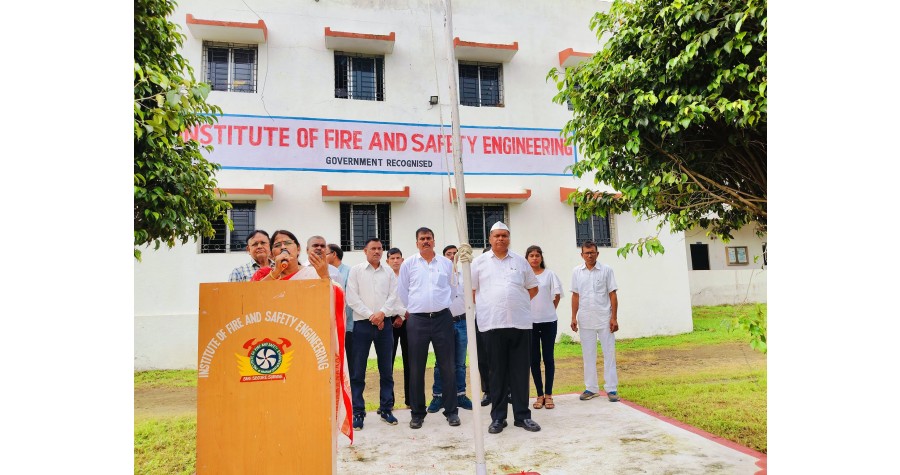
National Institute Of Fire Safety Engineering provides specialized education in fire safety, industrial safety, emergency management, and workplace health. Operating in the education and online training sector, it targets students and professionals seeking skills for careers in fire safety, industrial risk management, and disaster response. The brand falls under the broader vocational and professional safety training franchise category.
2. Operating Concept
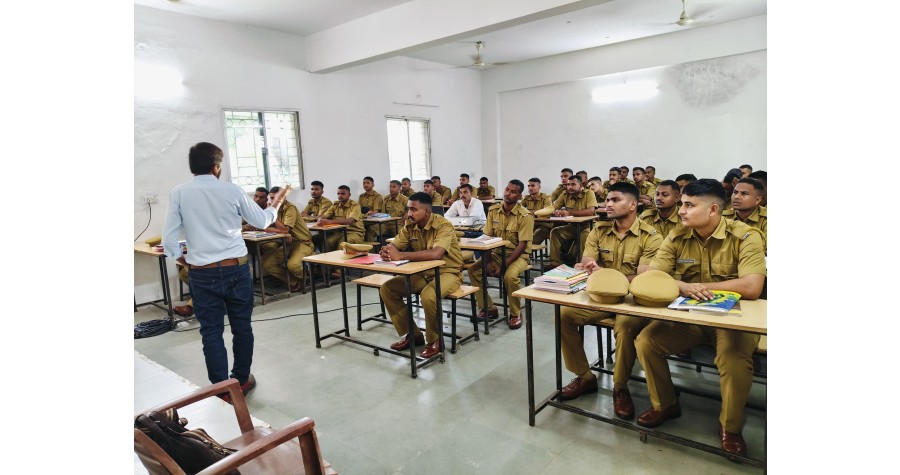
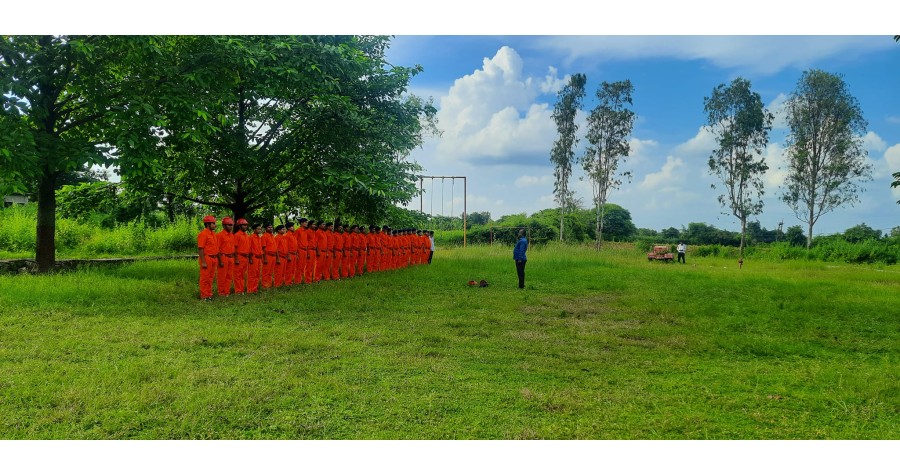
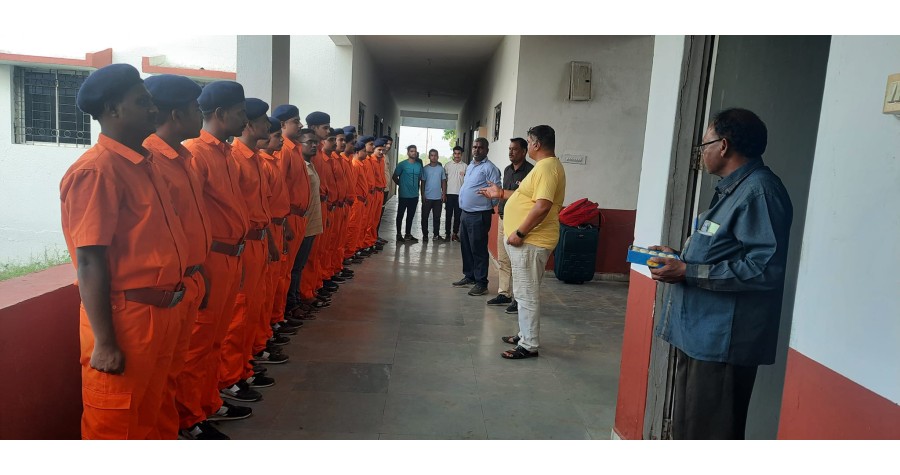
Franchise outlets offer structured courses combining theoretical knowledge and practical training. Students enroll in programs, attend classes or workshops, and complete hands-on exercises using specialized equipment. Daily operations include course management, scheduling, instructor coordination, and student assessments. Revenue is primarily generated from tuition fees for training programs and certification courses.
3. Products or Service Categories
| Fire Safety Engineering | Fire prevention, firefighting techniques, safety equipment, and emergency response planning |
|---|---|
| Industrial Safety Management | Risk prevention, accident minimization, and implementation of safety protocols |
| Disaster Management and Emergency Response | Training for fire emergencies, natural disasters, and hazardous material incidents |
| Workplace Safety and Health | Compliance, risk assessment, and occupational safety management |
4. Franchise Partnership Structure
Franchise partners operate training centers under the NIFSE brand and are responsible for:
- Conducting courses and workshops
- Managing student enrollment and administrative operations
- Ensuring adherence to operational standards and safety protocols
- Coordinating with the franchisor for curriculum updates and training resources
The franchisor provides course materials, equipment guidance, operational frameworks, and ongoing support.
5. Investment and Startup Costs
| Estimated Investment | INR 2–5 Lakh for facility setup, training equipment, and initial marketing |
|---|---|
| Franchise Fee | INR 50,000 for brand licensing and operational onboarding |
| Setup Costs | Classroom and training lab infrastructure, fire safety simulators, software tools, and instructional materials |
| Royalty Payments | 50% of revenue for brand use, course materials, and operational support |
6. Outlet Setup Requirements
| Space Requirement | 1,000–2,250 sq.ft for classrooms, practical labs, and administrative areas |
|---|---|
| Preferred Locations | Urban and semi-urban centers with access to students and professionals |
| Equipment Needs | Fire safety simulators, protective gear, IT systems, projectors, and classroom furnishings |
| Staffing Considerations | Trainers, administrative staff, and operational support to manage training delivery |
7. Franchise Support Systems
NIFSE provides franchise partners with:
| Operational Training | Course delivery, student management, and safety protocol adherence |
|---|---|
| Launch Assistance | Facility setup, equipment installation, and initial marketing |
| Marketing Support | Local promotions, student outreach strategies, and online marketing guidance |
| Ongoing Guidance | Curriculum updates, safety standards compliance, and instructor development |
8. Revenue Model and Profit Drivers
Revenue is generated from tuition fees, certification programs, and corporate training sessions. Profitability depends on student enrollment, program demand, and operational efficiency. Key cost factors include staffing, training equipment, and facility maintenance. Franchise outlets operate under a high-royalty model, with 50% of revenue shared with the franchisor.
9. Brand Background and Expansion
| Founded Year | 2008 |
|---|---|
| Franchise Commenced | 2010 |
| Franchise Network Size | Over 103 outlets nationwide |
| Geographic Presence | Headquartered in Nagpur with branches across India |
| Expansion Goals | Increase accessibility to fire and safety training through additional franchises and regional centers |
10. What Makes This Franchise Different
NIFSE combines theoretical education with practical hands-on training in fire safety, industrial risk management, and emergency response. Its franchise model allows standardized training across urban and rural areas, leveraging certified instructors and specialized equipment to deliver consistent outcomes.
Advantages
- High demand for certified fire and safety professionals
- Scalable model through franchise network expansion
- Repeat engagement potential via advanced courses and corporate programs
- Operational support systems including curriculum, training equipment, and certified instructors
- Opportunities to expand in industrial, corporate, and residential safety sectors
11. Who Should Consider This Franchise
- Entrepreneurs interested in vocational and safety education
- Experienced trainers or safety professionals
- Small investors seeking service-based education franchises
- Individuals targeting professional skill development in fire and safety management
13. Similar Franchise Opportunities
- Fire and Safety Training Institute
- Red Cross Safety Training
- National Safety Council India
- EduSafety Academy
- Industrial Safety Training Academy
These franchises provide comparable professional training in fire safety, industrial safety, and emergency management.
Investment and financials
Investor fit profile
Franchise support
Brand strength
Forefind rank history
Licences and compliance
Gallery
Frequently asked questions
Investment ranges from INR 2–5 Lakh, covering facility setup, training equipment, and initial marketing. Franchise fee is INR 50,000, with a 50% revenue share as royalty for ongoing support and brand use.
Franchise partners conduct training courses, manage student enrollment, maintain safety equipment, and deliver practical and theoretical instruction. The franchisor provides curriculum, operational guidance, and quality monitoring to ensure standardized training outcomes.
Outlets require 1,000–2,250 sq.ft to accommodate classrooms, practical labs, and administrative operations for effective fire and safety training.
Payback depends on student enrollment, course demand, and operational efficiency. High-demand programs and corporate training engagements can accelerate return on investment.
Investors submit inquiries to the franchisor for evaluation, onboarding, and operational support to establish an NIFSE franchise training center. ### 13. Similar Franchise Opportunities
Disclaimer: All scores, rankings, and estimates on ForeFind are independently produced editorial assessments using publicly available data and validated brand-submitted information. They are not verified facts, financial advice, or investment recommendations. Full Disclaimer.
