


Mybae Bag Franchise
1. Brand & Franchise Snapshot
| Brand Name | Mybae Bag |
|---|---|
| Industry | Retail – Bags & Accessories |
| Business Category | Consumer Goods / Bag Manufacturing & Retail |
| Founded Year | 2015 |
| Franchise Started | 2022 |
| Total Franchise Outlets | 20–50 |
| Estimated Investment | INR 10 Lakh – 20 Lakh |
| Franchise Fee | INR 5,00,000 |
| Royalty Fee | Not detailed; typically contributes to brand usage, supply chain access, and ongoing support |
| Space Requirement | 800 – 1000 sq. ft. |
| Staff Requirement | Retail sales team and store manager depending on store size |
| Expected Payback Period | 1–2 Years |
Understanding the Brand
Mybae Bag is a bag manufacturing and retail brand operating in the consumer accessories segment, offering a wide range of functional and lifestyle bags. The business serves individual consumers, students, professionals, and corporate clients, positioning itself within the retail franchise category focused on branded bag sales and customized bulk supply.
2. Operating Concept
The business operates through a combination of retail sales and bulk supply channels.
Customers typically interact with the business via:
- Walk-in retail outlets offering product displays
- Corporate or institutional order inquiries
- Customization requests for branded products
Operational workflow includes:
- Product display and customer assistance in-store
- Processing individual retail purchases
- Handling bulk or customized orders for businesses and institutions
- Managing inventory and restocking from centralized manufacturing or supply units
Revenue is generated from direct product sales and bulk order contracts.
3. Products or Service Categories
Franchise outlets offer multiple product categories:
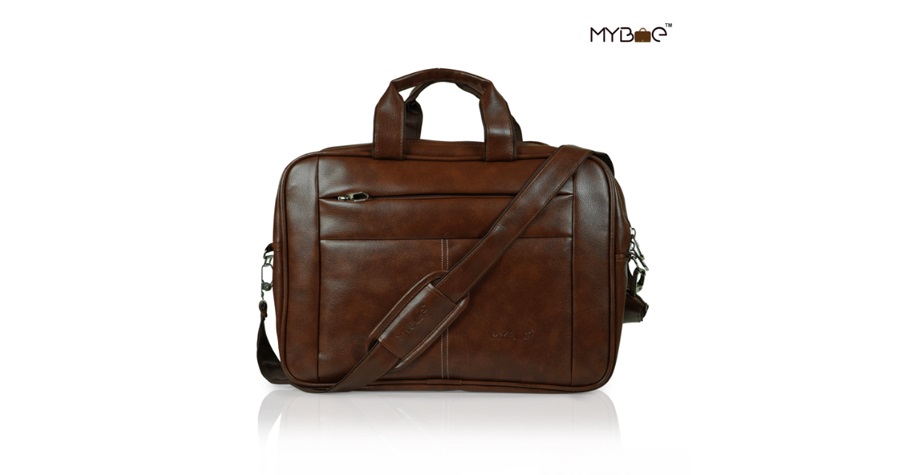
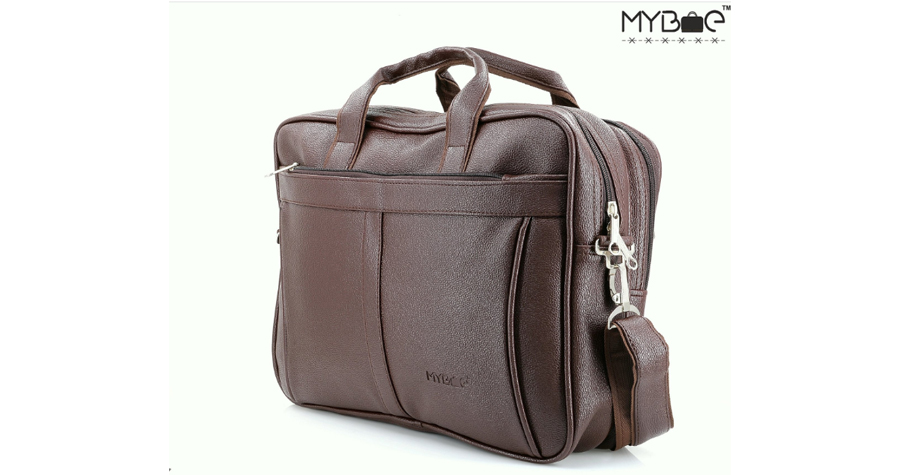
| Laptop Bags | Designed for professional and student use |
|---|---|
| Backpacks | Everyday use, travel, and utility-focused designs |
| Handbags | Lifestyle and fashion-oriented products |
| Travel Bags | Larger capacity bags for travel purposes |
| School Bags | Ergonomic and durable designs for students |
| College Bags | Trend-driven products for young consumers |
| Customized Corporate Bags | Bulk orders with branding and logo integration |
4. Franchise Partnership Structure
The franchise model enables partners to operate branded retail outlets under the Mybae Bag system.
Franchise partner responsibilities include:
- Managing day-to-day retail operations
- Driving sales through customer engagement and local marketing
- Handling corporate inquiries and bulk order coordination
- Maintaining store standards and inventory
The franchisor typically supports:
- Product supply and catalog updates
- Branding and store identity
- Guidance on merchandising and sales practices
5. Investment and Startup Costs
The investment range reflects a standard retail setup in the accessories segment.
Key cost components include:
- Franchise fee for brand licensing and onboarding
- Store setup including interiors, display units, and branding
- Initial inventory purchase across multiple product categories
- Local marketing and operational working capital
Royalty, where applicable, generally supports ongoing brand services, supply chain systems, and operational assistance.
6. Outlet Setup Requirements
| Space Requirement | 800 – 1000 sq. ft. for full product display |
|---|---|
| Location Preference | High footfall retail areas such as malls, shopping streets, or commercial zones |
| Equipment Needs | Display racks, storage units, billing systems, and branding elements |
| Staffing | Sales personnel to handle walk-in customers and assist with product selection |
7. Franchise Support Systems
Support systems typically include:
- Initial training on product knowledge and retail operations
- Store setup guidance including layout and merchandising
- Marketing support for brand visibility and customer acquisition
- Supply chain support ensuring regular inventory availability
- Ongoing operational assistance for sales optimization and order handling
These systems help standardize customer experience across franchise outlets.
8. Revenue Model and Profit Drivers
Revenue is generated through:
- Retail sales of bags across categories
- Bulk corporate and institutional orders
- Customized product offerings with branding
Demand drivers include increasing usage of functional bags for education, travel, and professional needs. Repeat purchases may occur due to product wear-and-tear cycles and evolving consumer preferences.
Profitability depends on product margins, inventory turnover, and ability to secure bulk orders.
9. Brand Background and Expansion
- The company was established in 2015 in the bag manufacturing and supply segment
- Franchise expansion began in 2022
- The brand has developed a network of 20–50 outlets
- Distribution extends across multiple regions, including corporate and institutional supply channels
Growth strategy focuses on expanding retail presence alongside bulk supply capabilities.
10. What Makes This Franchise Different
Unlike many bag retailers that rely solely on walk-in consumer sales, this model integrates retail operations with corporate bulk supply and customization services. This dual-channel approach allows franchisees to diversify revenue streams beyond standard retail dependency.
Advantages of the Franchise
- Consistent demand across multiple customer segments
- Combination of retail and bulk order revenue streams
- Scalable product range across price points and use cases
- Established supply chain and manufacturing support
- Opportunity to build long-term corporate client relationships
11. Who Should Consider This Franchise
This opportunity may be suitable for:
- Entrepreneurs interested in retail and consumer goods businesses
- Investors seeking moderate investment franchise opportunities
- Individuals with experience in fashion accessories or retail operations
- Business owners targeting both retail and corporate clients
- First-time entrepreneurs looking for structured retail models
13. Similar Franchise Opportunities
Investors exploring bag retail and accessories franchises may also consider:
- VIP Industries
- Skybags
- American Tourister
- Safari Industries
- Wildcraft
These brands operate in the luggage, backpack, and accessories segment and offer comparable retail or distribution opportunities for investors.
Accepting franchise applications in 35 states & UTs

What investment is required for Mybae Bag franchise?
The total investment typically falls between INR 10 lakh and 20 lakh. This includes the franchise fee, store setup, initial inventory, and working capital. The model aligns with mid-range retail businesses where product display and inventory play a key role.
How does the Mybae Bag franchise operate?
The franchise operates as a retail outlet selling various types of bags while also handling bulk and customized orders. Revenue is generated from both individual customer purchases and institutional or corporate supply contracts.
What space is required to start the franchise?
A retail space between 800 and 1000 square feet is generally required. This allows sufficient room for product display, storage, and customer movement within the store.
How long does it take to recover the investment?
The expected payback period is approximately 1 to 2 years. Actual recovery depends on store location, sales volume, and the ability to secure repeat retail customers and bulk orders.
How can investors apply for the franchise?
Interested investors can apply by contacting the brand, completing onboarding procedures, and setting up the retail outlet. The process usually includes agreement signing, training, store setup, and procurement of initial inventory. ## 13. Similar Franchise Opportunities
Disclaimer: All scores, rankings, and estimates on ForeFind are independently produced editorial assessments using publicly available data and validated brand-submitted information. They are not verified facts, financial advice, or investment recommendations. Full Disclaimer.
