



About the brand
Ms Dhamaka Food Factory Franchise
Brand & Franchise Snapshot
| Brand Name | MS Dhamaka Food Factory |
|---|---|
| Industry / Business Category | Quick Service Restaurants / Café Chain |
| Founded Year | 2018 |
| Franchise Started Year | 2020 |
| Total Franchise Outlets | 50–100 |
| Estimated Investment | INR 10 Lakh – 20 Lakh |
| Franchise Fee | Information not provided; typically covers brand licensing, training, and support |
| Royalty Fee | Information not provided; generally a percentage of revenue for ongoing franchisor support |
| Space Requirement | 250–500 Sq.ft |
| Staff Requirement | Varies by outlet; small teams for café operations |
| Expected Payback Period | 1–2 Years |
1. What is MS Dhamaka Food Factory?
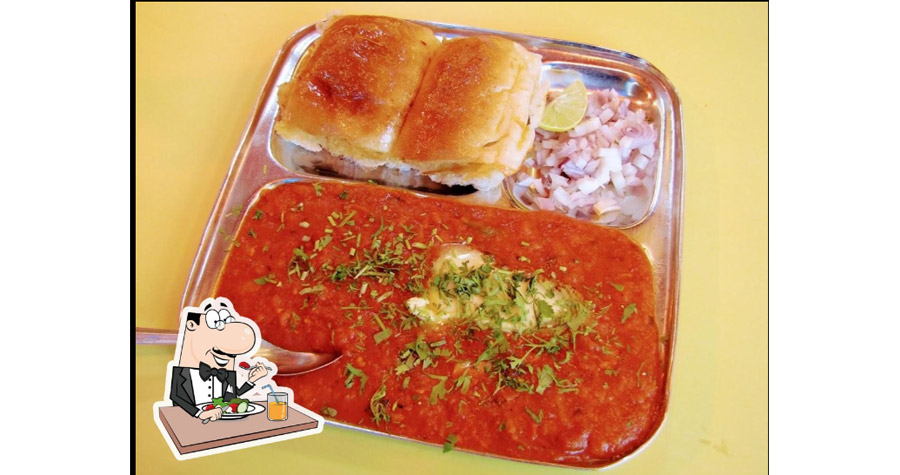
MS Dhamaka Food Factory is a fast-food and café chain in India offering diverse culinary options, including South Indian dishes, Chinese, desserts, fast food, and innovative Indian-style pizzas. The brand serves urban youth and casual diners and falls under the quick-service restaurant franchise category.
2. How the Business Works
Franchise outlets operate on a quick-service café model where customers place orders at counters and food is prepared fresh. The workflow includes ingredient preparation, cooking, plating, and service. Revenue is generated from food and beverage sales, with repeat purchases driven by affordability, variety, and freshness.
3. Products or Service Categories
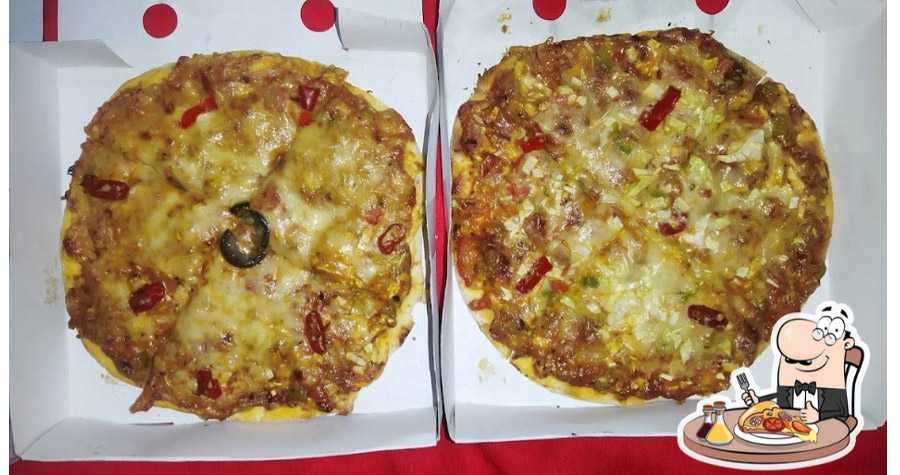
| Indian-Style Pizzas | Innovative flavors served fresh |
|---|---|
| South Indian Cuisine | Dosas, idlis, and regional specialties |
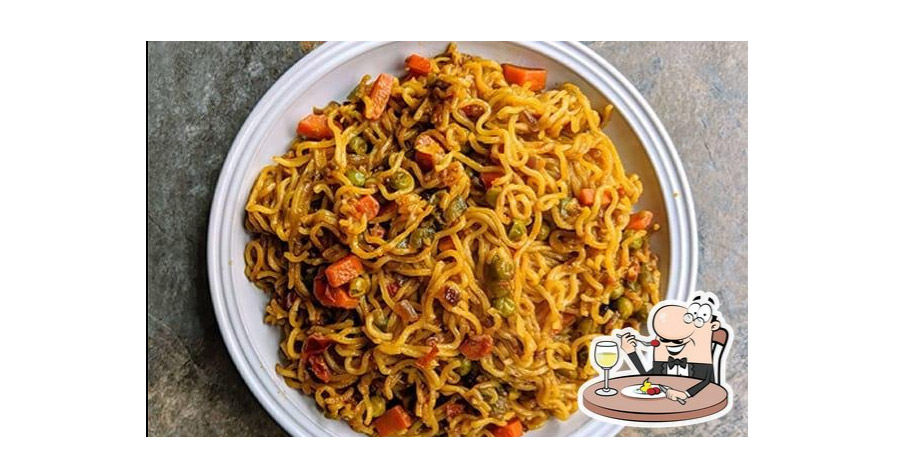
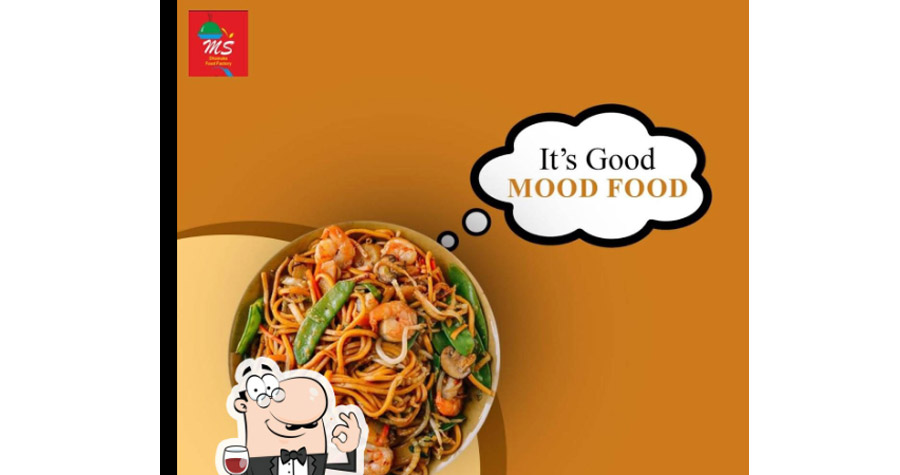
| Chinese & Continental Dishes | Noodles, fried rice, and fusion meals |
| Fast Food & Snacks | Burgers, sandwiches, and quick bites |
| Desserts & Beverages | Chai, coffee, shakes, and sweet treats |
4. Franchise Partnership Structure
| Role of Franchise Partner | Manage daily outlet operations, staff, and customer service |
|---|---|
| Operational Responsibilities | Order preparation, inventory management, customer engagement, and local promotions |
| Franchisor-Franchisee Interaction | Training, supply chain support, marketing guidance, and operational oversight |
| Operational Expectations | Maintain food quality, hygiene, brand standards, and customer satisfaction |
5. Investment and Startup Costs
| Estimated Investment | INR 10 Lakh – 20 Lakh including outlet setup, equipment, and initial marketing |
|---|---|
| Franchise Fee | Covers brand licensing, operational training, and initial support (exact fee not provided) |
| Setup Costs | Kitchen equipment, furniture, interior design, and initial inventory |
| Royalty Payments | Not specified; standard practice is a percentage of revenue for ongoing support |
6. Space and Setup Requirements
| Space Requirement | 250–500 Sq.ft suitable for urban café locations |
|---|---|
| Preferred Locations | High-footfall streets, malls, or urban neighborhoods |
| Equipment Needs | Kitchen appliances, bar tables, seating, and storage for fresh ingredients |
| Staffing Considerations | Small teams handling cooking, service, and counter operations |
7. Training and Franchise Support
- Operational training covering cooking, service, and inventory management
- Assistance with outlet setup, design, and equipment procurement
- Marketing support for promotions and local campaigns
- Access to supply chain partners for consistent ingredient sourcing
- Ongoing guidance to maintain operational efficiency and brand standards
8. Revenue Model and ROI Factors
| Revenue Sources | Food and beverage sales, combo meals, and snacks |
|---|---|
| Pricing Model | Competitive pricing aimed at urban youth and casual diners |
| Demand Drivers | Variety, freshness, and fast-service experience |
| Repeat Customer Potential | High due to menu diversity and quality |
| Operational Cost Factors | Staff wages, ingredients, equipment maintenance, and marketing |
| Expected Payback Period | 1–2 years |
9. Brand Background and Expansion
| Founded | 2018 by S. K. Mishra |
|---|---|
| Franchise Launch | 2020 |
| Network Size | 50–100 outlets |
| Geographic Presence | Over 10 cities across India |
| Expansion Goals | Expand urban presence, attract younger demographics, and maintain fast-casual café growth |
10. What Makes This Franchise Different
MS Dhamaka Food Factory integrates traditional Indian flavors with global cuisine trends, offering freshly prepared food with cultural and contemporary dining experiences. Its eco-conscious operations, including the “No Plastic, More Organic” policy, differentiate it from typical fast-food chains.
11. Key Advantages of the Franchise
- Diverse menu appealing to wide demographics
- Scalable café model suitable for urban locations
- High repeat customer potential from fresh and varied offerings
- Strong operational support in training, supply chain, and marketing
- Environmentally conscious positioning with sustainable practices
12. Who Should Consider This Franchise
- First-time business owners seeking quick-service food ventures
- Entrepreneurs interested in café-style operations with minimal complexity
- Investors targeting urban youth and family dining markets
- Operators seeking a blend of traditional Indian and global cuisine offerings
14. Similar Franchise Opportunities
- Cafe Coffee Day
- Barista Lavazza
- Bikanervala
- Wow! Momo
- Smoor Chocolate & Café
These brands provide comparable quick-service and café-style franchise opportunities with urban appeal.
Investment and financials
Investor fit profile
Franchise support
Brand strength
Licences and compliance
Gallery
Frequently asked questions
Investment ranges from INR 10–20 Lakh, covering setup, equipment, working capital, and marketing.
Franchisees manage daily outlet operations, including cooking, service, staffing, and inventory, with franchisor support in training, supply chain, and marketing.
Outlets need 250–500 Sq.ft, accommodating small kitchens, seating, and counter service.
Expected payback period is 1–2 years depending on location and operational efficiency.
Interested parties can contact the brand directly for application procedures, site evaluation, and franchise agreements. ## 14. Similar Franchise Opportunities
Disclaimer: All scores, rankings, and estimates on ForeFind are independently produced editorial assessments using publicly available data and validated brand-submitted information. They are not verified facts, financial advice, or investment recommendations. Full Disclaimer.
