



About the brand
Momo Master Franchise
Brand & Franchise Snapshot
| Brand Name | Momo Master |
|---|---|
| Industry / Business Category | Quick Service Restaurants (Momos & Street Food) |
| Founded Year | 1999 |
| Franchise Started Year | 2024 |
| Total Franchise Outlets | 10–20 |
| Estimated Investment | INR 10,000–50,000 |
| Franchise Fee | Included in initial investment |
| Royalty Fee | No ongoing royalties; revenue retained by franchisee |
| Space Requirement | 100–200 sq. ft. |
| Staff Requirement | 2–5 depending on format (kiosk or café) |
| Expected Payback Period | 1–2 years |
1. What is Momo Master?
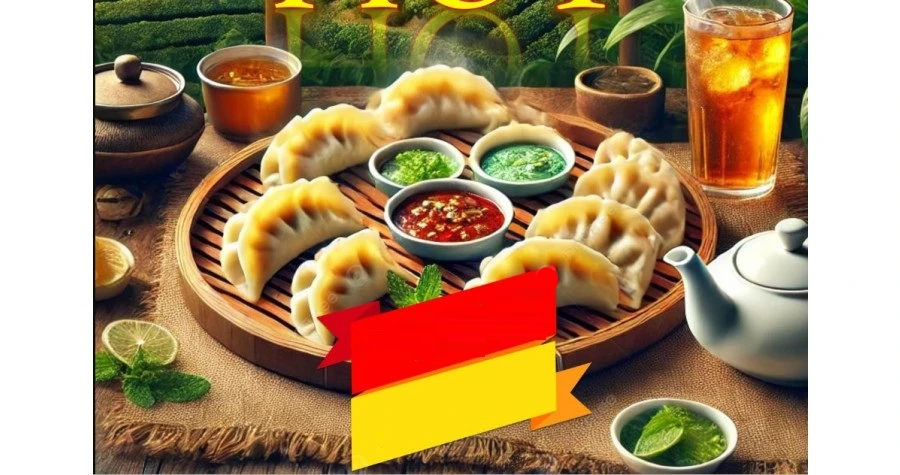
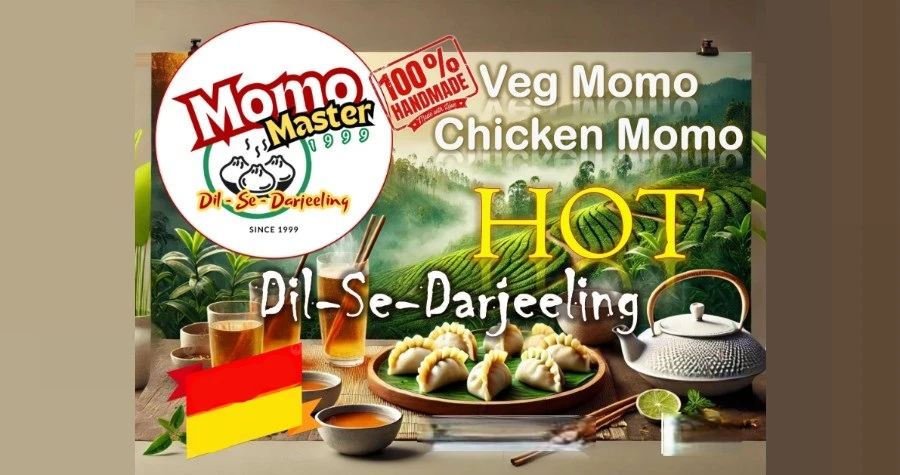
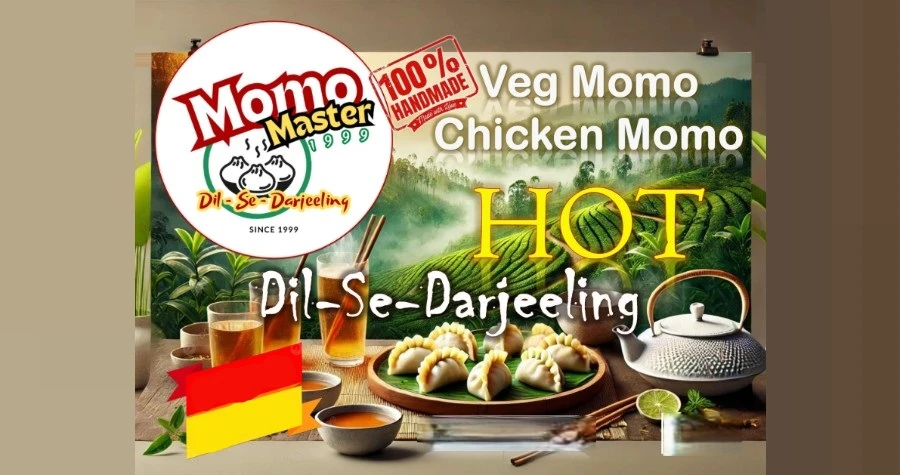
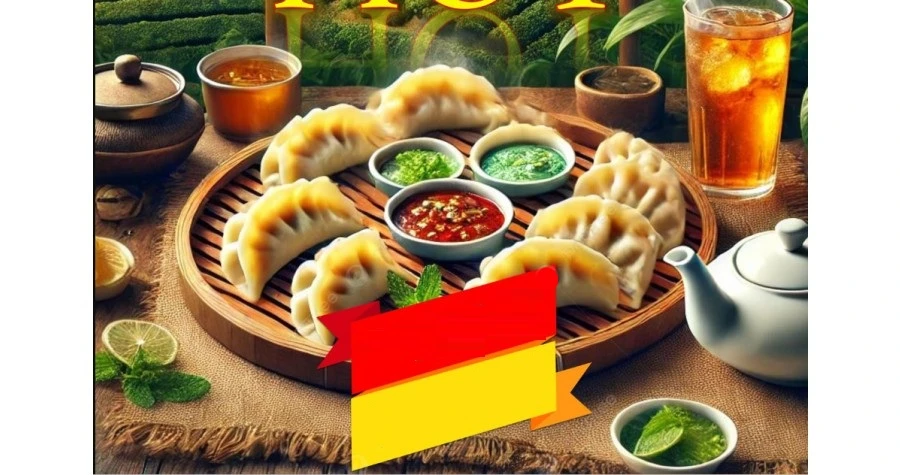
Momo Master is a quick-service restaurant brand specializing in authentic Darjeeling-style momos. Operating in the QSR industry, it offers freshly steamed, handmade momos with a range of traditional and fusion flavors. The brand targets urban youth, office-goers, students, and families seeking hygienic, affordable, and convenient street-food-style meals.
2. How the Business Works
Customers can dine-in, order takeaway, or opt for delivery. Each momo is prepared using standardized recipes and processes to ensure consistency. The operational workflow includes ingredient prep, dough and filling assembly, steaming, and service. Revenue is generated from direct sales, combos, and menu add-ons, with a focus on high-turnover, low-waste operations for profitability.
3. Products or Services Offered
| Steamed Momos | Veg, chicken, traditional fillings |
|---|---|
| Fusion & Specialty Momos | Tandoori, butter chicken, peri-peri, cheese corn, chocolate dessert momos |
| Sides & Combos | Light accompaniments to complement the main dish |
| Custom Orders | Adjustable spice, fillings, and portion sizes |
| Delivery-Friendly Packaging | Optimized for freshness and convenience |
4. Franchise Structure and Operating Model
| Franchise Partner Role | Manage daily operations, staff, and customer service |
|---|---|
| Responsibilities | Maintain hygiene, prep standards, and quality |
| Franchisor-Franchisee Interaction | Ongoing guidance, training, and marketing support |
| Outlet Operations | Predefined SOPs for kitchen workflow, inventory tracking, and service efficiency |
5. Franchise Cost and Investment
| Estimated Investment | INR 10,000–50,000, covering setup, branding, and initial inventory |
|---|---|
| Franchise Fee | Included in the initial investment |
| Setup Costs | Kiosk or café infrastructure, cooking equipment, POS system, and promotional materials |
| Royalty | No recurring fees; the franchisee retains all revenue |
6. Space and Setup Requirements
| Space Needed | 100–200 sq. ft., suitable for kiosks, mall units, or compact urban cafés |
|---|---|
| Preferred Locations | Malls, college campuses, food courts, office parks, high-traffic streets |
| Equipment Requirements | Steamers, prep stations, storage, refrigeration |
| Staffing | 2–5 employees depending on outlet format and volume |
7. Training and Franchise Support
- Initial and ongoing training on recipes, hygiene, SOPs, and service standards
- Assistance with outlet design, equipment installation, branding, and launch
- Marketing support for both digital and local campaigns
- Guidance on inventory, POS usage, and operational best practices
8. Revenue Model and ROI Factors
| Revenue Streams | Direct sales, combo meals, and delivery orders |
|---|---|
| Pricing Model | Affordable, high-volume pricing targeting youth and families |
| Customer Demand Drivers | Popularity of momos as quick meals and snacks |
| Operational Efficiencies | Minimal staffing, fast prep, and low waste |
Expected payback is 1–2 years, supported by low initial investment and recurring daily sales.
9. Brand Background and Expansion
| Founded | 1999 |
|---|---|
| Franchise Launch | 2024 |
| Network | 10–20 franchise units planned initially |
| Markets | Urban areas with high footfall; scalable to other cities |
| Expansion Strategy | Kiosk and small café formats adaptable to multiple urban locations |
10. What Makes This Franchise Different
Momo Master stands out by combining authentic Darjeeling-style momos with a scalable, low-investment QSR format. Operational distinctiveness includes:
- Centralized recipe standardization for consistent flavor
- Steamed, healthy options in contrast to fried street-food alternatives
- Minimal staffing and compact footprint for fast ROI
- Integration of traditional flavors with fusion variants appealing to wider demographics
11. Key Advantages of the Franchise
- High urban demand for hygienic, quick street-food options
- Low initial investment and minimal operational overhead
- High repeat customer potential with fusion and classic menu items
- Ongoing support in marketing, operations, and launch
- Scalable format suitable for kiosks and small cafés
12. Who Should Consider This Franchise
- First-time business owners seeking small-scale food investments
- Experienced QSR or street-food operators
- Entrepreneurs targeting high-footfall urban locations
- Investors interested in scalable, low-overhead, fast-return food businesses
14. Similar Franchise Opportunities
- Momo Guy
- Momo Kings
- Momo Hangout
- Momo Hut Cafe
- Momo Lama
These brands provide comparable menu offerings, operational models, and urban QSR franchise opportunities.
Investment and financials
Investor fit profile
Franchise support
Brand strength
Forefind rank history
Licences and compliance
Gallery
Frequently asked questions
The initial investment ranges between INR 10,000–50,000, covering outlet setup, equipment, branding, and initial inventory.
Franchisees operate a standardized QSR outlet following SOPs for momo preparation, service, and hygiene, ensuring consistency and repeatability across all units.
Outlets require 100–200 sq. ft., adaptable for kiosks, compact cafés, or food-court settings.
Payback is typically 1–2 years, depending on location, footfall, and daily sales performance.
Investors submit an application through official channels, undergo evaluation, receive training, and receive support to launch their franchise outlet. ## 14. Similar Franchise Opportunities
Disclaimer: All scores, rankings, and estimates on ForeFind are independently produced editorial assessments using publicly available data and validated brand-submitted information. They are not verified facts, financial advice, or investment recommendations. Full Disclaimer.
