



Metro Dosa Franchise
Brand & Franchise Snapshot
| Brand Name | Metro Dosa |
|---|---|
| Industry | Food & Beverage / Quick Service Restaurants |
| Business Category | South Indian Street Food Franchise |
| Founded Year | 2019 |
| Franchise Started Year | 2019 |
| Total Franchise Outlets | 10–20 |
| Estimated Investment | INR 2 Lakh – 5 Lakh |
| Franchise Fee | One-time investment, no recurring royalty |
| Royalty Fee | None |
| Space Requirement | 100–200 sq. ft. |
| Staff Requirement | Chef, kitchen helper, and service staff |
| Expected Payback Period | 1–2 years |
1. What is Metro Dosa?
Metro Dosa is a food franchise specializing in South Indian street food with a focus on dosas. The brand offers 101 dosa varieties, combining traditional recipes with innovative fusion options. The franchise operates in the quick-service restaurant category and targets urban food lovers, including families, young adults, and working professionals.
2. How the Business Works
Metro Dosa follows a lean, evening-focused operational model:
- Customers place orders in-store or via online delivery platforms
- Dosas are prepared by trained chefs using standardized recipes and signature batters
- Operational workflow is streamlined for high efficiency during peak hours
- Revenue is generated from walk-ins, delivery orders, and potential catering events
Franchisees can expand to morning hours to capture breakfast demand.
3. Products or Service Categories
Metro Dosa’s offerings include:
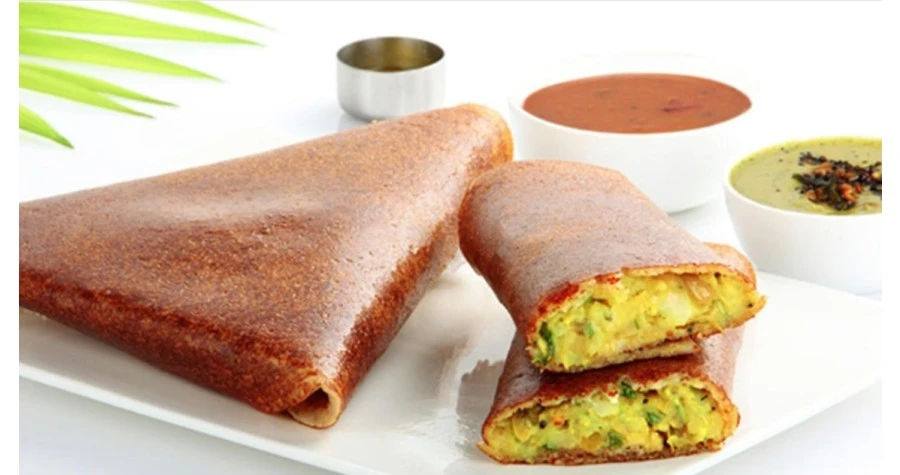
- Traditional dosas: Masala, Rava, Paneer varieties
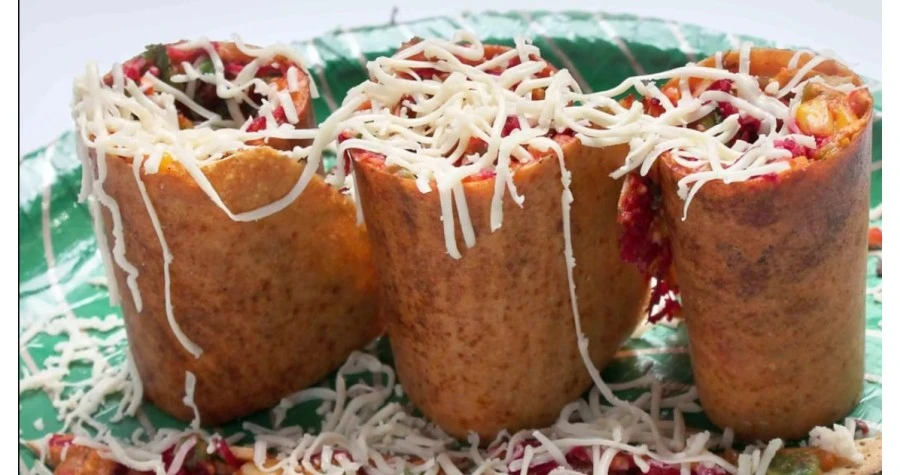
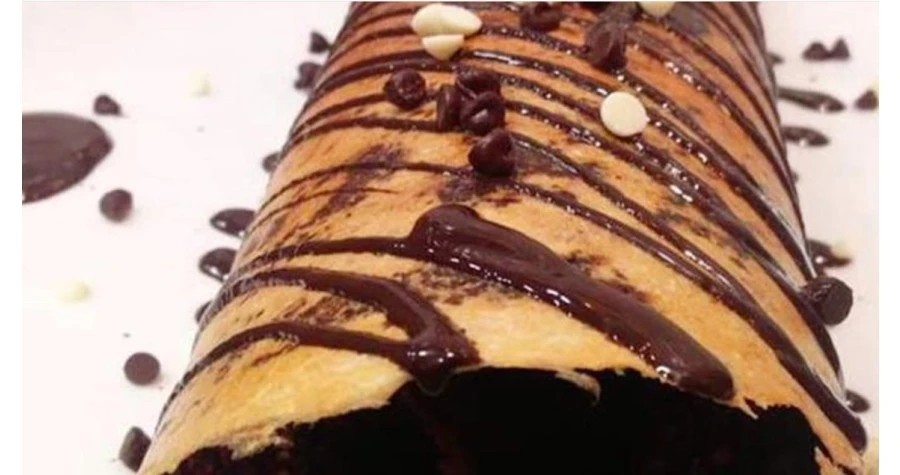
- Fusion dosas: Chocolate, Chinese Schezwan, Pizza Dosa
- Complementary South Indian items: Chutneys, sambar
- Online delivery and takeaway services
- Catering for events and corporate orders
The diverse menu caters to a wide range of customer preferences.
4. Franchise Structure and Operating Model
Franchise partners are responsible for:
- Running the outlet and hiring staff
- Managing chef salaries, accommodation, and operational costs
- Local marketing and client engagement
The franchisor provides:
- Trained chefs and optional kitchen helpers
- Onsite training, SOPs, and recipe guidelines
- Licensing support, food packaging, and online delivery integration
Franchise operations rely on standardized processes to maintain quality across outlets.
5. Franchise Cost and Investment
The financial model emphasizes a one-time investment:
- Initial costs include franchise fee, kitchen setup, and equipment
- No ongoing royalty payments allow full retention of profits
- Additional costs include chef and helper salaries, food, and accommodation
This low-friction model facilitates faster ROI compared to traditional royalty-based franchises.
6. Space and Setup Requirements
| Space | 100–200 sq. ft. suitable for small urban outlets |
|---|---|
| Location | High-footfall urban areas, near offices, colleges, or marketplaces |
| Equipment Needs | Standard kitchen setup, cooking equipment, serving counter |
| Staffing | One trained chef, optional kitchen helper, minimal service staff |
The compact design keeps operational costs low.
7. Training and Franchise Support
Metro Dosa provides:
- Onsite chef training for consistency in taste and speed
- SOP manuals and operational guidelines
- Assistance with licensing and online delivery partnerships (Swiggy/Zomato)
- Optional staff training and kitchen helper support
Support ensures franchisees can maintain quality while scaling operations.
8. Revenue Model and ROI Factors
Revenue is generated through:
- In-store sales during peak evening hours
- Online delivery commissions
- Event and catering orders
Key profit drivers include location, footfall, menu diversity, and delivery integration. The absence of royalty fees improves profit retention. ROI is achievable within 1–2 years depending on sales volume and operational efficiency.
9. Brand Background and Expansion
Metro Dosa was founded in 2019 and began franchising the same year. Its focus on 101 dosa varieties and urban evening-centric operations has helped establish a niche in South Indian street food. Expansion potential exists in Tier 2 & Tier 3 cities and through online delivery and catering services.
10. What Makes This Franchise Different
Metro Dosa’s operational distinction:
- Offers 101 dosa varieties, combining traditional and fusion recipes
- Trademarked brand ensures legal protection and exclusivity
- Lean evening-centric model reduces labor costs while maximizing revenue
- One-time investment with no royalty fee provides full profit control
This model blends culinary innovation with streamlined operations for high scalability.
11. Key Advantages of the Franchise
- High consumer demand for diverse South Indian food options
- Scalable evening-focused business model
- Strong franchise support: trained chefs, SOPs, online delivery guidance
- Full profit retention due to no royalty fees
- Potential to expand into breakfast, catering, and tier 2–3 markets
12. Who Should Consider This Franchise
Suitable for:
- First-time restaurant entrepreneurs
- Food business investors seeking quick ROI
- Operators interested in lean, high-margin urban outlets
- Franchisees targeting both dine-in and delivery markets
Ideal for those wanting a trademarked brand with structured operational support.
14. Similar Franchise Opportunities
Investors may also consider:
- Sagar Ratna
- Dosa Plaza
- Ananda Bhavan
- Adyar Ananda Bhavan
- Arya Bhavan
These brands operate in the South Indian QSR and dosa niche, providing comparable franchise models for investors interested in this culinary segment.
Accepting franchise applications in 36 states & UTs
What investment is required for Metro Dosa franchise?
Investment ranges from INR 2 Lakh to 5 Lakh, covering kitchen setup, franchise fee, and operational costs. No recurring royalty allows full retention of profits, reducing the risk for investors.
How does the Metro Dosa franchise operate?
Franchisees run a small outlet staffed with a trained chef and optional helper. The model focuses on evening hours, in-store sales, online delivery, and catering. Standardized recipes and operational procedures ensure quality and consistency.
What space is required to start the franchise?
100–200 sq. ft. is sufficient for kitchen, counter, and minimal customer interaction. This compact size keeps setup and rent costs low.
How long does it take to recover the investment?
Payback period is typically 1–2 years, depending on location, footfall, and sales volume. High evening traffic and online delivery contribute to faster returns.
How can investors apply for the franchise?
Investors can submit enquiries through Metro Dosa’s franchise portal or contact the corporate office. Evaluation includes location feasibility, operational readiness, and alignment with brand standards. ## 14. Similar Franchise Opportunities
Disclaimer: All scores, rankings, and estimates on ForeFind are independently produced editorial assessments using publicly available data and validated brand-submitted information. They are not verified facts, financial advice, or investment recommendations. Full Disclaimer.
