



Madhav Baug Clinics Franchise: Investment, Recurring Revenue Model and ROI in India
About Madhav Baug Clinics
The Madhav Baug Clinics franchise delivers healthcare and diagnostic-related services to a client base that spans both individual patients and institutional or SME relationships, a combination that shapes the revenue character of this business in an important way. Unlike a purely retail healthcare touchpoint built around one-off visits, a clinic-based model of this kind typically depends on patients returning for follow-up consultations, ongoing management of chronic conditions, or repeat diagnostic needs — the kind of built-in return visit pattern that healthcare services generate almost by nature. Thirteen years into franchising and having grown to somewhere between 100 and 200 operating centres, Madhav Baug Clinics has demonstrated a rollout pace, averaging over eleven new units annually, that reflects a genuinely repeatable operating model rather than one or two isolated success stories.
The Revenue Model: Recurring vs Project-Based Income
Healthcare and diagnostic services naturally lend themselves to a blend of one-time transactional visits and ongoing patient relationships, and a clinic franchise’s financial stability depends heavily on how much of its book shifts from the former to the latter. In this category, a single diagnostic visit or consultation is transactional revenue, while a patient returning for periodic monitoring, follow-up treatment, or a recurring health management program represents the far more valuable retained relationship. With a moderate revenue model classification and an expected monthly revenue range between roughly INR 1.8 lakh and 7.2 lakh once a centre reaches operational maturity, the practical implication is that early months typically lean more heavily on transactional walk-in and referral traffic, with the wider end of that revenue range becoming achievable only once a franchisee has built a base of returning patients who trust the clinic for ongoing care rather than a single visit.
Client Acquisition: Cost, Timeline, and Franchisor Support
Building a patient base substantial enough to sustain that higher end of the revenue range doesn’t happen in the opening weeks. Healthcare services depend heavily on trust, and trust in a clinical setting builds slowly through consistent outcomes, physician or practitioner credibility, and word-of-mouth referral from satisfied patients — a process that typically takes considerably longer than in a purely retail category. Madhav Baug Clinics’ thirteen-year operating history and presence across well over a hundred centres nationally give a new franchisee a meaningful credibility advantage over an unbranded local clinic just starting out, shortening the trust-building period somewhat through brand recognition alone. Even so, the franchisor’s marketing support and brand presence generally work alongside, not instead of, the franchisee’s own local outreach — building referral relationships with nearby doctors, community health engagement, and consistent local visibility remain work the franchisee has to actively drive.
Investment Breakdown and Monthly Cost Structure
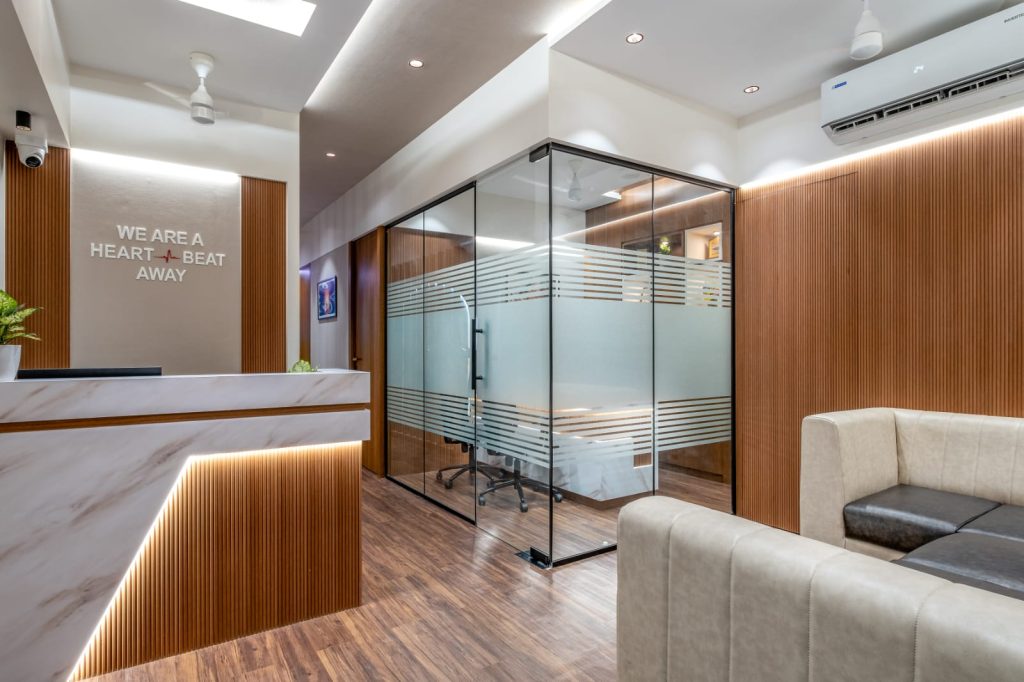
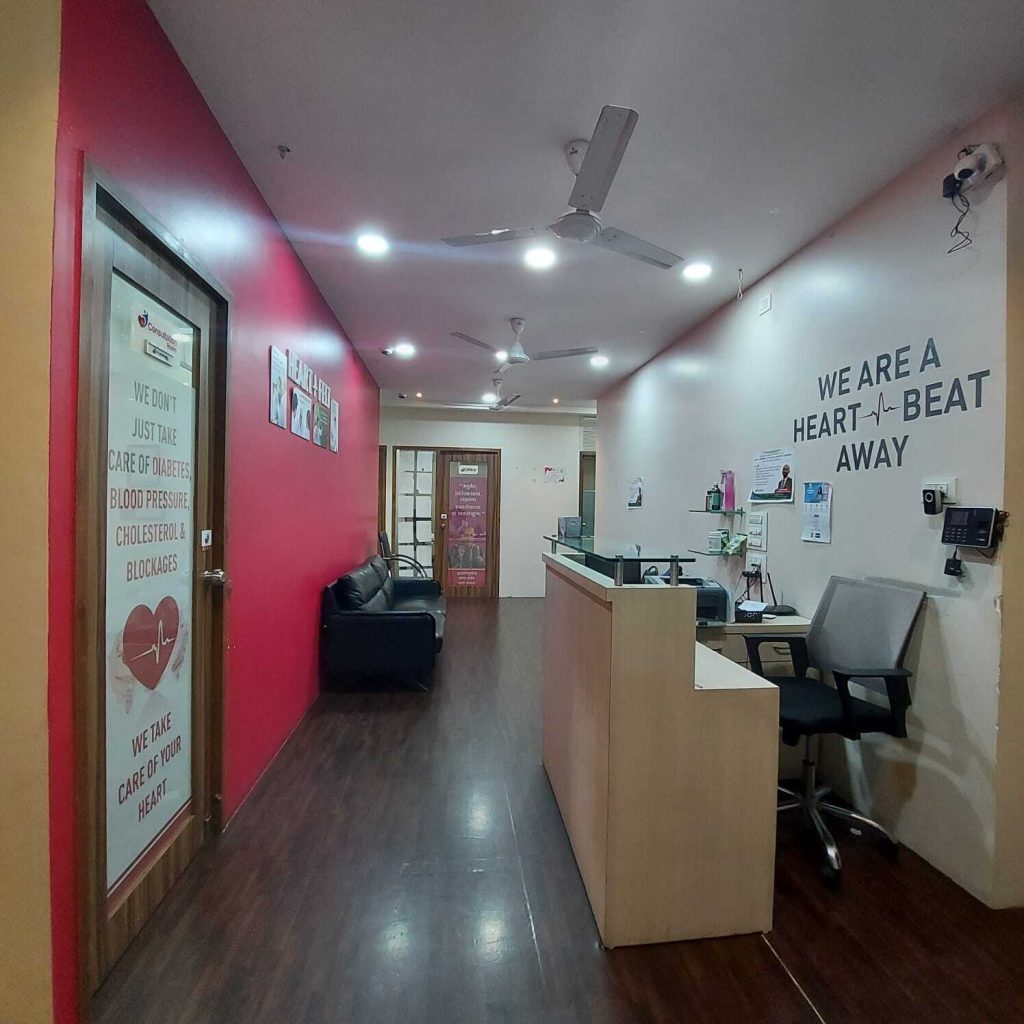
An investment between INR 20 lakh and 30 lakh at this mid-high tier generally covers clinic setup, diagnostic or treatment equipment appropriate to the service line, initial working capital, and the franchise onboarding package. Beyond that upfront commitment, franchisees should budget for recurring monthly costs typical of this category — a royalty percentage tied to revenue, a contribution toward centralised brand marketing, and potentially a technology fee if patient management or diagnostic reporting runs through a centralised platform. Staffing across two to eight people adds a further fixed monthly cost base that has to be covered before profit begins accumulating. Given the nine-to-eighteen month break-even window, the variance in how quickly a franchisee reaches that point usually comes down to how fast the patient base converts from occasional visitors into a returning core, since fixed costs stay relatively constant while patient volume is what determines when the centre crosses into profitability.
Territory, Exclusivity and Market Sizing
Healthcare-related franchise territories are typically defined around a service catchment area, protecting a franchisee’s local patient base from direct competition by another centre under the same brand. In a Tier 2 Indian city, the addressable market for diagnostic and healthcare-related services spans a wide demographic base, since health-related spending tends to be less discretionary and less income-sensitive than most consumer categories, giving this format a broader natural customer pool than many other services businesses. As the network has grown past a hundred centres, clearer territory definition becomes increasingly important to the franchisor, both to protect existing franchisees’ built-up local referral relationships and to ensure new units are placed in genuinely underserved catchments rather than cannibalising an established centre’s patient base.
Scaling Beyond Solo Operation
In the early months, most franchisees personally handle a significant share of patient interaction, administrative coordination, and local relationship-building, but that arrangement caps out once patient volume grows past what one person can manage attentively. The first hire in this category is typically an administrative or patient-coordination role, taking over scheduling and front-desk operations so the franchisee can focus on clinical oversight and building referral relationships with the local medical community. As staffing scales toward the upper end of the two-to-eight range, the franchisor’s operational and quality frameworks become the reference standard for maintaining consistency, helping ensure that service and diagnostic quality hold steady even as the franchisee steps back from handling every patient interaction personally.
Who This Services Franchise Suits
Franchisees who build a strong, self-sustaining patient base within their first year typically bring more than capital to the table — they arrive with local credibility, a network of contacts in the healthcare or business community, or prior professional standing that shortens the trust-building curve considerably. Given the target investor profile here leans toward established small business owners and mid-level corporate professionals, that pre-existing local credibility matters as much as the financial commitment itself. It’s worth being direct about this: franchisees without an existing professional or community network consistently take longer to reach profitability, simply because so much of the first year in a healthcare-adjacent business is spent earning the referral trust that an established local reputation would have provided immediately.
Accepting franchise applications in 29 states & UTs
How much does a Madhav Baug Clinics franchise cost in India?
The total investment for a Madhav Baug Clinics franchise ranges between INR 20 lakh and 30 lakh, covering clinic setup, equipment, initial working capital, and onboarding costs at this mid-high investment tier.
How long does it take to acquire the first paying client?
Initial patient visits typically begin soon after opening through local visibility and referrals, though building a stable, returning patient base that drives consistent recurring revenue generally takes several months of sustained local relationship-building.
Does Madhav Baug Clinics provide leads or client introductions to new franchisees?
The franchisor supports franchisees through brand credibility, marketing initiatives, and operational guidance, while direct patient acquisition and local referral relationships remain primarily the franchisee's responsibility to build.
What is the typical monthly recurring revenue from an established Madhav Baug Clinics franchise?
Established centres indicatively generate between INR 1.8 lakh and 7.2 lakh per month, though actual revenue depends significantly on local patient base size, service mix, and how effectively the franchisee has built recurring patient relationships.
Can a Madhav Baug Clinics franchise be operated from home?
No, this franchise requires a dedicated clinical operating space and cannot be run as a home-based business.
Disclaimer: All scores, rankings, and estimates on ForeFind are independently produced editorial assessments using publicly available data and validated brand-submitted information. They are not verified facts, financial advice, or investment recommendations. Full Disclaimer.
