



Kesia Impex Pvt. Ltd. Franchise: Workshop Investment, Revenue Per Vehicle and Return Timeline
About Kesia Impex Pvt. Ltd.
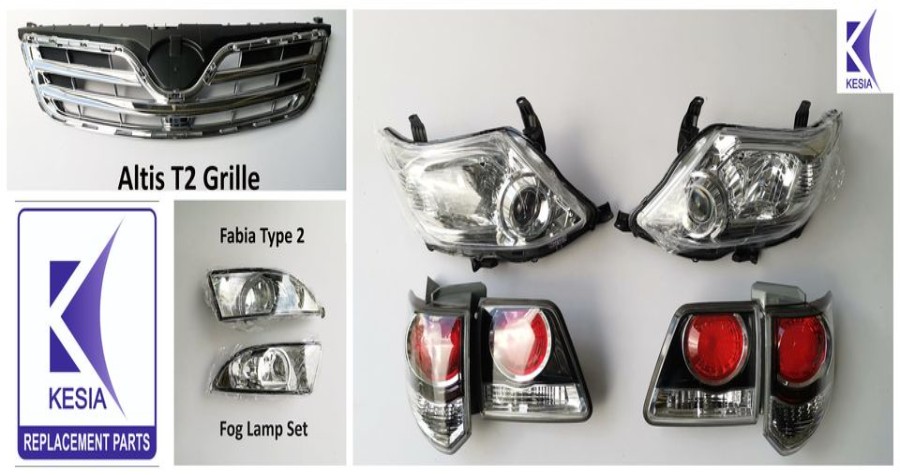
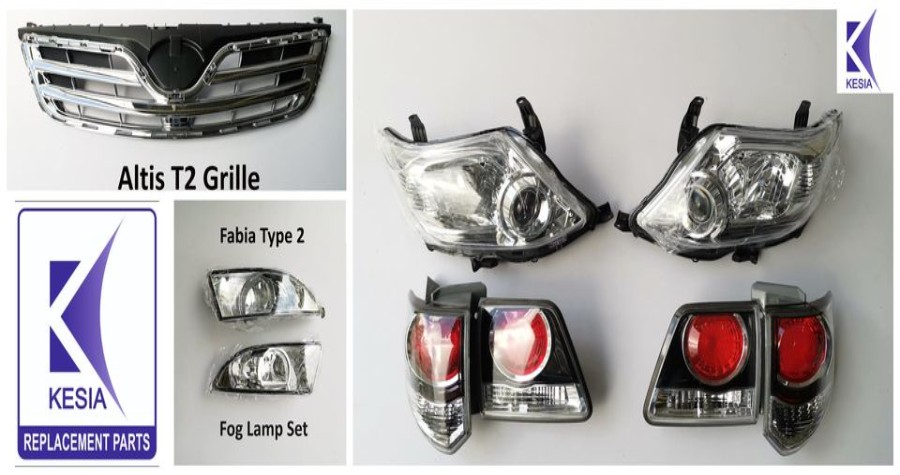
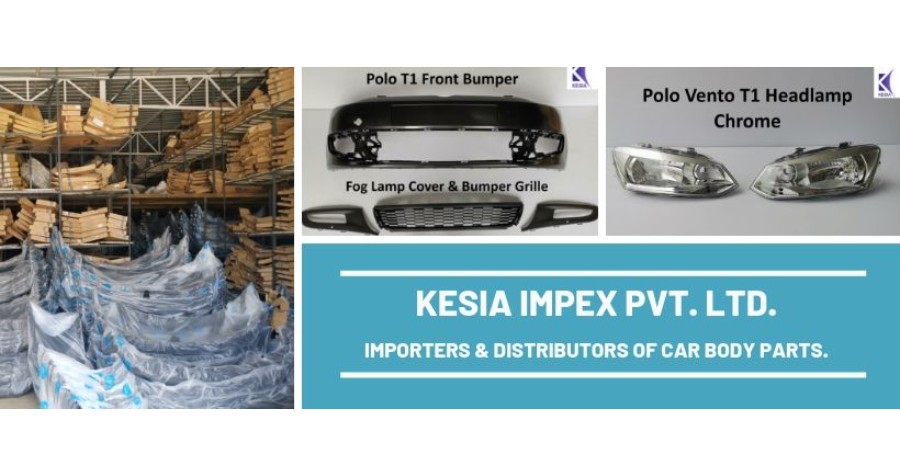
Kesia Impex Pvt. Ltd. franchise operates as an aftermarket automobile body parts distributor and retailer, supplying imported replacement components — front and rear bumpers, fenders, grilles, hood components, headlamp assemblies, tail lamp units, and related body parts — to car owners, independent garages, and repair workshops. The brand sits in the aftermarket parts segment rather than the OEM dealer channel, providing vehicle owners and repair businesses with cost-effective alternatives to manufacturer-supplied components without compromising on fit compatibility. With India’s registered passenger vehicle population now exceeding 60 million and growing annually, the volume of vehicles requiring body part replacement after accidents, weather damage, and wear creates structural demand that does not depend on discretionary consumer spending — it tracks directly with the frequency of road incidents and the natural lifecycle of an aging vehicle fleet.
Revenue Per Vehicle and Daily Throughput Economics
The revenue model at a Kesia Impex franchise is parts-retail rather than service-labour, which changes the unit economics relative to a mechanical workshop. Revenue per transaction is determined by the type and quantity of parts sold rather than by hours of labour charged. A single body panel replacement — say, a front bumper assembly with associated grille and headlamp components — can represent a significant single-ticket sale, while a customer purchasing one replacement indicator unit represents a much smaller transaction. The franchisee’s daily throughput is therefore measured in transaction value as much as transaction count.
In a well-positioned parts retail unit with a 1,500–2,000 square foot showroom and an established relationship with local garages and repair workshops, daily sales volume builds from two channels simultaneously: retail customers who walk in after sourcing their own repair quote, and trade customers — garages and body shops — who order parts regularly to fulfil their own repair jobs. Trade customers typically represent lower margins per unit but higher and more predictable volume. The franchisee who builds a portfolio of trade accounts alongside their retail walk-in base creates a more stable monthly revenue pattern than one dependent entirely on individual end-customers.
Investment Breakdown: Equipment, Setup, and Working Capital
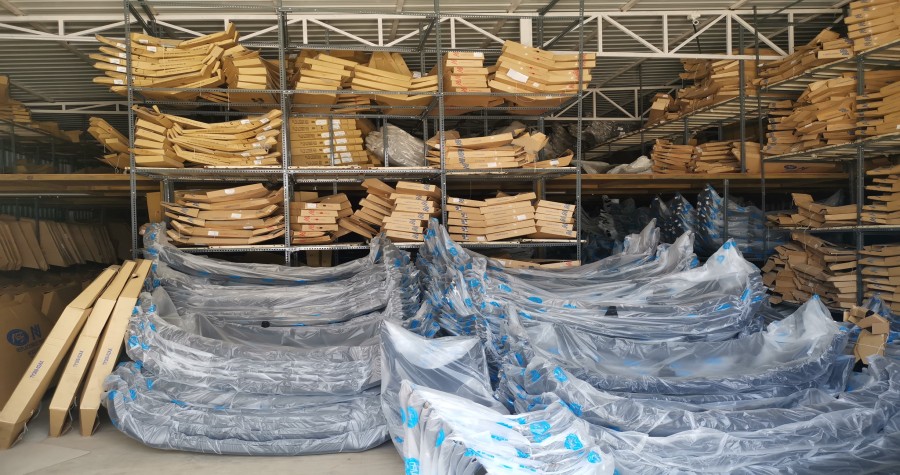
The investment structure for a Kesia Impex Pvt. Ltd. franchise reflects the nature of a parts retail business rather than a workshop: the primary capital requirement is inventory rather than equipment. A 1,500–2,000 square foot commercial showroom stocked with body parts across the full Kesia Impex product range requires sufficient opening inventory to demonstrate product breadth and fulfil customer orders without extended wait times. Parts that cannot be supplied within a reasonable timeframe lose the sale to an alternative supplier — inventory depth at opening directly affects early customer retention.
The investment range indicated in the brand data table should be verified directly with Kesia Impex during the evaluation process, as a parts retail operation of this footprint would typically require a higher capital commitment for opening inventory alone. Beyond inventory, the monthly cost structure includes premises rent for the commercial high street or roadside location, staff wages for three to eight people covering sales, counter service, and inventory management, trade licence and GST compliance costs, and working capital to manage the cash flow gap between parts procurement and customer payment. Franchisees who underestimate the working capital requirement in the first three months — when inventory is built up ahead of demand that has not yet fully developed — typically face cash pressure that constrains their ability to maintain adequate stock levels.
The AMC and Repeat Business Model
The structural equivalent of an Annual Maintenance Contract in an automotive parts retail franchise is the trade account: a garage or body shop that agrees to source its parts requirements from the Kesia Impex franchise unit on an ongoing basis. A garage that processes five to ten repair jobs per week, each requiring replacement body parts, represents a reliable recurring revenue stream that does not require the franchisee to re-acquire the customer on each occasion. Trade accounts are won through a combination of parts availability, pricing, delivery reliability, and the personal relationship the franchisee or their sales staff maintains with the garage owner or parts buyer.
Building a trade account base requires a different sales approach than retail customer acquisition. Garage owners evaluate parts suppliers on three criteria: whether the part fits correctly the first time, whether it is available when needed, and whether the pricing is competitive with other aftermarket sources they can access. Franchisees who invest time in visiting local garages, demonstrating the Kesia Impex range, and following up on initial trial orders build the account base that drives recurring revenue. Once a garage integrates a reliable parts supplier into their workflow, switching involves friction and risk they prefer to avoid — creating natural account retention that compounds over time.
Break-Even and What Drives the Timeline
The 6–12 month break-even range for a Kesia Impex franchise reflects the real spread between franchisees who enter with strong local automotive trade relationships and those building their network from scratch. A franchisee who launches with three to five local garages already willing to trial the parts range, and who is located in a commercial strip with visibility to vehicle owners seeking body parts after incidents, has the demand foundation to cover fixed costs within six months. A franchisee who relies entirely on passive walk-in retail from signage, without any established trade account relationships, typically requires the full twelve months to build sufficient monthly transaction volume.
The variables most within the franchisee’s control are trade account development speed and stock accuracy — carrying the right parts in the right quantities to fulfil orders without delays. The variables outside their control include the accident frequency in their catchment area, the competitive density of other aftermarket parts suppliers nearby, and the quarterly import cost fluctuations that affect Kesia Impex’s wholesale pricing. Franchisees who monitor their stock turn by part category and build ordering patterns around actual demand data — rather than restocking uniformly — reach inventory efficiency faster and with lower tied-up capital than those managing stock by intuition alone.
Regulatory Compliance and Authorization Requirements
A Kesia Impex Pvt. Ltd. franchise requires a Trade Licence for the commercial premises and GST registration, both of which are the franchisee’s direct compliance obligations. Since the franchise retails imported aftermarket automobile parts, franchisees should also confirm the import documentation and quality certification requirements applicable to their specific product range — parts sold for use in road vehicles may attract regulatory attention if they lack appropriate standards compliance markings, and the franchisee carries responsibility for the products they sell regardless of the franchisor’s sourcing standards.
The franchisor manages the import and supply chain compliance at the sourcing level — the franchise operates at the retail end and benefits from the franchisor’s established supplier relationships and import infrastructure without needing to manage customs and import logistics independently. GST compliance for a parts retail business involves regular filing, invoice management, and input tax credit tracking that requires either an in-house accounts person or a reliable external accountant from the first month of operation. Franchisees who treat compliance as a periodic task rather than an ongoing operational discipline consistently encounter avoidable penalties that erode margin.
Who This Automotive Investment Suits
The investor who builds a profitable Kesia Impex franchise combines two attributes that the parts retail category rewards directly: prior familiarity with the automotive trade ecosystem — garages, body shops, vehicle dealers, fleet operators — and the commercial instinct to build institutional trade accounts rather than treating the business as a passive retail outlet waiting for walk-in customers. Automotive professionals transitioning from parts counter roles, workshop managers who understand how garages source their components, and entrepreneurs with existing relationships in the local vehicle repair community consistently reach break-even faster than those entering from unrelated backgrounds.
Investors without any connection to the local garage and vehicle owner community consistently struggle to build the trade account volume that makes a parts retail franchise financially viable, because the trust relationships that convert a garage to a regular parts account are built through personal credibility and follow-through over repeated interactions — not through signage or advertising alone.
Accepting franchise applications in 10 states & UTs
How much does a Kesia Impex Pvt. Ltd. franchise cost in India?
The full investment requirement for a Kesia Impex Pvt. Ltd. franchise covers brand licence, opening inventory across the body parts range, premises setup for the 1,500–2,000 square foot showroom, and working capital for the initial operating months before revenues stabilize. Prospective franchisees should request a detailed investment breakdown directly from Kesia Impex, and should model their total capital requirement to include three to four months of fixed costs beyond the headline investment figure — the period during which trade accounts are being built and monthly revenue has not yet reached the break-even threshold.
How many vehicles does a Kesia Impex Pvt. Ltd. outlet service per day on average?
A Kesia Impex franchise is a parts retail business rather than a vehicle service workshop, so the relevant throughput metric is daily transactions rather than vehicles serviced. Transaction volume varies by the mix of retail customers and trade accounts in the franchise's client base. A unit with an active trade account portfolio — garages ordering parts for multiple repair jobs per week — processes higher daily transaction value than one dependent on retail walk-ins alone. Franchisees building toward a stable daily run rate should track transactions by customer type and by part category to understand which inventory lines drive the most consistent revenue.
What is the expected monthly revenue from a Kesia Impex Pvt. Ltd. franchise?
Monthly revenue figures for Kesia Impex franchise units vary by location, trade account development, inventory depth, and the accident and repair frequency in the catchment area. Category economics in aftermarket parts retail suggest that units combining active trade accounts with consistent retail walk-in traffic achieve more predictable monthly revenue than those dependent on a single customer type. Specific revenue parameters for the Kesia Impex network are available through the brand's franchise inquiry process and should be reviewed alongside the unit's projected cost structure to assess the realistic break-even timeline for a specific territory.
Does Kesia Impex Pvt. Ltd. provide equipment and tools as part of the franchise?
Kesia Impex's franchise model is a parts retail and distribution business, so the primary asset provided is product inventory and supply chain access rather than workshop equipment or installation tools. The showroom setup — display infrastructure, shelving, parts storage systems — is configured to the franchisor's standards, with store design support provided during the setup phase. Franchisees do not require vehicle service equipment or diagnostic tools for the retail operation. The specific items included in the franchise package are confirmed during onboarding and should be verified during the evaluation process.
What technical training does Kesia Impex Pvt. Ltd. provide to franchisees?
Kesia Impex provides franchisees with product knowledge training covering the range of aftermarket body parts in the catalogue — fitment compatibility across vehicle makes and models, quality specification comparison with OEM equivalents, and the sourcing and warranty terms applicable to each product category. For a parts retail franchise, technical training centers on the ability to identify the correct part for a customer's vehicle, advise on fitment, and manage customer expectations around compatibility and installation — skills that staff with prior parts counter or automotive retail experience develop quickly. The depth of ongoing training support available as the franchise unit grows and adds product lines is best confirmed directly with Kesia Impex during the evaluation conversation.
Disclaimer: All scores, rankings, and estimates on ForeFind are independently produced editorial assessments using publicly available data and validated brand-submitted information. They are not verified facts, financial advice, or investment recommendations. Full Disclaimer.
