


Kenkoh Franchise: Store Investment, Margins and Return Timeline in India
About Kenkoh
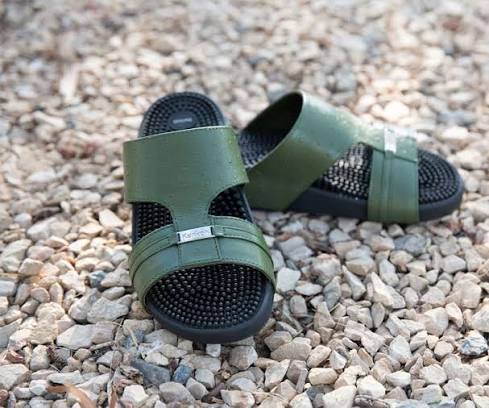
Kenkoh sells acupressure-engineered footwear positioned at the intersection of comfort retail and wellness retail, a category that has grown steadily in urban India as consumers shift spending toward health-linked everyday products. The brand targets working professionals, homemakers, and older buyers who experience foot discomfort from prolonged standing or walking, along with a smaller B2B segment that includes clinics, wellness centres, and corporate gifting buyers. Price positioning sits above mass-market footwear and below specialised orthopaedic or medical-grade brands, which gives the Kenkoh franchise a defensible middle ground: customers pay a premium for a therapeutic claim without paying clinical-product prices. With ten operational outlets after more than a decade in the Indian market, the network’s slow, deliberate expansion signals a brand that has prioritised unit profitability over rapid rollout, a detail that matters more to a serious investor than store count alone.
The Margin and Inventory Model
Footwear retail in India typically runs gross margins between 40 and 55 percent at the franchise level, and Kenkoh’s positioning as a specialised, lower-volume category brand places it toward the healthier end of that range rather than the discount end. Because the product relies on a proprietary nodule construction rather than fashion-driven styling, inventory does not face the same seasonal obsolescence risk that apparel-linked footwear brands carry. Franchisees typically purchase stock outright from the parent company rather than operating on a pure consignment basis, which means inventory risk sits with the franchisee, not the brand. This makes inventory planning a margin lever in itself: ordering too conservatively starves a small-format store of choice, while overordering ties up working capital in a low-footfall outlet. Clearance cycles in this category tend to be managed through periodic markdown windows rather than constant discounting, since steep, frequent discounting would undercut the premium-wellness positioning the brand depends on.
Store Economics: Revenue Per Square Foot and Monthly Fixed Costs
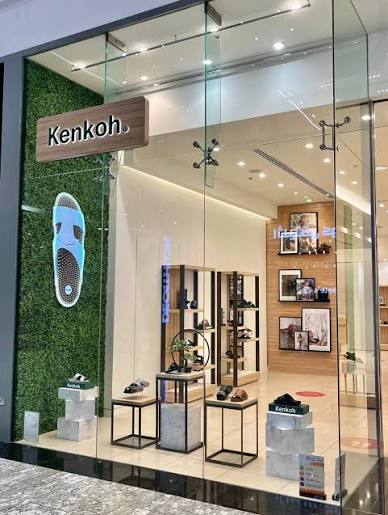
A 30 to 100 square foot Kenkoh outlet is a compact, footfall-dependent format, closer to a high-street kiosk than a department-style showroom, and its economics behave accordingly. Fixed costs for a store this size in a Tier 2 or Tier 3 Indian market generally include rent, two to eight staff salaries, royalty, electricity, and a recurring procurement outlay, and these typically need to clear somewhere between rupees one and two lakh per month before the owner sees a return. For a specialised wellness-footwear format, revenue per square foot in the range of rupees 800 to rupees 1,500 per day is a realistic operating benchmark for a stabilised store, though a new outlet will sit meaningfully below this during its first two to three quarters. Because the format is small, every square foot has to work harder than it would in a larger apparel store, which makes display merchandising and staff product knowledge disproportionately important to daily conversion.
The Investment Breakdown and What It Covers
The rupees 10 to 20 lakh investment range for a Kenkoh franchise is allocated across four broad buckets: store fit-out and fixtures suited to a compact format, opening inventory across the brand’s product range, the franchise licence and onboarding training fee, and a working capital buffer to absorb the first several months of operating losses before the store stabilises. Given the small area requirement, fit-out costs remain modest compared to larger retail formats, which means a larger proportion of the investment goes toward inventory and working capital than it would for a 500 square foot store. On the ongoing side, the franchisee carries monthly rent, staff wages for a lean team of two to eight, royalty payments to the brand, restocking costs, and statutory compliance under the trade licence and GST framework. None of these are unusual for Indian footwear retail, but their proportion relative to a small footprint is what determines how quickly the store reaches break-even.
Seasonality and Demand Peaks in This Category
Wellness footwear sees demand peaks that differ slightly from mainstream footwear retail. Festive season in October and November drives a general retail lift, but Kenkoh’s category also sees a secondary peak around winter, when cold-related foot discomfort and joint stiffness push buyers toward therapeutic footwear, and again in early summer when increased walking and standing aggravate existing foot conditions. Franchisees should plan inventory builds ahead of these windows rather than reacting to them, since restocking lead times from a Japan-linked supply chain are longer than for domestic footwear brands. Lean months, typically the monsoon period when footfall in physical retail drops broadly across categories, require tighter staff scheduling and a sharper focus on repeat customers and B2B orders to keep revenue from dipping too far below the stabilised average.
Online Competition and the Omnichannel Reality
Wellness and comfort footwear is increasingly bought online, and Kenkoh’s continued physical retail expansion only makes sense if the brand treats its website and digital presence as a complement rather than a competitor to franchise stores. In practice, this means the franchise store’s value lies in fitting, demonstration, and the ability to explain the acupressure mechanism in person, something a product listing cannot replicate as effectively for a first-time buyer. A franchisee should expect a share of local demand to research the product online before visiting the store, and should expect some direct-to-consumer order volume to exist alongside in-store sales rather than displacing it. Brands in this category that survive online pressure tend to be the ones whose physical stores function as trial and conversion points, not just transaction counters, and a Kenkoh franchisee’s ability to lean into that role will matter more over the next few years than it has so far.
Who This Retail Investment Suits
The investor profile that performs best here is the owner-operator who treats the store as an active business rather than a passive asset: someone present often enough to manage staff, monitor inventory turns, and build the local relationships, including B2B accounts, that drive repeat revenue in a niche category. A small retailer moving from an unbranded footwear shop into a branded model, or an experienced professional looking for a hands-on second business, fits this format well, since both bring either retail instincts or operating discipline to a store that cannot rely on heavy footfall alone. Investors who try to run this format remotely, hiring staff and checking in occasionally, consistently underperform the category average, because a 30 to 100 square foot specialised store depends on daily judgment calls about stock, service, and local demand that absentee ownership tends to miss.
Accepting franchise applications in 35 states & UTs

How much does it cost to open a Kenkoh franchise store?
The total investment for a Kenkoh franchise in India ranges from rupees 10 lakh to rupees 20 lakh, covering store fit-out, opening inventory, the franchise licence fee, training, and initial working capital.
What is the expected monthly revenue from a Kenkoh store?
Kenkoh does not publish standardised monthly revenue figures, and prospective franchisees should request store-level financial details directly from the brand during due diligence rather than relying on category averages alone.
Does Kenkoh provide inventory on credit or consignment to franchisees?
Franchisees typically purchase opening and replenishment inventory rather than operating on a consignment basis, which means inventory holding and clearance decisions are managed at the store level.
What is the Kenkoh franchise territory and exclusivity policy?
Territory and exclusivity terms are determined on a location-by-location basis during the franchise agreement stage, and applicants should confirm the specific terms for their target city before signing.
How many Kenkoh stores are currently operating in India?
Kenkoh currently operates ten franchise stores in India, a network that has expanded gradually since the brand entered franchising more than a decade ago, reflecting a measured rather than aggressive growth strategy.
Disclaimer: All scores, rankings, and estimates on ForeFind are independently produced editorial assessments using publicly available data and validated brand-submitted information. They are not verified facts, financial advice, or investment recommendations. Full Disclaimer.
