



About the brand
Kalaadi King Franchise
Brand & Franchise Snapshot
| Brand Name | Kalaadi King |
|---|---|
| Industry | Quick Service Restaurant (Cheese-Based Food Concept) |
| Founded | 2023 |
| Franchise Started | 2025 |
| Franchise Outlets | 1–10 |
| Estimated Investment | INR 5 Lakh – 10 Lakh |
| Franchise Fee | Typically covers brand licensing, setup guidance, and operational onboarding |
| Royalty Fee | Usually structured as a percentage of revenue to support brand and supply systems |
| Space Requirement | 100 – 300 sq. ft. |
| Staff Requirement | 2–5 personnel |
| Expected Payback Period | 1–2 years |
1. What is Kalaadi King?
Kalaadi King is a quick service food brand specializing in traditional milk-based cheese products and cheese-based snacks, operating within the QSR (quick service restaurant) and specialty dairy food franchise category.
The concept focuses on serving dishes made from Kalaadi (Kalari), a regional artisanal cheese, targeting customers looking for differentiated street-style and snack-based food experiences.
2. How the Business Works
The business operates as a small-format food outlet offering freshly prepared cheese-based snacks and meals.
Customer Journey
- Customers visit a kiosk or outlet for quick snacks or light meals
- Orders are prepared using pre-supplied or standardized Kalaadi cheese
- Food is served hot and ready-to-eat within minutes
Operational Workflow
- Storage and handling of cheese inventory
- Preparation through grilling, frying, or assembling dishes
- Quick order fulfillment with limited preparation time
Revenue Generation
- Sale of Kalaadi-based snacks and meals
- Add-on items such as beverages or sides
- High-margin specialty product positioning
3. Products or Services Offered
The offering is centered around Kalaadi cheese as the primary ingredient.
Core Product Categories
- Classic Kalaadi Cheese
Raw or minimally processed cheese for cooking
- Ready-to-Eat Kalaadi Snacks
Fried or grilled cheese portions served as snacks
- Fusion Food Items
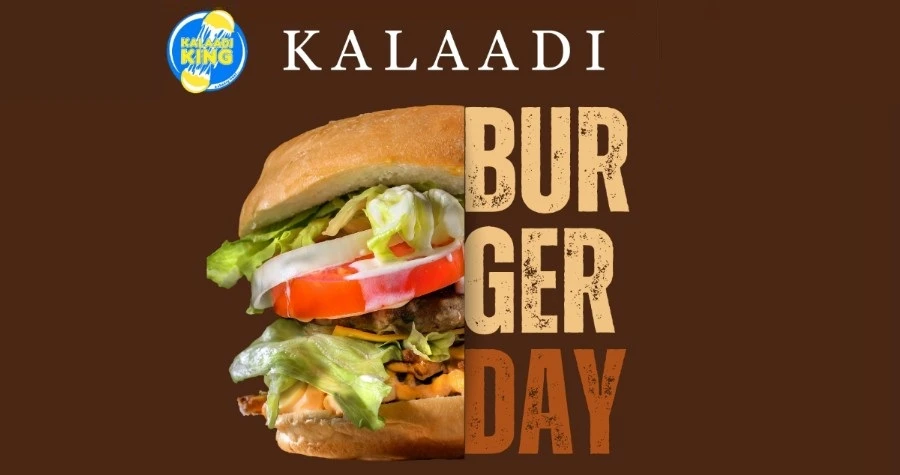
Burgers, sandwiches, wraps, and pizza toppings using Kalaadi
- Flavored Variants
Cheese infused with herbs and spices
Complementary Items
- Beverages and quick-service add-ons
- Street-style snack combinations
This focused menu allows for standardized preparation and quick service.
4. Franchise Structure and Operating Model
The franchise follows a product-focused QSR model with centralized sourcing and standardized preparation.
Franchise Partner Responsibilities
- Operating the outlet and managing staff
- Maintaining food quality and hygiene standards
- Managing daily sales and customer service
- Handling inventory and local promotions
Franchisor Responsibilities
- Supplying or standardizing core ingredients
- Providing recipes and preparation processes
- Supporting branding and store design
- Offering operational training and guidelines
This structure ensures consistency in product taste and preparation across locations.
5. Franchise Cost and Investment
The franchise falls in the mid-range QSR investment category.
Key Cost Components
- Brand licensing or franchise fee
- Outlet setup including kitchen equipment
- Initial inventory of raw materials
- Working capital for daily operations
Ongoing payments typically support brand use, supply chain access, and operational support systems.
6. Space and Setup Requirements
Kalaadi King outlets are designed for compact food service formats.
Space Details
Area: 100 – 300 sq. ft.
- Suitable for high-footfall areas such as markets, food courts, and street locations
Setup Requirements
- Cooking equipment (grills, fryers, preparation counters)
- Storage for dairy products
- Branded signage and serving counters
Staffing
- 2–5 staff members for preparation and service
7. Training and Franchise Support
Support focuses on food preparation consistency and operational efficiency.
Training Areas
- Handling and cooking of Kalaadi cheese
- Recipe standardization and portion control
- Hygiene and food safety practices
- Customer service and quick order handling
Ongoing Support
- Supply chain coordination
- Branding and marketing assistance
- Operational troubleshooting
These systems help maintain product consistency and service speed.
8. Revenue Model and ROI Factors
The model relies on specialty food positioning with repeat consumption potential.
Revenue Drivers
- Unique product offering in the QSR segment
- High margins on value-added cheese products
- Repeat visits driven by taste differentiation
- Location-based footfall
ROI Considerations
- Moderate investment with manageable operating costs
- Revenue influenced by daily sales volume and pricing
- Payback supported by strong margins and niche positioning
The expected payback period is approximately one to two years.
9. Brand Background and Expansion
Kalaadi King was established in 2023 with a focus on bringing a regional cheese product into mainstream food retail.
Franchising began in 2025, with early-stage expansion aimed at testing and scaling the concept across urban and semi-urban markets.
10. What Makes This Franchise Different
The concept is built around single-ingredient specialization, using Kalaadi cheese as the central product across all menu items.
Unlike typical QSR brands that offer broad menus, this model creates product identity through a regional specialty, enabling differentiation while maintaining operational simplicity and consistent taste profiles.
11. Key Advantages of the Franchise
- Unique product category within the QSR segment
- Focused menu simplifies operations
- Moderate investment with scalable format
- High-margin specialty food items
- Growing demand for regional and artisanal foods
- Compact outlet requirement
12. Who Should Consider This Franchise
This opportunity may be suitable for:
- First-time food entrepreneurs
- Investors looking for niche QSR concepts
- Operators interested in regional or specialty foods
- Individuals seeking compact outlet businesses
- Entrepreneurs targeting high-footfall retail locations
Frequently Asked Questions
What is the investment required for Kalaadi King franchise?
The investment typically ranges between INR 5 lakh and 10 lakh, covering setup, equipment, franchise fees, and initial working capital. This places it in the mid-range segment for quick service restaurant businesses.
How does the Kalaadi King franchise business operate?
The business operates through small-format outlets serving Kalaadi-based food items. Franchisees manage daily operations, while the brand provides standardized recipes, ingredient sourcing, and operational guidance to ensure consistency.
What space is required for the franchise?
A compact space between 100 and 300 sq. ft. is sufficient. The model is suitable for kiosks, food courts, or small retail outlets in high-traffic locations.
How long does it take to recover the investment?
The expected payback period is around one to two years. Recovery depends on location, daily sales volume, and operational efficiency.
How can investors apply for the franchise?
Investors can apply by contacting the brand and completing the onboarding process. This includes agreement signing, outlet setup, staff training, and operational launch with ongoing support from the franchisor.
Similar Franchise Opportunities
Entrepreneurs exploring QSR and snack-based food franchises may also consider:
- Wow! Momo
- Burger Singh
- Rolls Mania
- Giani’s
- Bikanervala
These brands operate in adjacent quick-service food categories, offering comparable business models with varying product focus.
Investment and financials
Investor fit profile
Franchise support
Brand strength
Licences and compliance
Gallery

Disclaimer: All scores, rankings, and estimates on ForeFind are independently produced editorial assessments using publicly available data and validated brand-submitted information. They are not verified facts, financial advice, or investment recommendations. Full Disclaimer.
