



About the brand
Kadaknath Franchise
Franchise Quick Facts
| Brand Name | Kadaknath India |
|---|---|
| Industry / Business Category | Poultry & Specialty Food Products (Black Meat Chicken) |
| Founded Year | 2012 |
| Franchise Started Year | Expansion through distribution and retail partnerships |
| Total Franchise Outlets | 100–200 |
| Estimated Investment | INR 50,000 – 2 Lakh |
| Franchise Fee | Typically represents brand onboarding and product authorization in livestock/food distribution models |
| Royalty Fee | Often embedded within product pricing margins in agri-food franchise systems |
| Space Requirement | 100 – 200 sq. ft. |
| Staff Requirement | 1–3 persons for handling inventory, sales, and basic operations |
| Expected Payback Period | 1–2 years |
1. What is Kadaknath India?
Kadaknath India is a specialty poultry and food products business focused on breeding, processing, and distributing Kadaknath chicken, a distinct black meat poultry breed. It operates within the agri-food and specialty protein segment, serving consumers, farmers, and food businesses seeking differentiated poultry products.
2. How the Business Works
The business combines poultry farming, processing, and distribution into a unified supply chain.
Operational workflow:
- Breeding and raising Kadaknath chickens under controlled conditions
- Processing and packaging meat, eggs, and value-added products
- Distribution through retail outlets, franchise partners, and online channels
- Supplying live birds and inputs to farmers and breeders
Customers interact through retail outlets, direct purchases, or distribution networks. Revenue is generated through sale of live poultry, processed meat, eggs, and related products.
3. Products or Services Offered
Primary Product Categories
- Live Kadaknath chickens for farming and breeding
- Fresh and frozen Kadaknath meat
- Kadaknath eggs
Value-Added Products
- Ready-to-cook meat items (sausages, marinated cuts, kebabs)
- Processed poultry products for retail consumers
Support Products
- Poultry feed and supplements
- Farming inputs for breeders
The product mix addresses both consumer demand and agricultural supply chain needs.
4. How the Franchise Model Works
The franchise operates as a retail and distribution model within the poultry supply chain.
Franchise partner responsibilities:
- Selling Kadaknath products through a local outlet or distribution network
- Managing storage, handling, and basic inventory
- Serving both retail consumers and local businesses
Franchisor responsibilities:
- Supplying certified Kadaknath products
- Maintaining breed quality and traceability standards
- Providing operational guidance for handling and selling poultry products
The model allows partners to participate in specialty livestock distribution without managing large-scale farming operations.
5. Franchise Cost and Investment Overview
Estimated Investment: INR 50,000 – 2 Lakh
Typical cost components include
- Initial inventory (live birds, meat products, or eggs)
- Basic cold storage or refrigeration setup
- Retail setup or small distribution unit
- Local logistics and delivery arrangements
In agri-food franchises, earnings are usually derived from product margins and sales volume rather than fixed service fees.
6. Space and Infrastructure Requirements
Space Requirement
- 100 – 200 sq. ft.
Setup Needs
- Refrigeration or cold storage for meat products
- Clean storage for eggs and packaged goods
- Basic retail or distribution counter
Location Considerations
- Residential neighborhoods
- Local markets or food clusters
- Areas with demand for fresh meat products
Staffing
- Small team for handling sales, storage, and customer interaction
7. Training and Franchise Support
Support systems typically include:
- Product handling and storage guidelines
- Training on poultry product sales and customer education
- Supply chain and inventory support
- Guidance on maintaining hygiene and quality standards
These systems ensure consistent product quality and safe handling practices, which are critical in food businesses.
8. Revenue Model and ROI Factors
Revenue Streams
- Sale of fresh and processed Kadaknath meat
- Sale of live birds and eggs
- Distribution to local retailers or food businesses
Key Demand Drivers
- Rising interest in high-protein and specialty food products
- Demand from health-conscious consumers
- Niche positioning of Kadaknath poultry
ROI Considerations
- Repeat purchase potential for food products
- Premium pricing relative to conventional poultry
- Efficient inventory turnover
The expected payback period is approximately 1–2 years, depending on local demand and sales efficiency.
9. Brand History and Expansion
Kadaknath India has been operating since 2012, focusing on standardizing and commercializing Kadaknath poultry products.
The brand has expanded through:
- Retail and distribution partnerships
- Supply to consumers and institutional buyers
- Development of large-scale farming infrastructure
Its presence across multiple outlets indicates a scalable distribution-driven growth approach.
10. What Makes This Franchise Different
This model differs from conventional poultry businesses by focusing on a single specialty breed with distinct biological characteristics.
Key operational distinction:
- Centralized breeding and quality control with decentralized distribution
- Product differentiation based on nutritional profile and breed uniqueness
- Integration of farming, processing, and retail supply chain
This creates a category-specific niche within the broader poultry market, rather than competing purely on price.
11. Key Advantages of the Franchise
- Entry into a specialty poultry segment with differentiated products
- Moderate investment compared to large-scale farming businesses
- Repeat demand driven by food consumption
- Flexible retail or distribution-based model
- Expansion potential through local market penetration
12. Who Should Consider This Franchise
- Entrepreneurs interested in agri-food or livestock-based businesses
- Small investors seeking low to moderate entry cost opportunities
- Retailers expanding into fresh or specialty food categories
- Individuals with access to local food markets or distribution networks
Similar Franchise Opportunities
- Suguna Foods
- Venky’s
- Skylark Hatcheries
- Godrej Tyson Foods
- Licious
Investment and financials
Investor fit profile
Franchise support
Brand strength
Licences and compliance
Gallery


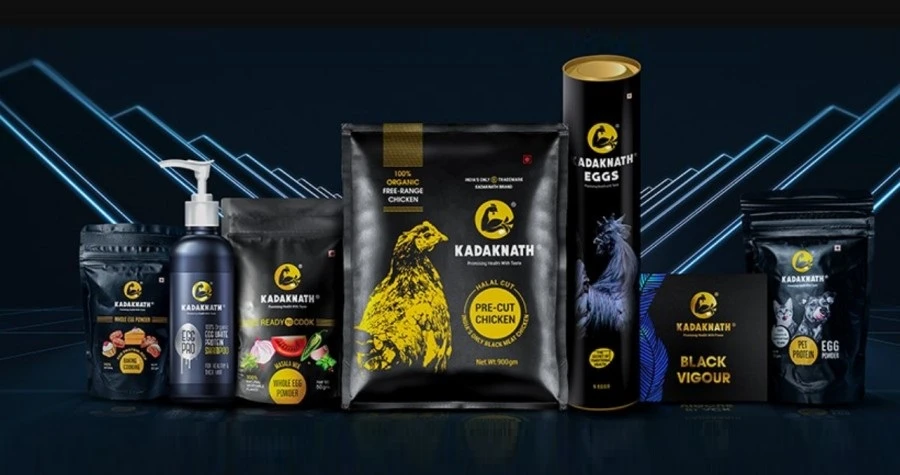

Frequently asked questions
The investment typically ranges between INR 50,000 and 2 lakh. This includes initial stock, basic storage infrastructure, and setup for retail or distribution operations. The model allows entry with relatively low capital compared to full-scale poultry farming businesses.
The franchise operates by sourcing certified Kadaknath products from the company and selling them through a retail or distribution channel. Revenue is generated from margins on meat, eggs, and live poultry, with repeat demand driven by regular consumption.
A compact space of around 100 to 200 sq. ft. is generally sufficient. The setup primarily requires storage, refrigeration, and a small retail or distribution counter, making it suitable for local markets or neighborhood locations.
The expected payback period is around 1 to 2 years. Recovery depends on local demand, pricing strategy, and how efficiently the franchise builds a consistent customer base and distribution network.
Investors can connect with the company to understand onboarding procedures, product supply terms, and territory availability. The process typically involves registration, initial procurement of inventory, and setting up a retail or distribution operation. ## Similar Franchise Opportunities
Disclaimer: All scores, rankings, and estimates on ForeFind are independently produced editorial assessments using publicly available data and validated brand-submitted information. They are not verified facts, financial advice, or investment recommendations. Full Disclaimer.
