



Jain Book Agency Franchise: Store Operations, Daily Management and What Owning This Business Looks Like
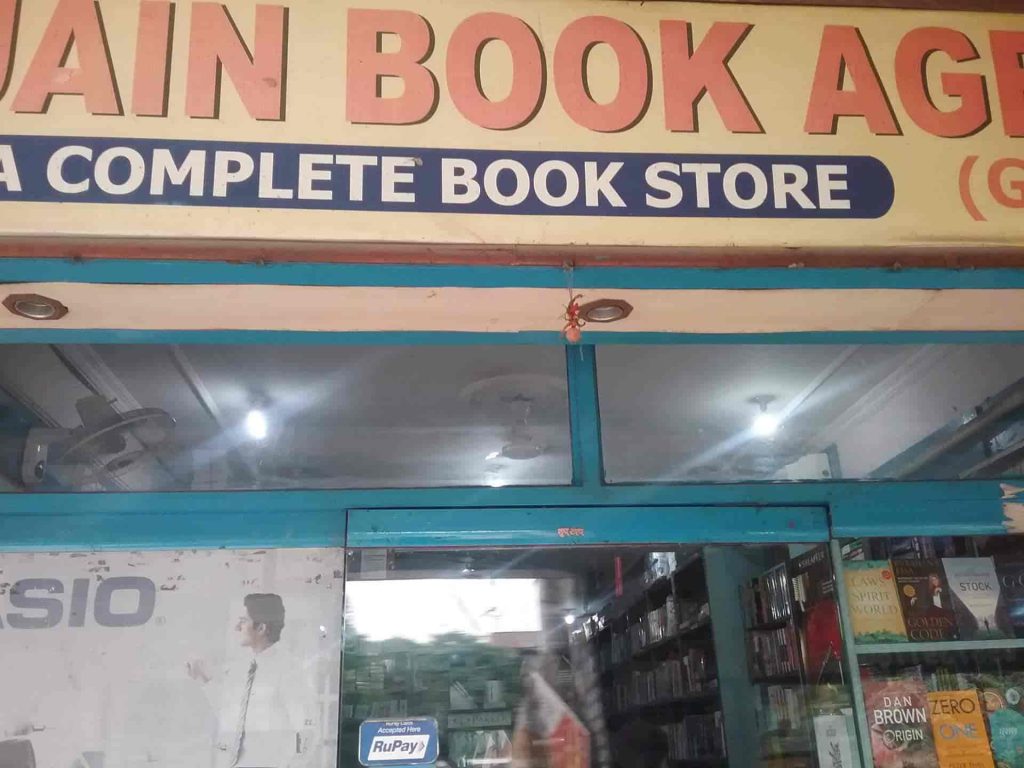
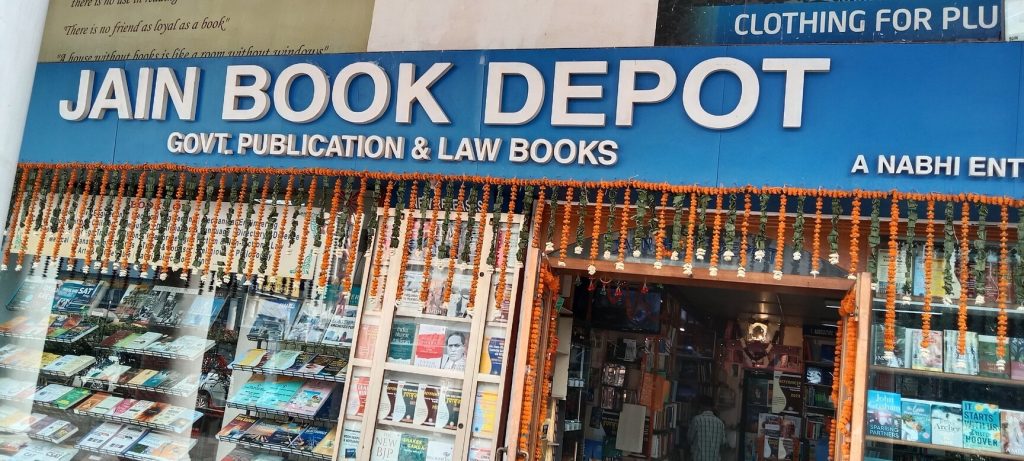
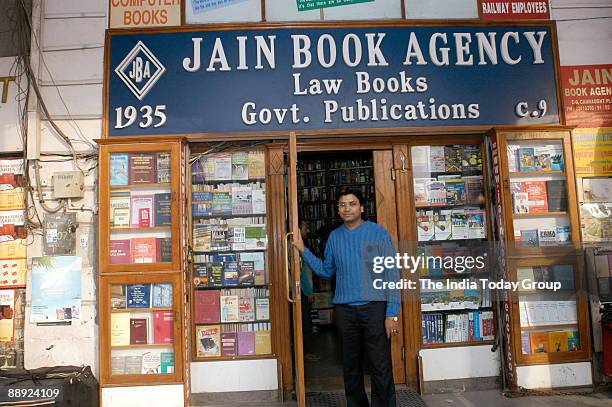
Founded in 1935 in Connaught Place, New Delhi, Jain Book Agency has spent nine decades building a reputation as one of India’s most authoritative sources for law, business, commerce, government publications, and institutional documentation. The brand holds the distinction of being the oldest and largest agent for government and institutional publications in India, and it is the first authorised printer and marketer of Indian government passport forms, taxation forms, and statutory legal documents. The Jain Book Agency franchise brings this heritage and specialist positioning to franchise partners, offering access to a product range — over fifty thousand titles across Indian law, business, economics, politics, education, trade directories, and commercial literature — that a new independent bookstore would take decades to assemble. For a franchisee imagining the daily reality of running one of these outlets, the operational character is fundamentally shaped by the specialised, professional nature of the customer base the brand serves.
What Jain Book Agency Sells and Who Buys It
The product range is built around the needs of professionals who use books as working tools rather than leisure pursuits: lawyers who need up-to-date legal commentaries and case compilations, business executives who require current company law and taxation references, exporters and importers who need trade and customs directories, government employees who need statutory forms and registers, and economists and policy researchers who work with current affairs and institutional publications. This professional buyer profile drives a repeat purchase dynamic that general bookstores rarely achieve: a lawyer who finds a reliable source for current law publications returns regularly as new editions are released, and the statutory forms and registers component generates transactional repeat business that has nothing to do with reading interest. Students in law and commerce programmes form a secondary segment with similarly structured, recurring demand tied to curriculum and examination cycles.
What Happens in a Jain Book Agency Store Every Day
The daily rhythm in a professional bookstore is quieter than a general retail format but more purposeful. Opening involves section organisation — legal and business titles, government publications, statutory forms, and directories each have specific sections — and checking the incoming order log against what is expected from the franchisor’s supply chain. Customer service in this format requires more active product knowledge than general retail: a lawyer asking for a specific statutory commentary or a business owner seeking a particular regulatory directory expects the staff member to locate the correct title rather than direct them to a self-browse section. Telephone and email orders — which the JBA brand has served through its mail-order operation — may form part of the franchise outlet’s business, adding an order processing and dispatch workflow alongside walk-in retail. POS reconciliation at close of day covers cash and digital payment totals alongside any statutory forms and stationery sold — a transaction category that is high-frequency and low-value per item but consistent.
Merchandise Planning, Display and Visual Standards
A professional reference bookstore’s visual standards differ from general retail: the primary requirement is organised findability rather than aspirational display. Titles must be shelved by subject with clear signage, current editions must be prominently distinguished from previous ones, and new publications from government bodies and major legal publishers need to be introduced to the display within days of receipt rather than weeks. The franchisor’s supply relationship with government publications and authorised statutory forms means that new material arrives at defined intervals — budget publications in February, new taxation forms at year-end, revised statutory registers during legislative cycles — and the franchisee needs to ensure these are in place and visible when professional customers come looking for them. Slow-moving inventory in a professional reference store is typically older editions superseded by current publications; the management approach and returns policy for these titles is confirmed through the franchise operating framework.
Staff Requirements and the Hiring Reality
Running a Jain Book Agency outlet requires two to six staff with a specific competency mix: domain knowledge of legal and business publications, the patience to help a customer locate a precise title in a large inventory, and the procedural accuracy for statutory form transactions where the wrong document has real consequences for the customer. In Tier 2 cities, candidates with law or commerce academic backgrounds are the most natural fit — they bring subject matter familiarity and can develop retail skills more quickly than the reverse. The challenge is that a staff member who performs well in this environment has a transferable skill set that law offices and corporate service firms will also seek. Franchisees who retain staff effectively combine competitive compensation with a working environment where the intellectual quality of the product and the professional calibre of the customer base are genuine sources of job satisfaction.
Supply Chain, Reordering and Inventory Management
The supply chain relationship in this franchise is with the franchisor’s established network — publishers, government publication bodies, the authorised statutory forms printing operation, and the directory and trade publication distributors that JBA has worked with for decades. This is a material advantage for a franchise partner: accessing authorised current editions of government publications and statutory documents requires official authorisation relationships that an independent would spend years establishing. Reordering for high-frequency statutory forms and stationery items operates on a replenishment model — stock levels are monitored and orders placed before stockouts rather than after. For specialist titles, minimum order quantities and lead times depend on the publisher’s stock and print run schedule, which the franchisor’s procurement team navigates on behalf of the network.
Brand Support: Marketing, Promotions and National Campaigns
JBA’s brand equity is primarily professional rather than consumer-facing — the name is known among legal professionals, corporate procurement teams, and institutional buyers who have used the brand for decades. For a franchise outlet, this means entering a market where the core customer segment already has some awareness of the JBA name through professional networks, institutional subscriptions, or direct mail-order purchases. The franchisor’s online platform — with a database of over fifty thousand books and online shopping capability — supports the franchise network’s visibility with customers who research titles digitally before purchasing. Local marketing at the franchise level typically involves direct outreach to nearby law firms, court complexes, chartered accountancy practices, commerce colleges, and government offices — the institutional relationships that generate consistent, recurring purchase volumes rather than one-time visitors.
Who Runs a Jain Book Agency Store Successfully
The franchisee who builds a profitable Jain Book Agency outlet understands the professional landscape their customers inhabit — the legislative changes that trigger demand for new legal editions, the taxation filing periods that spike statutory form requirements, and the academic calendars that drive commerce and law student purchasing. They are present during peak demand periods — budget season, examination preparation months, and major legislative amendments — when professional customers need reliable access to current publications and cannot wait for delayed restocking. Investors who delegate all store management to a hired team from day one consistently struggle with this format because the professional customer base’s trust is built through personal knowledge and prompt service, not through passive retail presentation, and a hired manager without domain engagement rarely provides the same quality of professional guidance that retains the high-value institutional clients the Jain Book Agency franchise depends on for consistent revenue.
What space is required for a Jain Book Agency franchise store?
The space requirement is discussed during the franchise inquiry process based on the specific location and the breadth of the product range the franchisee intends to stock. A professional reference store focusing on law, business, and statutory forms can operate effectively in a smaller high-street space than a general bookstore, because the product range is narrower and the display format is organised by subject section rather than requiring wide browsing aisles. The location should prioritise proximity to the professional customer base — court complexes, commercial districts, law colleges, or chartered accountancy clusters — over space size.
How long does the setup process take for a Jain Book Agency store?
Setup timelines depend on three variables: space readiness, initial inventory procurement and organisation, and staff recruitment and training. A professional reference bookstore's setup is less design-intensive than a consumer retail format — the primary fit-out requirement is shelving capacity and clear subject signage. The critical path typically runs through the initial inventory order, which for a store covering law, government publications, statutory forms, and business directories across multiple publishers requires coordinated procurement from several supply relationships. Franchisees should plan for six to ten weeks from lease signing to opening readiness.
What product training and retail operations training does Jain Book Agency provide?
Training covers the product range — the categories of law, business, and statutory publications; how to identify and locate correct titles for customer requests; how to manage statutory forms and register transactions; and how to navigate the franchisor's supply chain for reordering. Retail operations training addresses daily store management, POS procedures, stock level monitoring, and customer service standards for a professional clientele. The domain knowledge component is the most critical and the most differentiated from general retail training — a franchisee who understands the structure of Indian legal publishing and statutory documentation serves professional customers significantly more effectively than one who treats the inventory as general retail product.
Can a Jain Book Agency store be run semi-absentee with a store manager in place?
A capable store manager with domain knowledge of legal and business publications can handle daily operations once the store is established and the institutional client relationships are stable. The initial period — typically the first year — is where the franchisee's direct involvement in professional community outreach, institutional account development, and product knowledge is most valuable. Franchisees who move to semi-absentee management too early typically find that institutional client relationships weaken without the owner's personal engagement, which reduces the recurring purchase volume that makes the professional reference format financially viable.
How does Jain Book Agency support franchisees during festive season demand peaks?
In professional reference publishing, demand peaks are less tied to festive seasons and more tied to regulatory and academic calendars: budget and taxation form demand peaks in February and around financial year-end, examination-related demand for law and commerce students spikes before April and November assessments, and major legislative amendments create sudden demand for updated legal editions throughout the year. The franchisor's supply chain relationships with government publication bodies and legal publishers allow for advance stock procurement ahead of known demand events, and franchise support covers guidance on how to anticipate and prepare for these cycles rather than respond to them after the demand has passed.
Disclaimer: All scores, rankings, and estimates on ForeFind are independently produced editorial assessments using publicly available data and validated brand-submitted information. They are not verified facts, financial advice, or investment recommendations. Full Disclaimer.
