



Intercontinental Cyclobikes Llp Franchise: Workshop Investment, Revenue Per Vehicle and Return Timeline
Operating under the CYCLOBIKE brand and established in 2013, Intercontinental Cyclobikes Llp has built a growing network of ten franchise outlets focused on electric bicycle retail and service — a product category that sits at the intersection of two structural growth trends in India: urban mobility demand and the accelerating transition toward electric personal transport. The Intercontinental Cyclobikes Llp franchise offers one of the lowest entry investment thresholds in the organised e-bike retail category, with a setup cost structure specifically designed to be accessible to salaried professionals, young entrepreneurs, and small business owners who want exposure to the EV segment without the capital requirements of larger automotive franchises.
About Intercontinental Cyclobikes Llp
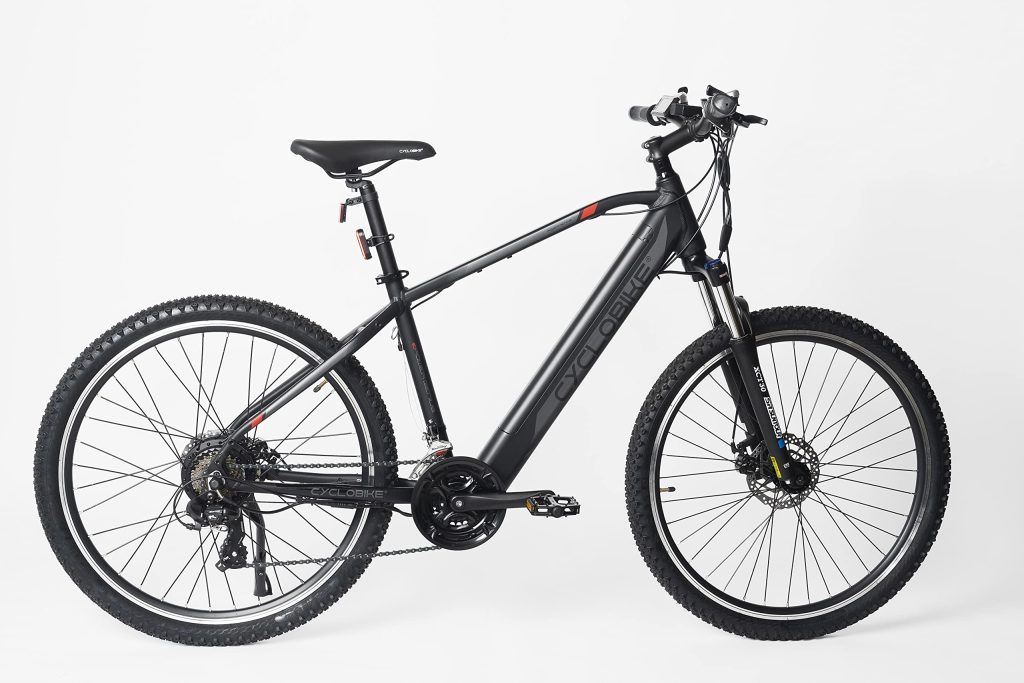
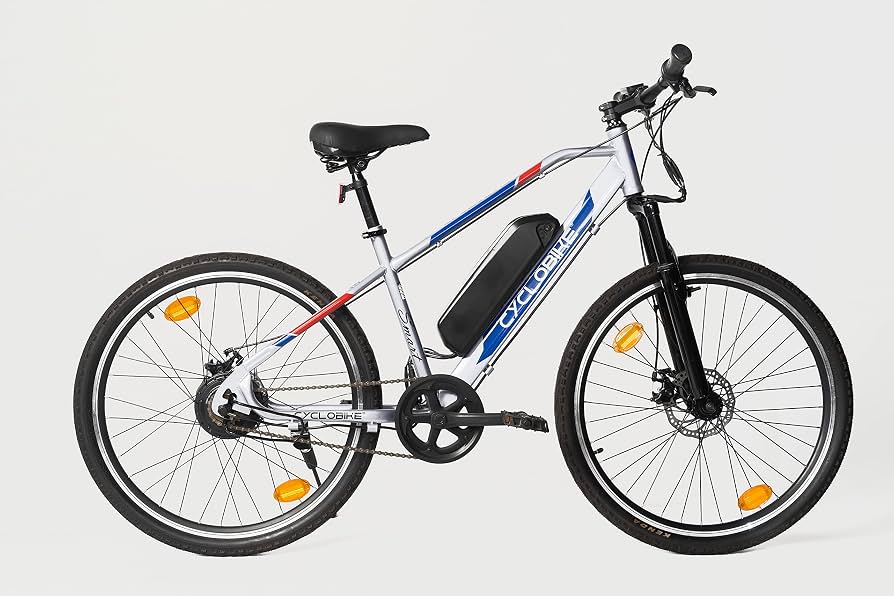
CYCLOBIKE manufactures and retails electric bicycles for the urban commuting segment, with a product line built around Panasonic long-life lithium cells and warranted electrical components — a product quality commitment that addresses one of the most common consumer concerns about e-bikes: battery replacement cost and reliability. The franchisee’s role is to sell and service these electric bicycles in their local market, functioning as the brand’s authorised retail and after-sales point. India’s urban mobility landscape provides the structural context for why demand is growing: fuel cost pressure, worsening traffic congestion in Tier 1 and Tier 2 cities, and a growing fitness and sustainability consciousness among working-age urban professionals have collectively expanded the addressable market for electric bicycles beyond the early-adopter segment into mainstream urban commuter consideration.
Revenue Per Vehicle and Daily Throughput Economics
The revenue economics of an e-bike retail and service outlet divide between product sales and after-sale service. An electric bicycle sale generates the highest single-transaction revenue — CYCLOBIKE products sit in the INR 25,000 to 60,000 range depending on specification, with retail margins that the brand describes as significantly above conventional bicycle competition. Service jobs on e-bikes are a mixed revenue stream: basic mechanical work (tyres, brakes, cables) generates INR 300 to 1,000 per job, while electrical service — battery diagnostics, motor checks, controller assessment — generates INR 800 to 3,000 depending on the work required. A 500 to 1,000 square foot outlet with two to four staff can realistically handle four to eight service visits per day alongside sales activity, with daily throughput constrained more by customer acquisition speed in the early months than by service bay capacity. The e-bike category’s higher average transaction value per service job — because electrical system work carries higher labour and parts value than conventional bicycle repairs — means revenue per vehicle is more favourable than a conventional cycle shop of comparable size.
Investment Breakdown: Equipment, Setup, and Working Capital
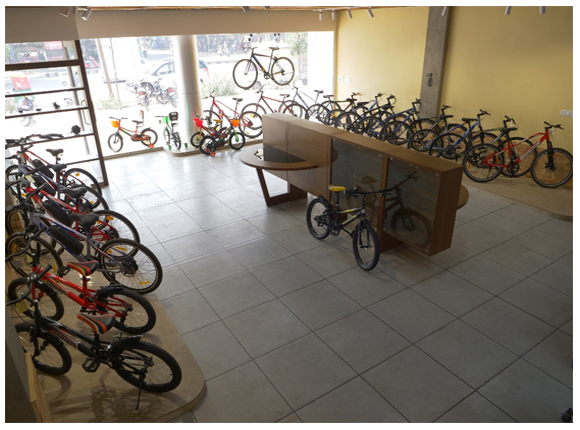
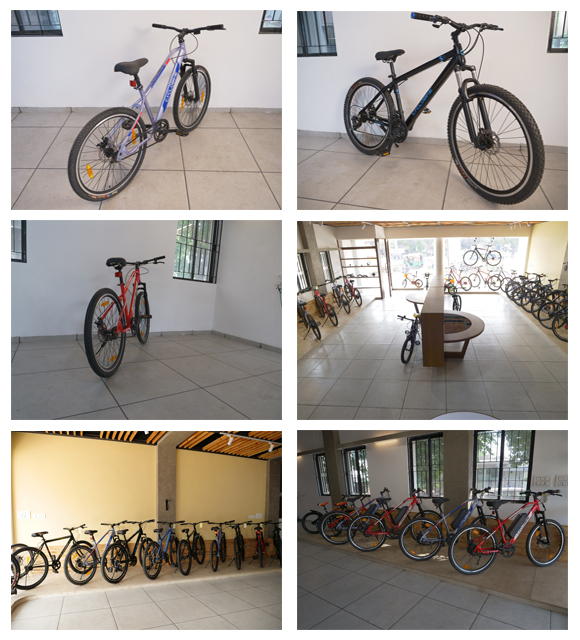
The investment range of INR 10,000 to 50,000 makes this one of the lowest-capital franchise entry points across any organised automotive category in India. This covers the initial setup essentials: basic shopfitting and display for 500 to 1,000 square feet, fundamental service bay tooling for bicycle mechanical and basic electrical work, an opening demonstration inventory of CYCLOBIKE models, and the brand authorisation cost. The very low capital requirement is achievable because the product line is focused — a single-brand e-bike franchise requires less inventory depth than a multi-brand showroom — and because the service equipment for e-bikes, while more technical than conventional bicycles, does not require the heavy diagnostic machinery associated with motor vehicle workshops.
Monthly operating costs are proportionally contained by the format’s scale. One or two service-capable staff alongside the owner, a modest lease for 500 to 1,000 square feet in a residential high-street location, and product replenishment as inventory sells form the primary monthly obligations. The low overhead structure is what makes the six to twelve month break-even timeline achievable at this investment level.
The AMC and Repeat Business Model
Annual Maintenance Contracts are commercially logical for e-bike owners in a way that is arguably stronger than for conventional bicycle owners, because the consequence of an electrical system failure is more disruptive — the vehicle is effectively unusable until the fault is resolved. An CYCLOBIKE AMC covering scheduled mechanical service, battery health checks, electrical system inspection, and priority service turnaround can be priced at INR 2,000 to 4,000 per year per vehicle, reflecting the combined value of mechanical and electrical service scope. For a franchisee with thirty to fifty active e-bikes sold into their catchment, an AMC offering that converts even half of those customers into contract relationships generates a monthly recurring revenue floor that is independent of new sales activity. This recurring component is structurally more important for an e-bike franchise than for a conventional bicycle outlet because the electrical maintenance cycle creates a genuine annual service event that owners are motivated to prepay for.
Break-Even and What Drives the Timeline
The six to twelve month break-even window assumes a franchisee who actively builds both retail sales and service revenue from the opening month. At the faster end, the key variables are location quality — a residential catchment with high urban commuter density and genuine traffic congestion creates organic interest in e-bikes as a practical transport solution — and the franchisee’s personal network. An investor who already has relationships with corporate offices, gated residential communities, or cycling clubs in their area can convert those relationships into bulk purchase conversations that retail-only walk-in traffic cannot match. At the slower end, a franchisee in a low-density catchment who is building brand awareness from zero may take the full twelve months to accumulate sufficient sold units to generate the service revenue base that covers monthly costs. The critical operational variable is that the business cannot be treated as passive — a physical retail location for a still-emerging product category requires active community engagement to generate the product trial and word-of-mouth that conventional bicycle shops benefit from automatically.
Regulatory Compliance and Authorization Requirements
An Intercontinental Cyclobikes Llp franchise operates under a straightforward compliance framework. A trade licence from the local municipal authority is the primary requirement, with Shops and Establishments Act registration applicable in most states. Electric bicycles in India are categorised below the threshold that triggers motor vehicle registration requirements, which means franchisees do not need the pollution check certification or road worthiness infrastructure associated with motor vehicle dealers. GST registration is required once annual turnover crosses the applicable threshold — at the mid-range of this outlet’s revenue potential, this threshold is likely reached in the first or second year. The brand authorisation from CYCLOBIKE as the manufacturer covers the franchisee’s right to sell and service the product line in their designated territory.
Who This Automotive Investment Suits
The Intercontinental Cyclobikes Llp franchise is specifically structured for investors at the lower end of the capital spectrum: salaried professionals seeking a side income business, young entrepreneurs with limited capital but genuine interest in the EV mobility space, and small business owners who want to add a new category alongside an existing operation. The product’s urban commuter positioning means catchment selection matters significantly — a location near residential societies with significant daily commuter traffic, near corporate parks, or adjacent to educational institutions with cycling-active populations generates organic interest that a low-traffic location cannot compensate for through advertising. Investors without any existing connection to the local cycling or commuter community consistently struggle to build sufficient daily sales and service throughput to reach break-even at the faster end of the timeline, because the primary driver of new e-bike sales in an emerging category is personal recommendation from an existing user — and building that recommendation chain requires the franchisee to be an active, visible presence in the community rather than a passive retail operator.
How much does an Intercontinental Cyclobikes Llp franchise cost in India?
The initial investment range is INR 10,000 to 50,000, making it one of the most accessible entry points in the organised electric bicycle retail category. This covers basic setup, opening inventory of demonstration models, service bay tooling, and brand authorisation costs. The very low capital threshold reflects the focused single-brand model and the compact operational footprint, rather than a reduced service offering — the franchisee receives the full CYCLOBIKE product and service system within this investment.
How many vehicles does an Intercontinental Cyclobikes Llp outlet service per day on average?
A mid-maturity CYCLOBIKE outlet in a well-chosen catchment typically handles three to eight service visits per day, combining both mechanical and electrical service jobs. The throughput at this level is lower than a conventional high-volume cycle shop because e-bike service jobs take longer and generate higher revenue per job — the tradeoff is intentional. New outlets in the first three to six months will handle fewer service visits while building their sold-vehicle base, since service demand is directly proportional to the number of CYCLOBIKE e-bikes in the surrounding catchment.
What is the expected monthly revenue from an Intercontinental Cyclobikes Llp franchise?
Monthly revenue figures are shared through the inquiry process. The category economics for a focused e-bike retail and service outlet of this format suggest that a centre with steady sales volume and an active AMC customer base generates monthly revenue sufficient to support the six to twelve month break-even on the low investment range. Franchisees who build both the retail and recurring service components achieve a more stable monthly revenue profile than those who depend entirely on new vehicle sales, which are more season-sensitive.
Does Intercontinental Cyclobikes Llp provide equipment and tools as part of the franchise?
The brand provides product supply — CYCLOBIKE e-bikes, components, and accessories — as the primary operational resource. Service bay tooling requirements are specified through the franchise setup guidance, and some equipment may be provided through the brand's supplier relationships. The low investment range reflects a lean setup approach, and franchisees should confirm the specific equipment provision through the onboarding process. The service tooling for e-bikes adds basic electrical diagnostic tools — multimeter, battery tester, connector tools — to the standard bicycle mechanical set.
What technical training does Intercontinental Cyclobikes Llp provide to franchisees?
Training covers CYCLOBIKE product knowledge across the e-bike range, mechanical service procedures, and basic electrical system maintenance — battery health assessment, motor function checks, controller diagnostics, and charging system verification. The training is designed for franchisees without prior e-bike technical experience, building from the mechanical baseline that most technically inclined candidates bring. The warranted components and Panasonic battery specification mean that franchisees can confidently discuss the product's quality credentials with customers as part of the sales process, which is a meaningful training component in a category where consumer scepticism about battery reliability remains a purchase barrier.
Disclaimer: All scores, rankings, and estimates on ForeFind are independently produced editorial assessments using publicly available data and validated brand-submitted information. They are not verified facts, financial advice, or investment recommendations. Full Disclaimer.
