



Iact Education Pvt. Ltd. Franchise: Running an Education Centre and What Daily Operations Look Like
The Iact Education Pvt. Ltd. franchise sits in a segment of Indian education that rarely gets discussed honestly: the computer and vocational training space that has quietly served millions of students in Tier 2 and Tier 3 cities since long before edtech became fashionable. For someone considering this franchise, the real question is not just about investment amounts — it is about what the work actually looks like, who the students are, and what determines whether a centre fills up or stagnates.
What Iact Education Pvt. Ltd. Teaches and Who Attends
IACT’s curriculum is anchored in practical computer skills and IT-adjacent training — the kind that helps a student in a small town secure their first office job, qualify for a government exam requiring digital literacy, or upgrade their employment prospects after completing a conventional degree. Courses typically span basic computing, office productivity software, tally and accounting applications, and structured programming or networking modules at the advanced end.
The student population is genuinely mixed. A seventeen-year-old preparing for a data entry role sits alongside a thirty-two-year-old who needs an accountancy software certificate for a promotion. Housewives looking to develop employable skills, school dropouts bridging educational gaps, and fresh graduates who feel underqualified for the digital economy — all of these students make up a functioning IACT batch. This diversity is commercially useful: enrolment does not depend on a single demographic cycle.
The learning journey from enrolment to certification follows a defined path. Students complete a course module, sit for IACT’s internal assessments, and receive a nationally recognised certificate upon passing. For many students in smaller markets, this certificate carries real weight with local employers, which is a meaningful part of why families choose the centre over cheaper online alternatives.
Running a Iact Education Pvt. Ltd. Centre Day to Day
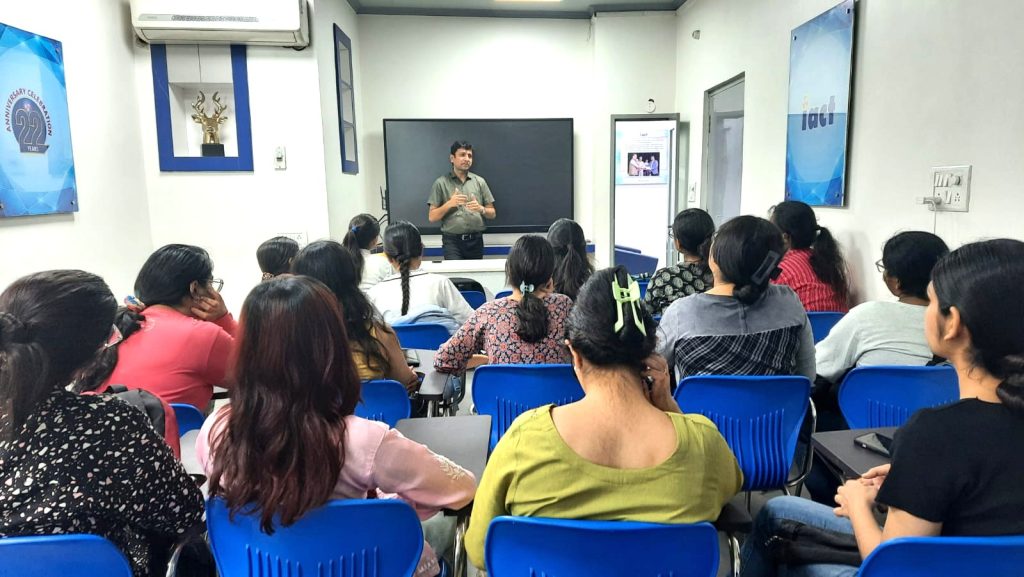
A typical operating week at an IACT centre is less like managing a classroom and more like running a small service business with predictable peak hours. Morning batches often draw students who are free before noon — housewives, school-leavers, and the unemployed. Evening batches skew toward working adults and students attending school in the morning. The franchisee’s job is to build a schedule that fills both windows, which requires some trial and error in the first two months.
What actually consumes the franchisee’s time is not teaching — teachers handle that — but coordination: tracking which students are falling behind and may need batch reassignment, managing teacher schedules when someone calls in sick, following up with parents on fee dues, and handling the steady flow of enquiries from walk-ins and referrals. A franchisee who is present three or four hours a day during peak hours can stay on top of operations, but absence during enrolment season is where centres lose prospective students to competitors.
Quality monitoring is largely self-managed at the centre level. The franchisee reviews student attendance reports, monitors assessment pass rates by batch, and ensures that teaching resources — software licences, printed materials, practice sets — remain current. IACT’s support framework provides structured checkpoints, but the day-to-day quality of instruction comes down to who the franchisee hires and how well they have been onboarded.
Student Acquisition: How Parents Find and Choose Iact Education Pvt. Ltd.
Filling seats in the first quarter is the hardest part of running any coaching centre, and IACT franchisees are not exempt from this reality. The brand’s network size means there is some name recognition in markets where IACT has operated for years, but in a new locality, a franchisee is effectively building awareness from scratch. The franchisor provides marketing collateral, digital tools, and brand assets — but the hyperlocal work of getting known belongs to the centre owner.
The most effective acquisition channels for IACT centres have consistently been word-of-mouth referrals, tie-ups with nearby schools for after-hours programmes, and community outreach at local events. A franchisee who attends the neighbourhood residents’ association meeting, places a banner at the local coaching cluster, or offers a short free workshop at a school festival will generate more enquiries in month two than any paid advertisement. A realistic enrolment target for month one is eight to fifteen students; by month six, a centre with active local engagement should be sustaining thirty to fifty active enrolments across batches.
Walk-in conversions depend heavily on how the franchisee — or a trained centre coordinator — handles the first conversation with a parent. Explaining the difference between IACT’s structured certification and an informal YouTube-based course is often the deciding factor for a cautious parent. Centres that invest time in this consultative enrolment conversation convert at meaningfully higher rates than those that simply quote fees and hand over a brochure.
Teacher Hiring, Training, and the Retention Challenge
Most IACT centres operate with two to four teaching staff, depending on the number of active batches. In a Tier 2 city, the candidate pool for computer trainers is wider than many franchisees expect: B.Sc. Computer Science graduates, BCA holders, and even diploma-level IT students who have been working for a year or two are competent enough to handle beginner and intermediate IACT modules. The salary expectations of these candidates are reasonable at the entry level, which keeps staffing costs manageable.
IACT provides a structured trainer onboarding programme that covers curriculum delivery, assessment methods, and the software environment used in its courses. A new teacher with a relevant educational background and basic subject fluency can independently manage a beginner batch within three to four weeks of induction. The challenge is not finding someone who can teach — it is retaining them once they have been trained and have gained confidence. Teachers who discover they have market value often move on within a year, making periodic rehiring a normal part of running the centre. Franchisees who pay slightly above the local going rate and involve teachers in student outcome tracking tend to see longer tenures.
Infrastructure, Technology, and Centre Setup
The physical setup of an IACT centre is genuinely simple by franchise standards. A space between 600 and 1,500 square feet — legally permitted for educational use — is sufficient for a functional centre. The classroom arrangement needs enough desk space for individual computer workstations, a projector or display screen, and adequate lighting. There is no requirement for elaborate interior design: clean, organised, and well-lit is the target.
The franchisee is responsible for procuring computers, furniture, and any air conditioning or basic infrastructure. IACT supplies the curriculum materials, software licences, branding elements, and the assessment and certification platform. If a franchisee is already running any kind of educational or computer-related operation from a space, the incremental setup cost drops significantly. For someone starting fresh, the capital goes into machines and basic setup rather than structural renovation, which keeps the entry barrier low.
Ongoing Support After the Centre Opens
After the first 90 days, IACT’s support structure shifts from setup-focused to operational. The franchisor conducts periodic academic reviews, provides updates when curriculum modules are revised, and runs national-level marketing campaigns that benefit the brand as a whole. Technology upgrades to the learning and assessment platform are rolled out across the network, so franchisees are not responsible for independently maintaining the digital infrastructure.
When an operational problem arises — a student dispute, an examination irregularity, a software access issue — IACT’s support team is the first point of contact. Response quality may vary by the nature of the issue, but the franchise structure ensures there is a defined escalation path rather than leaving the franchisee to resolve everything independently. Field visits from IACT representatives occur on a scheduled basis, and franchisees with performance concerns or expansion questions can initiate contact outside these cycles.
Who Runs a Iact Education Pvt. Ltd. Centre Successfully
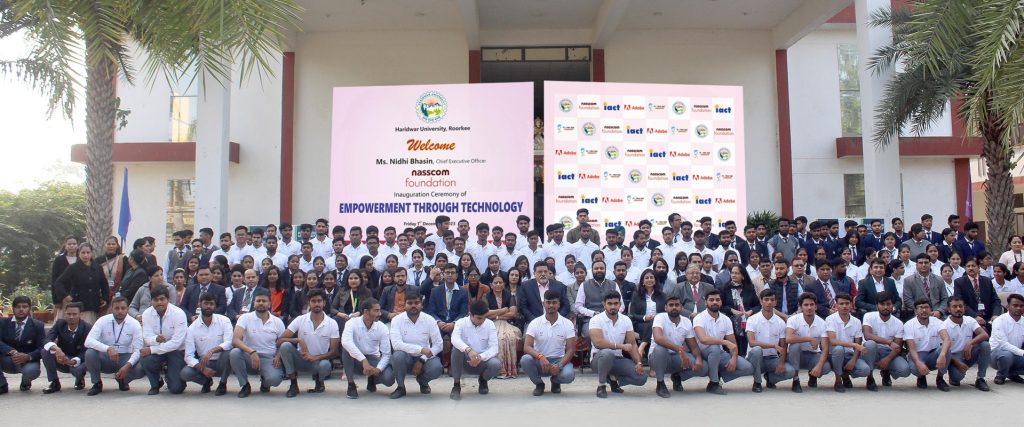
The franchisee who builds a consistently full IACT centre is almost always someone who is already embedded in the local community — a former teacher, a parent known at the neighbourhood school, or a professional who has lived in the same area for years. This pre-existing trust shortens the enrolment cycle dramatically. It is not about having a background in business; it is about being the person families naturally consult when they want to know where to send their child for computer training.
Subject expertise helps, but is not essential — teachers handle instruction. What matters more is the franchisee’s patience with the first four months, which are almost universally slower than expected, and a willingness to show up in the community before there is any financial return to justify the effort. The franchisee who treats this like a passive income investment from day one consistently underestimates how much community-building the early enrolment phase demands.
Accepting franchise applications in 35 states & UTs


How much space is required to open a Iact Education Pvt. Ltd. centre?
A functional IACT centre needs a carpet area of at least 600 square feet, with larger setups running up to 1,500 square feet for multi-batch operations. The space must have legal permissions for running a computer training or educational facility. Ground floor locations with street-level visibility help with walk-in enquiries, but upper floors in a well-known building work too, provided signage is visible.
How long does it take to set up and open a Iact Education Pvt. Ltd. franchise?
For a franchisee who already has a suitable space, the setup process — including registration, material delivery, technology configuration, and staff training — typically takes four to eight weeks. If a new space needs to be identified and prepared, add two to four weeks. The setup complexity is low compared to most education franchise formats, and IACT's team guides franchisees through each step from agreement to launch.
What curriculum and teaching materials does Iact Education Pvt. Ltd. provide?
IACT supplies course modules, student workbooks, assessment question banks, and access to its digital learning and examination platform. The curriculum covers foundational computing through to more advanced IT certification tracks. Updates to course content are distributed through the franchisor as industry requirements evolve, so franchisees are not responsible for developing or independently sourcing teaching material.
Can a Iact Education Pvt. Ltd. centre be run without the owner being present daily?
Yes — and many franchisees operate this way once the centre is past its initial enrolment phase. With two to three reliable teaching staff in place and a centre coordinator managing daily logistics, the owner-franchisee can reduce their physical presence to a few hours a day or shift to a weekly oversight role. The first six months, however, benefit from more direct owner involvement, particularly around student acquisition and staff stabilisation.
How many Iact Education Pvt. Ltd. centres are operating in India currently?
The IACT network has grown to somewhere between 500 and 1,000 operating centres across India, built over more than a decade of franchising. This scale reflects a genuinely distributed footprint rather than concentration in a few large cities — IACT has expanded into smaller towns and semi-urban markets where demand for affordable, certification-backed computer training remains high and organised competition is limited.
Disclaimer: All scores, rankings, and estimates on ForeFind are independently produced editorial assessments using publicly available data and validated brand-submitted information. They are not verified facts, financial advice, or investment recommendations. Full Disclaimer.
