



Green Station Franchise
Franchise Quick Facts
| Brand Name | Green Station |
|---|---|
| Industry / Business Category | Organic Products Retail & Distribution |
| Founded Year | 2019 |
| Franchise Started Year | 2020 |
| Total Franchise Outlets | 1–10 |
| Estimated Investment | INR 20 Lakh – 30 Lakh |
| Franchise Fee | INR 2,00,000 |
| Royalty Fee | 18% |
| Space Requirement | 600 – 700 sq. ft. |
| Staff Requirement | Typically 2–4 employees depending on store format |
| Expected Payback Period | 8–9 months |
1. What is Green Station?
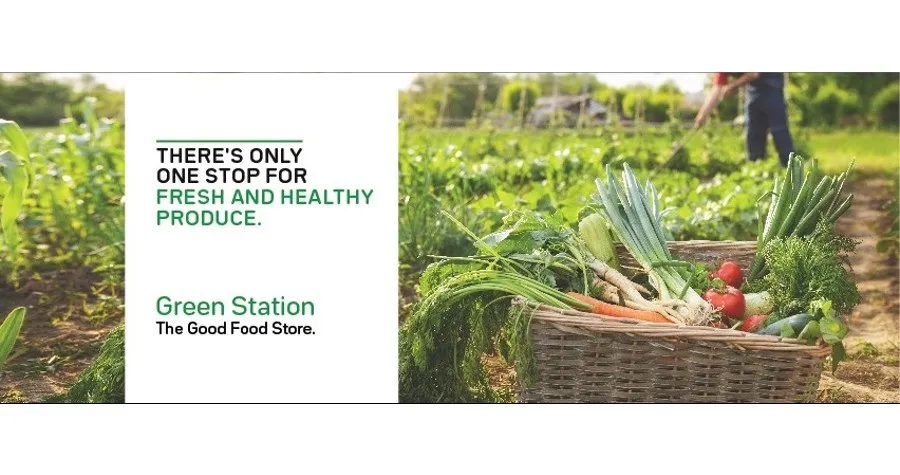
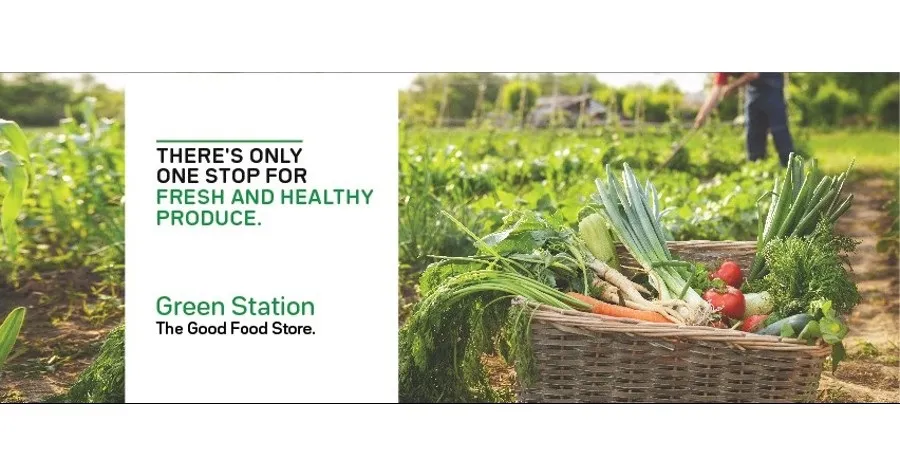
Green Station is an organic food retail and distribution brand operating in the health food and sustainable agriculture segment, offering natural and organic produce sourced directly from farms.
The franchise falls within the organic grocery and health-focused retail category, serving consumers seeking fresh, chemical-free food products through physical outlets and mobile distribution formats.
2. How the Business Works
The business operates through a combination of retail outlets and mobile distribution models. Customers can purchase organic food products from stores or through mobile units designed to reach different neighborhoods.
Daily operations involve sourcing products from farmers, maintaining inventory, displaying fresh produce, and serving walk-in or local customers. Revenue is generated through direct product sales, with demand driven by increasing awareness of health and nutrition.
3. Products or Services Offered
Core Product Categories
- Fresh organic fruits and vegetables
- Natural food products sourced from farms
Additional Offerings
- Packaged organic food items
- Farm-sourced produce with minimal processing
Distribution Channels
- Physical retail outlets
- Mobile retail units (truck-based sales model)
The product mix focuses on freshness, traceability, and farm-to-consumer supply chains.
4. How the Franchise Model Works
Franchise Partner Role
- Operate a retail outlet and manage local sales
- Maintain product quality and inventory
- Execute local marketing and customer engagement
Operational Responsibilities
- Daily store operations and product handling
- Customer service and sales
- Managing supply coordination with the brand
Franchisor Support
- Product sourcing network
- Brand identity and marketing guidance
- Operational training and ongoing assistance
The model combines retail store management with supply chain integration, ensuring consistent product availability.
5. Franchise Cost and Investment Overview
| Investment Range | INR 20 Lakh – 30 Lakh |
|---|---|
| Franchise Fee | INR 2,00,000 |
| Royalty Fee | 18% |
Investment Components
- Store setup and interior infrastructure
- Initial inventory procurement
- Branding and signage
- Working capital for operations
This investment structure reflects a mid-scale retail franchise with recurring supply chain costs and revenue sharing.
6. Space and Infrastructure Requirements
Space Requirement: 600 – 700 sq. ft.
Location Preferences
- Residential neighborhoods
- High footfall urban areas
- Locations near health-conscious consumer segments
Infrastructure Needs
- Display units for fresh produce
- Storage and refrigeration (if required)
- Billing and inventory systems
Staffing
- Typically 2–4 staff for daily operations
The setup is designed for small-format retail with fresh inventory turnover.
7. Training and Franchise Support
| Operational Training | Store management and inventory handling |
|---|---|
| Supply Chain Support | Access to farm-sourced products |
| Marketing Support | Local campaigns and brand positioning |
| Business Guidance | Ongoing operational assistance |
These systems help franchisees maintain product quality and consistent customer experience.
8. Revenue Model and ROI Factors
Revenue Streams
- Retail sales of organic produce
- Repeat purchases from regular customers
Demand Drivers
- Growing interest in organic and chemical-free food
- Rising health awareness among urban consumers
- Preference for locally sourced products
Cost Considerations
- Inventory replenishment
- Store operational costs
- Royalty payments
ROI Insight
The stated payback period of under a year suggests high inventory turnover and repeat customer cycles, particularly in dense urban markets.
9. Brand History and Expansion
- Established in 2019 with a focus on organic food accessibility
- Franchise expansion initiated in 2020
- Early-stage network with limited outlets
- Growth strategy includes both physical retail and mobile distribution
10. Key Advantages of the Franchise
- Rising demand for organic and natural food products
- Combination of retail and mobile sales channels
- Direct sourcing model supporting supply consistency
- Repeat purchase potential due to daily consumption products
- Structured franchise support system
11. Who Should Consider This Franchise
- Entrepreneurs interested in food and health retail
- Investors targeting the organic and wellness segment
- Individuals seeking community-focused retail businesses
- Operators comfortable managing perishable inventory
Similar Franchise Opportunities
- Organic India
- 24 Mantra Organic
- Farm2Kitchen
- BigBasket
- Reliance Fresh
Accepting franchise applications in 4 states & UTs


What is the investment required for Green Station franchise?
The investment typically ranges between INR 20 lakh and 30 lakh. This includes store setup, inventory, branding, and operational expenses. The cost structure reflects a small-format retail business with ongoing inventory requirements.
How does the Green Station franchise business work?
The business operates through retail outlets and mobile distribution, selling organic produce directly to consumers. Franchisees manage store operations, inventory, and local sales, while the brand supports sourcing and operational systems.
What space is required for the franchise?
A retail space of approximately 600 to 700 square feet is required. The outlet should be located in areas with good footfall and access to health-conscious consumers to support consistent sales.
How long does it take to recover the investment?
The expected payback period is around 8 to 9 months, depending on location performance and sales volume. Faster recovery is typically linked to strong customer retention and efficient inventory turnover.
How can investors apply for the franchise?
Investors can apply by contacting the brand and completing the onboarding process, which includes agreement signing, training, and store setup. Once operational, franchisees begin selling through both retail and mobile channels. ## Similar Franchise Opportunities
Disclaimer: All scores, rankings, and estimates on ForeFind are independently produced editorial assessments using publicly available data and validated brand-submitted information. They are not verified facts, financial advice, or investment recommendations. Full Disclaimer.
