



Glatt Pharmaceuticals Franchise
Franchise Quick Facts
| Brand Name | Glatt Pharmaceuticals |
|---|---|
| Industry / Business Category | Pharmacies (Pharmaceutical Manufacturing & Distribution) |
| Founded Year | 2018 |
| Franchise Started Year | 2024 |
| Total Franchise Outlets | 1 – 10 |
| Estimated Investment | INR 10,000 – 50,000 |
| Franchise Fee | Typically covers brand licensing and onboarding support |
| Royalty Fee | Typically applies for brand usage and operational support |
| Space Requirement | 100 – 200 sq. ft. |
| Staff Requirement | Pharmacy staff and sales personnel |
| Expected Payback Period | 1 – 2 years |
1. What is Glatt Pharmaceuticals?
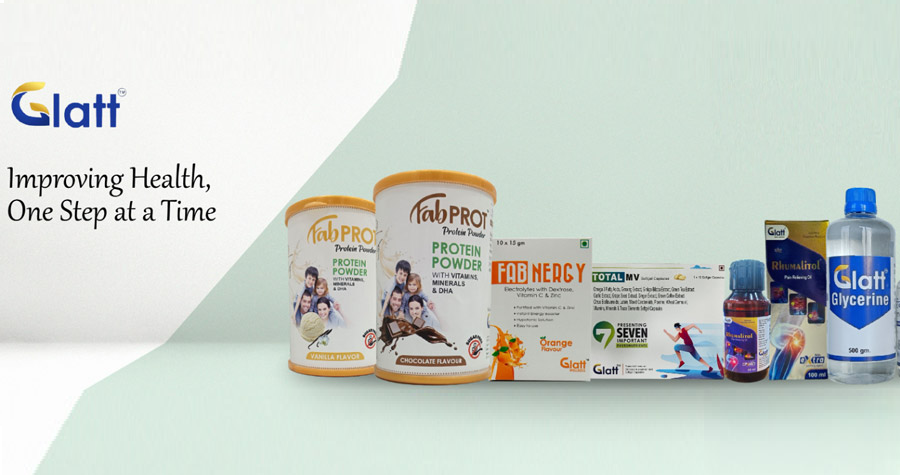
Glatt Pharmaceuticals is a pharmaceutical company operating in the healthcare and pharmacy sector, focused on manufacturing and supplying medicines including generic drugs, over-the-counter products, and specialty formulations. The franchise operates within the pharmacy and pharmaceutical distribution category, serving healthcare providers and end consumers.
The Glatt Pharmaceuticals franchise represents a distribution-led model connecting manufacturing capabilities with retail or institutional demand.
2. How the Business Works
The business combines pharmaceutical supply with retail or distribution activities.
Operational Flow:
- Medicines are manufactured or sourced through regulated processes
- Products are distributed to franchise outlets or healthcare buyers
- Customers include walk-in retail buyers, clinics, and medical institutions
- Orders are processed, dispensed, and managed through the outlet
Daily Operations:
- Inventory management of medicines and healthcare products
- Customer interaction and prescription handling
- Coordination with supply chain and restocking
Revenue is generated through the sale of pharmaceutical products and related healthcare items.
3. Products or Services Offered
The franchise focuses on pharmaceutical and healthcare product distribution.
Core Product Categories:
- Generic Medicines
Cost-effective pharmaceutical formulations
- Over-the-Counter (OTC) Products
Non-prescription healthcare items
- Specialty Drugs
Targeted treatments for specific conditions
- Healthcare Supplies
Products used in clinical and home care settings
The offering is aligned with both prescription-driven and consumer healthcare demand.
4. How the Franchise Model Works
The franchise model is structured around distribution and retail of pharmaceutical products.
Franchisee Responsibilities:
- Set up and operate a pharmacy or distribution outlet
- Manage inventory and ensure regulatory compliance
- Serve customers and healthcare providers
- Maintain proper storage and handling of medicines
Franchisor Responsibilities:
- Provide access to product portfolio and supply chain
- Offer operational guidance and compliance frameworks
- Support with branding and business processes
- Assist in product knowledge and systems
This structure ensures consistency in product availability and compliance standards.
5. Franchise Cost and Investment Overview
The investment is designed for a small-format pharmaceutical outlet.
Financial Overview:
| Estimated Investment | INR 10,000 – 50,000 |
|---|---|
| Franchise Fee | Covers brand usage and onboarding |
| Royalty | May apply as a percentage of sales or fixed fee |
Cost Components:
- Initial stock of medicines
- Storage systems and shelving
- Licensing and compliance setup
- Staff hiring and basic training
In pharmacy franchises, a portion of the investment typically goes toward inventory and regulatory compliance.
6. Space and Infrastructure Requirements
The business operates in a compact retail or distribution format.
Requirements:
| Space | 100 – 200 sq. ft. |
|---|---|
| Location Type | Residential clusters, near clinics, or commercial areas |
| Infrastructure Needs | — |
- Storage racks and refrigeration (if required)
- Billing and inventory systems
- Compliance with pharmaceutical storage norms
Staffing:
- Qualified pharmacist or trained staff
- Sales assistant for customer handling
7. Training and Franchise Support
Support systems focus on compliance, product knowledge, and operations.
Support Areas:
- Training on pharmaceutical products and categories
- Guidance on regulatory requirements and compliance
- Inventory and supply chain management support
- Marketing and branding assistance
- Ongoing operational guidance
These systems help franchise partners manage a regulated business environment effectively.
8. Revenue Model and ROI Factors
Revenue is generated through the sale of medicines and healthcare products.
Revenue Drivers:
- Prescription medicine sales
- OTC product sales
- Repeat purchases for chronic conditions
- Institutional or clinic-based supply
ROI Considerations:
- Consistent demand for healthcare products
- High frequency of repeat purchases
- Expected Payback Period: 1 – 2 years
Margins depend on product mix, supplier pricing, and customer base.
9. Brand History and Expansion
- Established in 2018
- Entered franchising in 2024
- Currently operating with a limited but growing franchise network
- Focused on expanding distribution reach and healthcare access
The brand’s growth aligns with increasing demand for pharmaceutical distribution networks.
10. Key Advantages of the Franchise
- Operates in a necessity-driven healthcare sector
- Consistent demand for pharmaceutical products
- Compact space requirement
- Repeat purchase behavior from customers
- Structured supply chain support
- Opportunity to serve both retail and institutional clients
11. Who Should Consider This Franchise
This opportunity may suit:
- Entrepreneurs interested in healthcare and pharmacy retail
- Individuals with pharmaceutical or medical background
- Investors seeking small-format, necessity-based businesses
- Business owners looking for recurring demand sectors
- Operators willing to manage compliance-driven businesses
Frequently Asked Questions
What is the investment required for Glatt Pharmaceuticals franchise?
The investment typically ranges from INR 10,000 to 50,000, depending on inventory and setup requirements. Additional costs may include licensing, storage infrastructure, and initial stock procurement for the pharmacy.
How does the Glatt Pharmaceuticals franchise business work?
The business operates as a pharmacy or distribution outlet where medicines are sold to customers and healthcare providers. Revenue is generated through product sales, with operations focused on inventory management and regulatory compliance.
What space is required for the franchise?
A compact space of around 100 to 200 square feet is sufficient. The location should be accessible to customers, ideally near residential areas, clinics, or healthcare centers.
How long does it take to recover the investment?
The expected payback period is approximately 1 to 2 years. Recovery depends on product demand, customer base, and operational efficiency.
How can investors apply for the franchise?
Investors can apply by contacting the brand directly or through franchise platforms. The process generally involves evaluation, onboarding, and setup support for launching the outlet.
Similar Franchise Opportunities
Entrepreneurs evaluating pharmacy and healthcare franchises may also consider:
- Apollo Pharmacy
- MedPlus
- Wellness Forever
- Netmeds
- Pharmeasy
These brands operate within the pharmaceutical retail and distribution ecosystem, offering comparable business formats for investor evaluation.
Accepting franchise applications in 35 states & UTs



Disclaimer: All scores, rankings, and estimates on ForeFind are independently produced editorial assessments using publicly available data and validated brand-submitted information. They are not verified facts, financial advice, or investment recommendations. Full Disclaimer.
