



Fun Planet Franchise: Daily Operations, Client Management and What Running This Business Looks Like
What Fun Planet Offers and Who Uses It
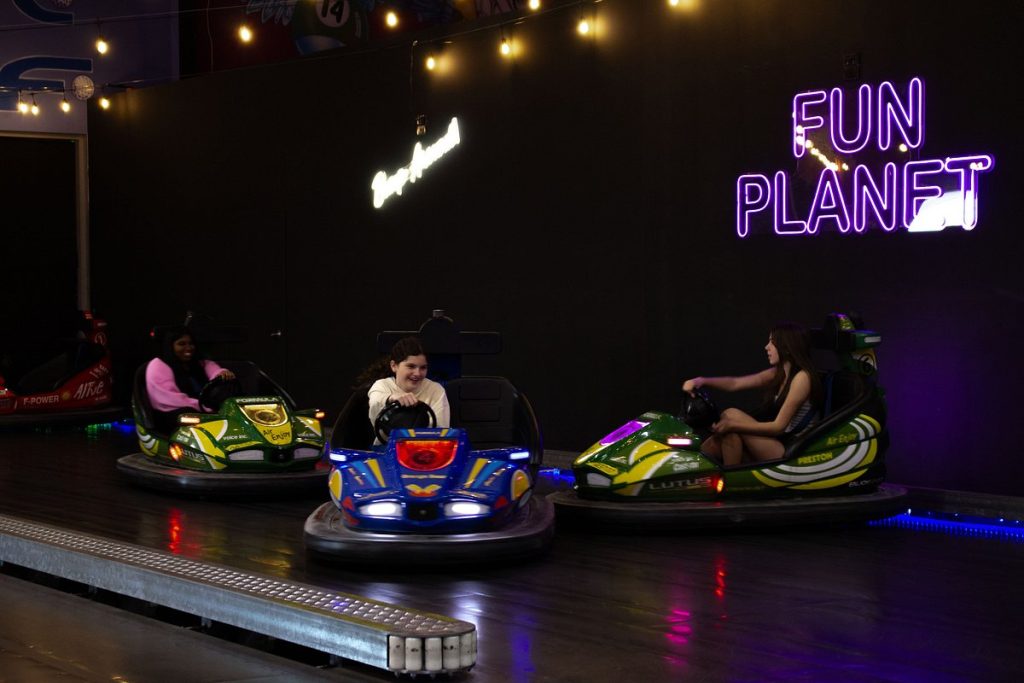
Fun Planet is an indoor family entertainment centre concept, offering a multi-activity experience under one roof: arcade games, laser tag, ride simulators, 9D cinema, and physical play attractions designed for children and families. The format spans a large footprint — 10,000 square feet or more — which allows the centre to accommodate multiple simultaneous activity zones and serve different age groups within the same visit. The primary client is the family unit, but the venue is designed to serve a broader range of occasions: birthday celebrations, school group visits, corporate team events, and community gatherings all represent realistic booking types for a well-positioned Fun Planet franchise. A successful client engagement begins when a family or group enquires about visit options or a party package, moves through a confirmed booking with activity preferences and duration, and concludes with an on-site experience managed by the franchisee’s floor staff. Post-visit, the quality of that experience determines whether the client returns and whether they recommend the venue to others.
Daily Operations: Booking Management, Client Service, and Administration
Running a Fun Planet franchise on any given operating day involves managing three simultaneous workstreams: the floor experience for guests already inside the centre, incoming enquiries and booking confirmations for future visits, and the administrative function of keeping equipment, staffing, and supplies in operational order. The floor experience is where the most visible service delivery happens — staff managing activity zones, supervising safety protocols, assisting younger children, and responding to client requests in real time. Booking management runs alongside this: phone and online enquiries about party packages, corporate bookings, and group visits require prompt responses and accurate confirmation. Administrative tasks — equipment checks, inventory management, staff scheduling, and supplier coordination — are typically handled in the centre’s quieter periods, often before public opening or after closing. The franchisee’s operational role is less about performing activities themselves and more about managing the team that does, while maintaining visibility over every aspect of the guest experience.
Technology Platform, GDS Access, and Booking Infrastructure
Fun Planet provides franchisees with access to operational software covering booking management, billing, and centre operations — the technology infrastructure that coordinates activity zone scheduling, party bookings, and point-of-sale transactions across a large, multi-attraction venue. For a franchisee new to indoor entertainment operations, the learning curve on these systems is moderate: venue management software is more specialised than general business tools, and staff training on booking processes and billing systems requires a structured onboarding period before the centre opens. The franchisor’s pre-opening support is designed to address this gap, familiarising the franchisee and their key staff with the platform before the first guests arrive. When operational issues arise — system errors, booking conflicts, equipment faults — the franchisee’s ability to resolve them quickly directly affects the guest experience, which means understanding the escalation path and support response times from the franchisor is an important part of the pre-opening preparation.
Supplier Relationships and Negotiated Rates
The equipment and attractions inside a Fun Planet centre — rides, simulators, gaming machines, and cinema systems — are sourced and installed by the franchisor as part of the setup process. This centralised supply and installation model means the franchisee does not need to independently source or negotiate for the core attraction hardware. Ongoing consumables, maintenance contracts, and periodic equipment updates are a different matter: franchisees should understand clearly which maintenance responsibilities are covered by the franchisor’s ongoing support and which fall to them operationally. For supplies that the franchisee sources locally — catering for party packages, safety equipment, branded merchandise — negotiation with local vendors is a franchisee-managed function. The franchisor’s established supplier relationships reduce the initial sourcing burden considerably; the franchisee’s operational discipline determines how efficiently those relationships are managed over time.
Building Corporate and Institutional Client Relationships
Walk-in family traffic forms the revenue foundation of a Fun Planet centre, but the most operationally stable units layer corporate and institutional clients on top of that base. Corporate team-building events, school excursion bookings, and residential society group visits generate larger per-booking revenue and create predictable scheduling anchors around which the rest of the week’s operations can be organised. Building this client segment requires proactive outreach — visiting HR departments of local companies, establishing referral relationships with event planners, and approaching school principals or housing society management committees. These are not passive revenue streams; they require a franchisee or a dedicated sales resource to manage the relationship cycle from first contact to confirmed booking to post-event follow-up. Franchisees who invest in this development activity in the first six months of operation typically find that corporate bookings begin contributing meaningfully to weekly revenue within the first year.
Staff Requirements and Service Quality Management
A Fun Planet centre requires between five and twenty staff members depending on operating hours, venue size, and the number of active attraction zones — a team that includes floor supervisors, activity zone operators, a booking and reception function, and maintenance personnel. In a family entertainment environment, staff demeanour and attentiveness directly shape the client experience: a child’s birthday party that runs smoothly because the assigned staff member managed the timeline and kept the group engaged creates a very different review outcome than one that felt unmanaged. Fun Planet provides training for franchisees and their teams before opening, covering service standards, safety protocols, and operational procedures. Maintaining that standard as staff turn over — which is a reality in this sector given the part-time and young workforce it typically draws — requires the franchisee to have a structured onboarding process in place rather than relying solely on the initial training to carry quality forward.
Who Runs a Fun Planet Franchise Successfully
The franchisee who builds a productive Fun Planet operation combines operational management capability with genuine comfort in a high-energy, people-facing environment. HNI investors who bring capital depth and the willingness to hire capable venue managers succeed, particularly when paired with a local business community network that generates corporate and institutional bookings early. Family-backed investors who can deploy a working family member as the operational anchor — someone on the floor daily, managing staff and guest experience — while another manages the business development function tend to run the most efficiently structured units. The premium investment level this franchise requires means the investor must be able to sustain operations through the full ramp-up period without revenue pressure forcing premature decisions on staffing or marketing spend. Franchisees who focus exclusively on walk-in consumer traffic without building any institutional or corporate booking base consistently find revenue too variable to maintain the operational and staffing standards a large-format family entertainment centre requires.
Accepting franchise applications in 32 states & UTs
What qualifications or industry experience are needed to run a Fun Planet franchise?
No specific formal qualification is required. The ideal franchisee background is in family entertainment, hospitality management, or venue operations — any domain that has given the investor experience managing a consumer-facing physical business with a significant staffing component. Investors without direct entertainment experience but with strong operational management skills and the capital to hire a qualified venue manager have also structured successful operations in this format. Fun Planet provides pre-opening training covering its operational systems and service standards.
What technology and booking systems does Fun Planet provide?
Fun Planet provides franchisees with operational software that manages bookings, activity zone scheduling, billing, and centre operations. The system is designed to handle the complexity of a multi-attraction venue running simultaneous party bookings, walk-in traffic, and corporate event coordination. The specific modules and any customer-facing booking tools are covered during the pre-opening training and onboarding process. Franchisees should clarify software update responsibilities and technical support response times during the agreement stage.
How does Fun Planet support franchisees in building corporate client accounts?
Fun Planet's pre-opening and ongoing support includes marketing assistance that covers brand materials, promotional frameworks, and operational guidance for event packages suitable for corporate and group clients. The franchisee's local business development activity — outreach to companies, schools, and community organisations — drives the actual conversion of corporate accounts. The franchisor provides the tools and package structure; the franchisee manages the relationships in their territory. Franchisees who prioritise this activity early in operations build a more stable revenue base than those who rely solely on consumer footfall.
Can a Fun Planet franchise be operated from home or a small office?
No. A Fun Planet franchise is a large-format physical entertainment centre requiring a minimum of 10,000 square feet in a mall or standalone commercial location. The investment level, staffing model, and operational nature of the business are entirely premises-dependent. This is a full-time, owner-managed commercial operation — the Fun Planet franchise is not structured for remote, part-time, or home-based operation in any configuration.
How does Fun Planet manage quality and service consistency across its franchise network?
Fun Planet's quality management framework is delivered through the pre-opening training programme, established operational policies, and ongoing franchisor support. Given that the network is in its early expansion stage, the consistency framework is being built as the franchise grows — which means franchisees who engage actively with the franchisor's operational guidance and apply it rigorously at the unit level are both beneficiaries of and contributors to how the brand's service standards develop. Prospective franchisees should discuss the specific quality review process, including how operational standards are monitored and what support is available when performance issues arise.
Disclaimer: All scores, rankings, and estimates on ForeFind are independently produced editorial assessments using publicly available data and validated brand-submitted information. They are not verified facts, financial advice, or investment recommendations. Full Disclaimer.
