



Frontier Biscuit Factory Pvt. Ltd. Franchise: Market Position, Category Opportunity and Competitive Edge
Frontier Biscuit Factory Pvt. Ltd. and Where It Fits in India’s Food Franchise Landscape
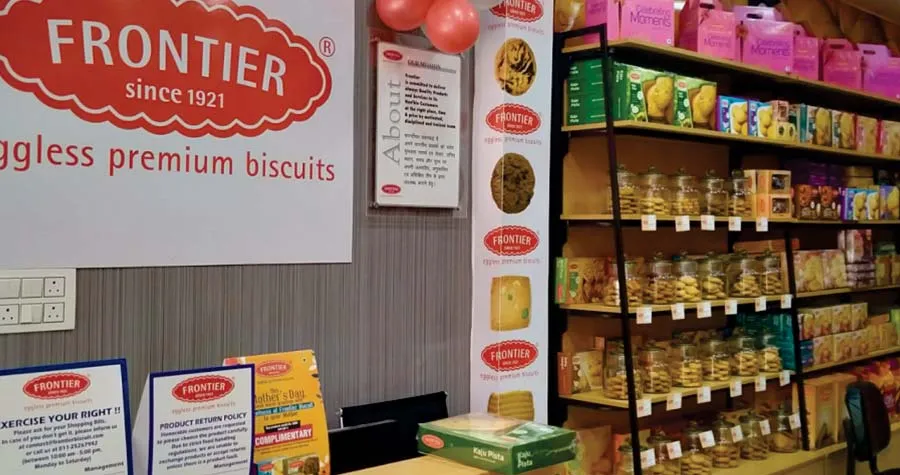
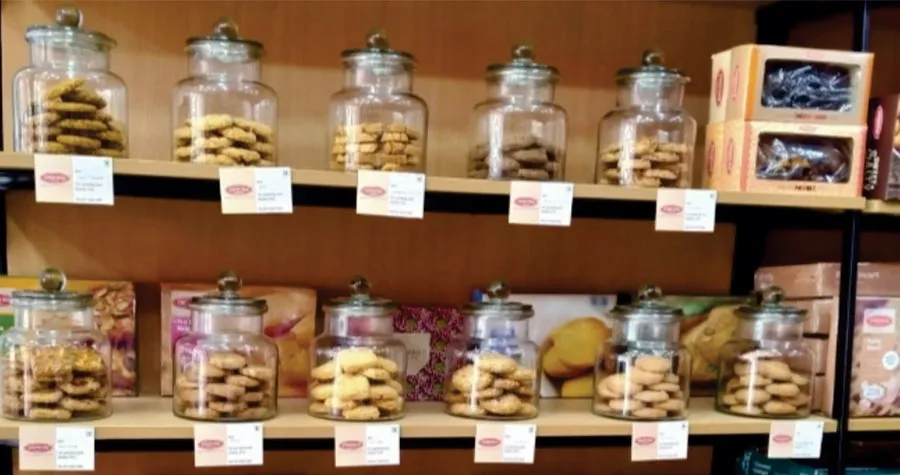
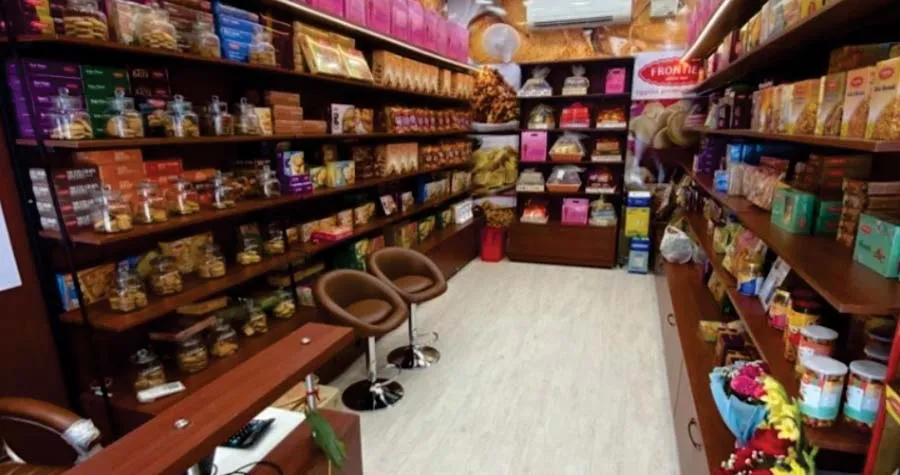
Frontier Biscuit Factory Pvt. Ltd. franchise occupies a distinctive position in the Indian food franchise landscape: a biscuit and bakery brand with manufacturing operations dating to 1950 and franchising that formally commenced in 1995 — a 30-year franchise history that places it among the longest-running food franchise systems in India. The brand operates through a compact 150 to 300 square foot retail format serving families and individuals on high streets and residential commercial locations, offering a product range anchored in biscuits and bakery items at accessible price points targeting the mainstream Indian consumer rather than the premium occasion buyer. What makes this position defensible is the combination of heritage brand recognition and the structural loyalty that biscuit consumption commands in Indian households: biscuits and baked staples are daily replenishment products, not discretionary occasion purchases, which creates a recurring consumer engagement pattern that sustains outlet revenue through the months where celebration bakery formats see seasonal demand troughs.
Why This Food Format Is Growing in India Right Now
The shift from unorganized to branded bakery and biscuit retail is one of the more consistent trends in Indian consumer behavior across city tiers. An Indian household that previously purchased loose biscuits from a local kirana counter or unbranded snacks from an informal street vendor is now increasingly choosing FSSAI-compliant, hygienically packaged, branded alternatives — not as a luxury upgrade but as a baseline expectation. This shift is accelerating because food safety awareness has risen across income segments, because younger urban consumers associate branded products with quality assurance that informal alternatives cannot provide, and because the documentation and labeling requirements that organized retail carries are becoming consumer decision criteria rather than merely regulatory obligations.
Dual-income households driving the growth of branded everyday food consumption represent Frontier Biscuit Factory’s natural consumer base: working families with moderate to middle incomes who prioritize consistency and reliability in their daily food purchases over price minimization alone. This demographic is growing across Tier 2 cities at a rate that outpaces organized bakery and biscuit franchise supply, which is the structural demand gap that a well-positioned Frontier Biscuit Factory outlet can address with an investment at the INR 5 to 10 lakh level.
What Frontier Biscuit Factory Pvt. Ltd. Does Differently From Independent Food Outlets
An independent biscuit and bakery retailer competing in the same market as a Frontier Biscuit Factory franchise faces two structural disadvantages that compound over time. First, the product quality credibility problem: in a category where consumers have experienced the inconsistency of informally produced goods, a brand name with 75-plus years of manufacturing history signals a quality standard that an independent without documented production credentials cannot communicate. Second, the supply chain problem: an independent sourcing biscuits and bakery products from multiple uncoordinated suppliers has neither the purchasing scale nor the supply consistency that a franchise system’s centralized procurement relationship provides. When a popular product runs out at an independent, the replacement may arrive in a week or not at all; when it runs out at a Frontier Biscuit Factory outlet, the established supply chain provides the restocking reliability that regular customers depend on.
The franchise model also removes the most commercially expensive phase of retail business development — consumer trust building — by providing a brand that consumers have either already encountered or can validate through the brand’s long market presence. In Indian retail, the consumer who sees a recognized brand name on a storefront makes a significantly faster purchase decision than one confronting an unknown retailer, and this trust premium translates directly into walk-in conversion rates and transaction frequency.
The Investment Case: How Frontier Biscuit Factory Pvt. Ltd. Compares at This Price Point
At the INR 5 to 10 lakh investment range, the Frontier Biscuit Factory franchise offers something that most food franchise options at this level do not: a manufacturing heritage dating to 1950 combined with a zero franchise fee entry structure. The absence of a brand fee — confirmed in the franchise details — means the franchisee’s entire investment goes toward the operational setup rather than a portion being consumed by licensing costs before the first product is sold. The anticipated 70 percent return on investment and 1 to 2 year payback period projections should be evaluated against the franchisee’s specific location economics, but these targets are consistent with a category and format where daily consumption drives repeatable revenue rather than occasional high-ticket transactions.
The network’s growth rate of 6.8 new units per year over 11 years of recent franchising reflects consistent franchisee recruitment — a signal that the economics at individual outlet level have sustained expansion rather than requiring promotional incentives to attract new entrants. For a small business owner, career changer, or graduate entrepreneur evaluating their first food franchise investment, a brand with operational roots stretching to 1950 provides a category credibility that newer concepts at the same investment level cannot claim.
Geographic Opportunity: Where Frontier Biscuit Factory Pvt. Ltd. Is Expanding
With 50 to 100 operational units and geography still to be fully defined in the brand’s Indian expansion, significant territory remains available across the country’s urban and semi-urban markets. The strongest near-term white space for Frontier Biscuit Factory franchise is in Tier 2 and Tier 3 cities where branded biscuit and bakery retail is growing but organized branded alternatives remain limited. In these markets, a franchisee with a recognizable brand and a product range at accessible price points for daily household consumption enters without the competitive crowding that characterizes metro bakery retail. The 150 to 300 square foot format is commercially viable at the rental rates prevalent in smaller Indian cities’ high streets, which means the unit economics are more favorable than in metros where equivalent locations cost significantly more.
Territory allocation terms — including exclusivity radius and how the brand manages competitive placement as the network expands — are confirmed during the franchise evaluation process. Franchisees who establish presence in their target market early in the brand’s national expansion build location loyalty and supplier relationships that later entrants in the same market will have to compete against.
The Risks of This Category and How Frontier Biscuit Factory Pvt. Ltd. Mitigates Them
Delivery platform margin pressure is structurally lower for a daily biscuit and bakery staples format than for specialty food formats where aggregator commission represents a larger percentage of the selling price on low-ticket items. The Frontier Biscuit Factory model’s walk-in consumer behavior — household replenishment rather than on-demand occasion ordering — reduces the dependence on Swiggy and Zomato that makes delivery commission a first-order financial concern for restaurant and occasion bakery formats. Raw material volatility — wheat, sugar, vegetable oil — affects the manufacturer’s input costs and can flow through to franchise procurement pricing; the brand’s long-standing manufacturing and procurement relationships provide some pricing stability relative to an independent sourcing at small-batch volumes. FSSAI compliance at the outlet level is straightforward for a retail distribution format and is covered through the franchise’s standard operational framework. Location dependency remains the most significant residual risk, and the brand’s site selection guidance helps franchisees avoid commercially unviable positions — but the franchisee’s own assessment of residential and commercial consumer density in their specific location is the critical final judgment.
Who Captures the Most Value From a Frontier Biscuit Factory Pvt. Ltd. Franchise
The Frontier Biscuit Factory franchisee who reaches break-even at nine months rather than fifteen is specifically the one who builds a morning repeat purchase routine among the households and office workers within their immediate catchment during the first 60 days of operation. Biscuit and daily bakery consumption is a habit-driven category — the consumer who purchases from the same outlet every week for their household’s snacking and breakfast needs generates a revenue relationship that requires virtually no ongoing marketing cost to sustain once established. Franchisees who prioritize opening before the morning commuter hour, maintaining consistent stock availability in the most popular SKUs, and building the direct community relationships that convert first-time buyers into weekly regulars, build the recurring revenue base that compresses break-even timing irrespective of whether their market is a Tier 1 city or a Tier 2 town.
Accepting franchise applications in 17 states & UTs

How does Frontier Biscuit Factory Pvt. Ltd. compare to other food franchises in the same investment range?
At INR 5 to 10 lakh with no brand fee, Frontier Biscuit Factory franchise offers access to a manufacturing brand with 75-plus years of production history and 30 years of formal franchising. Most food franchise alternatives at this investment level are newer concepts without equivalent operational heritage. The daily consumption positioning — biscuits and bakery staples rather than occasion-driven specialty food — provides revenue consistency through seasonal variation that celebration bakery formats cannot match.
Does Frontier Biscuit Factory Pvt. Ltd. work in Tier 2 and Tier 3 cities in India?
The daily household consumption category that Frontier Biscuit Factory serves is present in every Indian city regardless of tier. Tier 2 and Tier 3 cities represent particularly favorable markets for this franchise because organized branded biscuit and bakery retail in these locations is less saturated than in metros, rental costs are lower, and the consumer's shift from informal to branded products is currently at an earlier and faster-moving stage. A franchisee entering one of these markets now is doing so ahead of the competitive consolidation that will come as organized formats expand.
What is the Frontier Biscuit Factory Pvt. Ltd. franchise expansion plan for the next two years?
Frontier Biscuit Factory has expanded at 6.8 new units per year across its recent franchising period, with continued recruitment across city tiers. Specific expansion priorities and territory availability are discussed during the franchise inquiry process. Prospective franchisees should engage directly with the brand to understand which markets are currently being recruited for and what exclusivity or territory provisions apply to their target location.
How does Frontier Biscuit Factory Pvt. Ltd. handle competition from food delivery aggregators?
The Frontier Biscuit Factory model's daily household staples positioning means that walk-in purchase behavior — a consumer picking up biscuits and bakery items as part of their regular shopping routine — constitutes the primary revenue channel rather than on-demand delivery. This behavioral characteristic partially insulates the format from the margin pressure that aggregator commissions create for formats where delivery is the primary customer acquisition mechanism. Platform presence can supplement walk-in revenue, but it is supplementary rather than structurally necessary for this category's consumer behavior.
What support does Frontier Biscuit Factory Pvt. Ltd. provide for local marketing?
Frontier Biscuit Factory provides franchisees with brand materials, product range, and operational support that underpin local marketing credibility. The brand's manufacturing heritage and FSSAI-compliant product documentation are themselves marketing assets in conversations with consumers who are choosing between a recognized brand and an informal alternative. Local activation — community outreach, residential society engagement, and the consistent daily presence that builds purchase habit — is the franchisee's primary marketing activity and is where local market knowledge and personal engagement determine how quickly the franchise builds its recurring consumer base.
Disclaimer: All scores, rankings, and estimates on ForeFind are independently produced editorial assessments using publicly available data and validated brand-submitted information. They are not verified facts, financial advice, or investment recommendations. Full Disclaimer.
