


About the brand
What Everi Does and Which Vehicles It Serves
An Everi franchise operates as a certified pre-owned two-wheeler outlet, buying, inspecting, refurbishing, and reselling used motorcycles and scooters across makes and price points rather than representing a single manufacturer’s new vehicle line. The vehicles passing through an outlet range from entry-level commuter bikes to higher-value scooters, and the customer base splits between sellers looking for a fair, transparent valuation and buyers who want the assurance of a professionally inspected used vehicle rather than an unverified private sale. A typical engagement starts with a seller bringing in a vehicle for evaluation, moves through a multi-point inspection and any necessary refurbishment, and ends with the bike listed for resale at a price reflecting its verified condition, with the buyer receiving documentation that a private transaction would never provide.
Workshop Operations: A Typical Service Day
The day begins with vehicle intake, where each incoming bike gets logged and assigned a condition assessment covering engine health, brakes, tyres, electricals, and bodywork. This assessment effectively functions as the job card, determining what refurbishment work, if any, is needed before the vehicle can be listed for resale. Bay allocation follows the same logic as any service workshop: vehicles needing engine or electrical work go to technicians with that specialisation, while cosmetic refurbishment, denting, painting, polishing, gets handled separately so the two workstreams don’t bottleneck each other. Parts usage during refurbishment gets tracked against the vehicle’s eventual resale margin, since over-spending on refurbishment for a low-value bike erodes the very margin the resale model depends on. Before any vehicle reaches the showroom floor, a final quality check confirms the inspection findings were actually addressed, and sellers receive a clear valuation breakdown while buyers get a vehicle history and condition report ahead of purchase.
Technician Recruitment, Training, and Productivity
An outlet of this scale typically needs technicians who can credibly assess and repair two-wheeler engines, electricals, and brake systems, alongside separate staff for cosmetic refurbishment work like painting and bodywork. In a Tier 2 city, the most reliable sourcing channels tend to be local ITI graduates with automotive trade certification and experienced mechanics already working in the unorganised repair market who are looking to move into a more structured, branded environment. Training under the franchise model generally covers the brand’s specific inspection checklist and valuation methodology, since consistent, defensible vehicle grading is what gives the resold bikes their credibility with buyers; this is arguably a more important training component here than pure mechanical repair skill, which most hires already bring with them.
Parts Procurement, Inventory Management, and Margin
Refurbishment margin is won or lost at the parts counter. Sourcing genuine or quality-verified replacement parts at a competitive rate, rather than defaulting to the cheapest aftermarket option, protects both the resale value of the vehicle and the brand’s reputation for inspected quality. Outlets typically need to maintain a working stock of commonly replaced items, batteries, brake pads, tyres, and basic electricals, since waiting on parts delivery extends the time a vehicle sits unsold and ties up working capital. Counterfeit parts are a genuine risk in the Indian aftermarket, and franchisees are expected to source through vetted suppliers rather than the lowest-priced local vendor, since a refurbished vehicle that develops a fault shortly after resale undermines the trust the entire certified pre-owned model depends on.
Customer Acquisition and Building a Repeat Client Base
Walk-in sellers and buyers get an outlet started, but they don’t sustain it. The more durable growth path involves building relationships with corporate fleet operators and delivery companies looking to offload ageing two-wheeler fleets in bulk, since a single fleet disposal deal can supply months of resale inventory at once. On the buyer side, offering a basic warranty or short-term maintenance assurance on resold vehicles gives customers a reason to choose a certified outlet over a cheaper private sale, and following up with buyers for their first paid service visit turns a one-time transaction into the start of a recurring service relationship. Local community marketing, tie-ups with insurance agents, and referral incentives for satisfied sellers tend to generate steadier inventory flow than paid advertising alone.
Equipment, Technology, and Diagnostic Systems
The franchise package typically includes the inspection checklist methodology, valuation tools, and basic diagnostic equipment needed to assess engine and electrical condition consistently across vehicles. Workshop infrastructure for refurbishment work, lifts, compressors, painting booths where applicable, generally falls to the franchisee to source and set up locally, sized to the outlet’s expected throughput. Job tracking and listing management technology helps standardise how vehicles move from intake to resale-ready status, reducing the chance that a vehicle gets listed before refurbishment is genuinely complete.
Who Runs a Everi Workshop Successfully
Franchisees who combine some technical grounding in two-wheeler mechanics with an existing network among local fleet operators, insurance agents, or financiers tend to build inventory and resale volume faster than those starting cold. One point worth being direct about: franchisees who treat this as a passive, hands-off investment consistently fail to generate the daily vehicle throughput the model needs, because sourcing inventory, supervising refurbishment quality, and managing buyer trust all require active, ongoing involvement that a purely capital-backed absentee owner struggles to provide.
Investment and financials
Investor fit profile
Franchise support
Brand strength
Forefind rank history
Licences and compliance
Gallery
Frequently asked questions
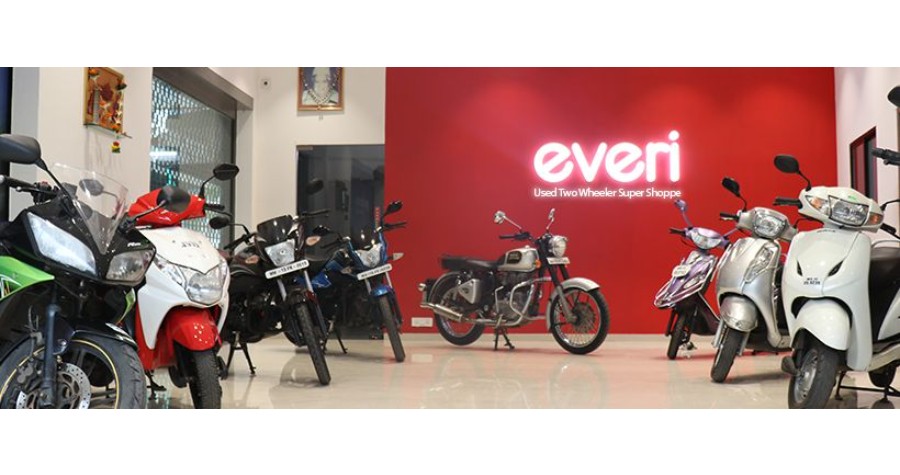
The outlet needs space for vehicle display, an inspection and refurbishment bay, and basic workshop infrastructure for mechanical and cosmetic repair work, generally within the standalone or high-street commercial format this category requires.
The franchise package typically includes the inspection and valuation methodology along with core diagnostic tools, while larger workshop equipment for refurbishment is sourced locally by the franchisee.
Training centres on the brand's standardised inspection checklist and vehicle grading methodology, since consistent condition assessment is what gives resold vehicles their credibility with buyers.
A hired manager can run day-to-day operations once the outlet is established, but the owner-operated structure of this category means the franchisee needs to stay closely involved, particularly in sourcing inventory and managing fleet relationships.
The franchisor typically provides guidance and brand positioning to support these conversations, but securing actual fleet disposal contracts and corporate tie-ups depends substantially on the franchisee's local business outreach. For someone evaluating this category hands-on, an Everi franchise rewards an owner willing to actively manage inspection quality, technician supervision, and inventory sourcing, since the resale margin in pre-owned two-wheelers depends far more on daily operational discipline than on the initial capital invested.
Disclaimer: All scores, rankings, and estimates on ForeFind are independently produced editorial assessments using publicly available data and validated brand-submitted information. They are not verified facts, financial advice, or investment recommendations. Full Disclaimer.
