



Dance Curve Franchise
Franchise Quick Facts
| Brand Name | Dance Curve |
|---|---|
| Industry / Business Category | Kids Entertainment / Dance Education |
| Founded Year | 2013 |
| Franchise Started Year | 2022 |
| Total Franchise Outlets | 1–10 |
| Estimated Investment | INR 5 Lakh – 10 Lakh |
| Franchise Fee | INR 2,00,000 |
| Royalty Fee | 15% |
| Space Requirement | 1,000 – 2,000 Sq.ft |
| Staff Requirement | Certified dance instructors, administrative staff |
| Expected Payback Period | 1–2 years |
1. What is Dance Curve?
Dance Curve is a dance education academy specializing in dance training for children and adults, offering classes across multiple styles and skill levels. The academy serves the kids and youth entertainment market, providing structured training programs, creative workshops, and performance opportunities.
2. How the Business Works
Dance Curve operates through physical dance studios where students enroll for classes. Customers interact by attending scheduled group or private dance sessions. Daily operations include instructor-led classes, studio management, student enrollment, and organizing performances. Revenue is generated through class fees, membership packages, workshops, and special performance programs.
3. Products or Services Offered
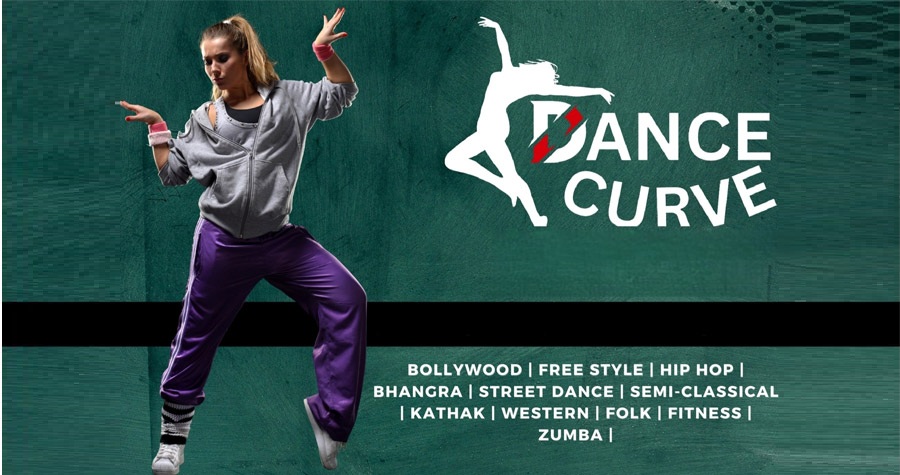
Dance Classes by Style
- Classical forms: Ballet, Kathak, Bharatanatyam
- Contemporary: Modern, Lyrical, Contemporary Ballet
- Urban/Street: Hip-Hop, Breaking, Locking, Popping
- Jazz and Musical Theater
- Fitness & Dance Fusion: Zumba, dance aerobics, conditioning programs
- Performances and Competitions: Recitals, local and national competitions
- Workshops & Camps: Skill enhancement and thematic dance workshops
4. How the Franchise Model Works
| Role of the Franchise Partner | Manage local Dance Curve studio operations and student enrollment |
|---|---|
| Responsibilities of the Franchise Owner | Oversee instructors, marketing, studio maintenance, and customer experience |
| Outlet Operations | Run dance classes, coordinate events, manage memberships, and maintain facility standards |
| Relationship between Franchisor and Franchisee | Franchisor provides brand licensing, curriculum, training modules, marketing guidance, and ongoing operational support; franchisee executes local business operations |
5. Franchise Cost and Investment Overview
| Estimated Investment | INR 5 Lakh – 10 Lakh |
|---|---|
| Franchise Fee / Brand Fee | INR 2,00,000 |
| Royalty / Ongoing Fees | 15% of revenue |
| Setup Cost Components | Studio lease or fit-out, dance flooring, mirrors, sound systems, instructor recruitment, marketing |
| Investment Recovery | Expected within 1–2 years |
6. Space and Infrastructure Requirements
| Space Requirement | 1,000 – 2,000 Sq.ft for studios |
|---|---|
| Preferred Locations | Urban areas with access to children and youth, near schools, community centers, or residential hubs |
| Equipment / Infrastructure Needs | Dance flooring, mirrors, sound systems, seating for parents, safety and hygiene facilities |
| Staffing Requirements | Certified instructors, front-desk/admin staff |
7. Training and Franchise Support
| Operational Training | Studio management, curriculum implementation, class scheduling, and student handling |
|---|---|
| Instructor Training | Standardized teaching methods and performance evaluation |
| Marketing Support | Branding, promotions, digital marketing templates, and local campaigns |
| Ongoing Support | Performance review, periodic updates to curriculum, and business advisory |
8. Revenue Model and ROI Factors
| Revenue Streams | Class fees, membership packages, workshops, summer camps, performance tickets |
|---|---|
| Customer Demand Patterns | Consistent interest from parents enrolling children for extracurricular dance education |
| Repeat Purchase Potential | High due to ongoing classes, seasonal workshops, and annual performances |
| Operational Cost Considerations | Rent, instructor salaries, utility costs, marketing, and equipment maintenance |
| Expected Payback Period | 1–2 years |
9. Brand History and Expansion
| Established Year | 2013 |
|---|---|
| Franchise Commenced | 2022 |
| Number of Franchise Outlets | 1–10 |
| Geographic Markets Served | Multiple urban centers across India |
| Expansion Plans | Grow through franchise studios in cities with strong demand for dance education for children and youth |
10. Key Advantages of the Franchise
- Established curriculum across multiple dance styles
- Access to experienced instructors and training modules
- Recognized brand in kids and youth entertainment segment
- Recurring revenue from class fees and seasonal workshops
- Scalable studio model adaptable to different urban markets
11. Who Should Consider This Franchise
- Entrepreneurs with interest in children’s education or performing arts
- Investors seeking a low- to mid-capital, high-demand service business
- Individuals with experience in teaching, coaching, or arts management
- Franchisees looking to operate a revenue-generating extracurricular education business
Similar Franchise Opportunities
- Kidz Dance Academy – Dance training for children and youth
- Step Up Dance Academy – Urban and classical dance franchises
- BollyX India – Fitness-dance fusion classes for kids and adults
- The Dance Worx – Comprehensive dance education with multiple branches
- Shiamak Davar International – Performing arts and dance training franchise
These brands operate in the dance education and kids entertainment sector, providing comparable franchise opportunities for investors.
Accepting franchise applications in 35 states & UTs
What is the investment required for Dance Curve franchise?
Initial investment ranges from INR 5 Lakh to 10 Lakh, including franchise fee, studio setup, and initial operational expenses.
How does the Dance Curve franchise business work?
Franchisees manage local studios, hire instructors, enroll students, conduct classes, and organize events under the Dance Curve brand.
What space is required for the franchise?
Studios require 1,000–2,000 Sq.ft with proper dance flooring, mirrors, sound systems, and student safety arrangements.
How long does it take to recover the investment?
The expected payback period is 1–2 years depending on enrollment and local demand.
How can investors apply for the franchise?
Prospective franchisees contact Dance Curve for brand licensing, training, and guidance on opening a studio. ## Similar Franchise Opportunities
Disclaimer: All scores, rankings, and estimates on ForeFind are independently produced editorial assessments using publicly available data and validated brand-submitted information. They are not verified facts, financial advice, or investment recommendations. Full Disclaimer.
