



Cold Rock Ice Creamery Franchise: Investment, Returns and Profit Model in India
About Cold Rock Ice Creamery
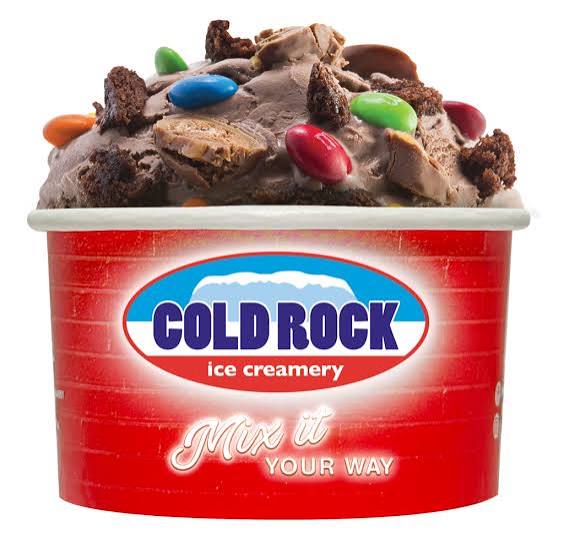
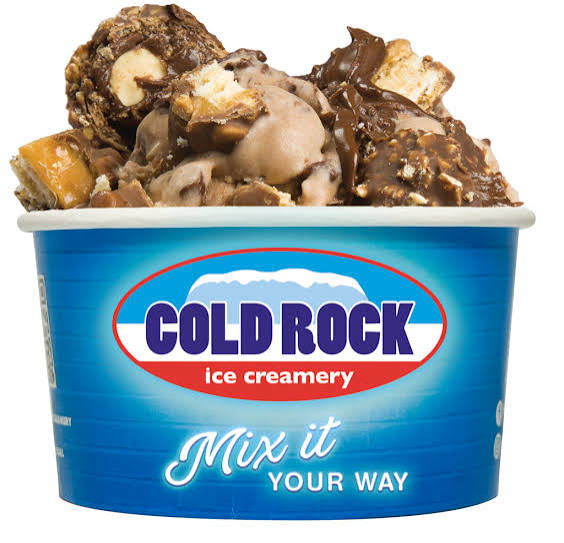
Cold Rock Ice Creamery franchise retails made-to-order customized ice cream — customers select a base ice cream and have mix-ins folded in on a cold stone surface — alongside a range of sundaes, shakes, and dessert products. The brand originated in Australia and operates 100 to 200 locations under a franchise system that has been running since 1965, a 60-year track record that distinguishes it from the large majority of food franchise concepts entering India. The longevity of the Australian network is the one fact worth noting before any other: a franchise system that has sustained franchisee operations across six decades has worked through multiple recessions, consumer trend shifts, and competitive pressures. That is a different category of system durability from brands launched in the past decade.
The Revenue Model in Practice
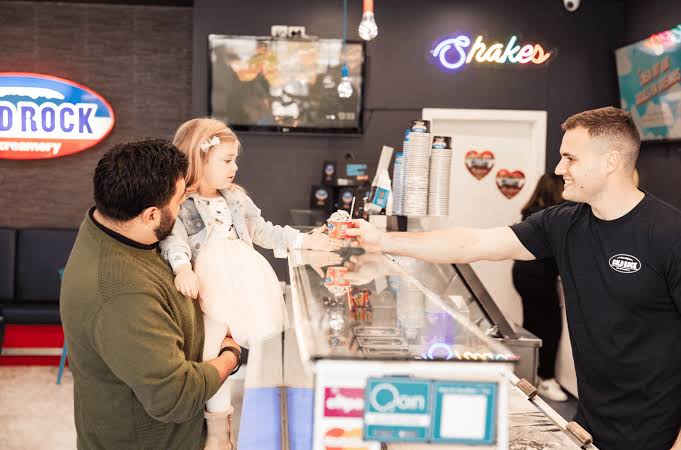
A Cold Rock Ice Creamery unit generates revenue across several channels: in-store dine-in and takeaway, which constitute the majority of transactions; food delivery platform orders through Swiggy and Zomato; and catering or bulk orders for events and corporate occasions, which represent a lower-frequency but higher-ticket revenue source. The franchisee controls the catering development activity and the local customer relationship — the brand system determines the menu, pricing architecture, and operational standards. The product’s made-to-order format is an in-store experience strength: the preparation happens in front of the customer, which creates a theatrical element that supports premium pricing and differentiates the visit from pre-packaged ice cream alternatives. This experiential dimension supports dine-in revenue but requires that delivery order quality — where the theatre is absent — is managed through packaging and fulfillment speed.
Understanding the Investment: What INR 1 Cr – 2 Cr Actually Buys
The INR 1 crore to 2 crore investment funds the full setup of a commercial ice creamery unit: refrigeration and cold storage equipment capable of maintaining the temperatures required for the concept, the cold stone preparation surface and associated service equipment, store fitout to the brand’s Australian-origin design standards, initial inventory of ice cream bases and mix-in ingredients, FSSAI licensing, brand licence fee, and training for the franchisee and their opening team. Working capital for the first three to four months of operations — covering staff wages, raw material procurement, and operational costs before revenue cash flow stabilizes — is a component of this investment that franchisees should budget explicitly rather than absorbing from personal reserves after opening.
Monthly ongoing costs after opening include commercial rent, staff wages for three to ten employees, raw material procurement (dairy-based products carry meaningful cost volatility tied to milk pricing), delivery platform commissions on aggregator orders, FSSAI compliance maintenance, and the franchisor’s royalty. The sum of these costs establishes the minimum monthly revenue threshold the unit must clear before profit accumulates. At the indicative revenue range of ₹2.5 lakh to ₹12.5 lakh per month, the difference between operating above or below break-even is determined primarily by location-driven customer volume and operational consistency.
Break-Even and Return Timeline
The 13 to 27 month break-even range is wide, and the spread is not random — it maps to identifiable operational variables. Location quality is the dominant factor: a Cold Rock unit positioned in a high-footfall mall corridor or an active high street in a residential area with strong family demographics reaches the daily transaction volume that covers its monthly cost structure faster than one in a lower-traffic commercial zone where the concept must build awareness from a low base. Operational consistency — product quality maintained across shifts and staff changes — is the second variable, because ice cream is a repeat-occasion category where a disappointing experience suppresses return visits in a way that one-time product categories do not.
Variables outside the franchisee’s control include the seasonal demand pattern — ice cream consumption peaks in summer and declines in winter in most Indian markets — and dairy input cost movements that affect raw material margins. Franchisees who plan their working capital requirements to sustain operations through two to three lean seasonal months without financial distress reach the break-even point on the calendar without being forced into operational compromises during the period when margins are thinnest.
What the Franchisor Provides and What They Do Not
Cold Rock Ice Creamery franchise provides the brand licence, the menu and product formulation system, equipment specifications, store design standards, initial training for the franchisee and opening team, and ongoing operational guidance through the franchise support structure. Before opening, the brand assists with site qualification criteria and setup standards. At launch, training covers product preparation, quality standards, and customer service protocols. Ongoing support includes access to the franchise network’s systems and any national marketing the brand runs.
What the franchisee manages independently is significant: local customer acquisition, delivery platform relationship management and order fulfillment quality, daily staff supervision and retention, raw material procurement from approved suppliers, rent negotiation and lease management, and all statutory compliance including FSSAI annual renewal and local health inspections. The franchisee who enters expecting the brand to solve their local operational problems will be disappointed; the franchisor provides the system and the product, while the franchisee provides the market execution.
Financial Risk Factors Specific to This Category
Dairy-based raw materials are subject to pricing volatility linked to milk procurement cycles and seasonal supply variation — this is a persistent cost risk in ice cream retail that no franchise system fully eliminates, though a centralized procurement arrangement moderates the exposure relative to an independent operator. Food spoilage risk is material given the cold chain requirements of the product; equipment failure during a warm summer peak can cause significant inventory loss. Delivery platform dependency introduces a margin compression risk: platforms typically take 25 to 30 percent of order value, and heavy delivery reliance in a lower-average-ticket ice cream format can make delivery orders margin-negative unless managed carefully. Staff turnover in food retail is structurally high in India, and an ice cream concept with a made-to-order preparation method is more sensitive to staff competency than formats serving pre-prepared food. FSSAI compliance is mandatory and the consequences of lapses — forced closure, legal penalty — are disproportionate to the compliance cost itself, which is why the brand’s training protocols covering food handling and hygiene are operationally critical rather than merely procedural.
Who This Investment Suits and Who It Does Not
HNI investors and business families who can absorb a 13 to 27 month break-even period without financial strain, who have the capital capacity to sustain operations through seasonal demand troughs without cutting staff or quality, and who either personally manage the outlet’s early operations or deploy a professional operator with food retail experience are the profile that consistently reaches the shorter end of the break-even range. Prior food business experience is a meaningful advantage because the compliance, supply chain, and staffing dynamics of a perishable product business have a learning curve that costs both time and margin in the early months. Investors who treat this as a capital deployment producing passive returns without hands-on management involvement during the first year consistently find that the unit’s performance plateaus at a level that does not justify the INR 1 crore to 2 crore investment — not because the model is flawed, but because this format requires active operational attention to sustain the product quality and customer experience that drives repeat visits.
Accepting franchise applications in 11 states & UTs

How much does a Cold Rock Ice Creamery franchise cost in India?
The total investment for a Cold Rock Ice Creamery franchise falls within the INR 1 crore to 2 crore range, covering equipment, store fitout, opening inventory, brand licence, training, and working capital. This investment reflects a premium format with refrigeration-intensive infrastructure and international brand standards. Full investment details, including the specific breakdown of setup costs versus working capital requirements, are provided during the franchise evaluation process.
What is the expected monthly revenue from a Cold Rock Ice Creamery outlet?
The indicative monthly revenue range is ₹2.5 lakh to ₹12.5 lakh. The lower end reflects an outlet at early-stage trading or in a moderate-footfall location; the upper end reflects a high-traffic, well-operated unit with consistent in-store and delivery channel performance. Location quality is the primary variable driving where in this range a specific outlet performs, and the seasonal variation in ice cream demand means monthly revenue fluctuates through the year even for well-operated units.
Does Cold Rock Ice Creamery provide territory exclusivity to franchisees?
Territory exclusivity terms are confirmed during the franchise agreement process and vary by market and location density. HNI investors and business groups seeking exclusive territory rights for a region or city should discuss this explicitly with Cold Rock Ice Creamery during the evaluation process, as territorial provisions are a negotiated element of the franchise agreement rather than a standardized offering. Given the network's current size of 100 to 200 units across multiple markets, significant territory remains available in most Indian cities.
What licenses are required to open a Cold Rock Ice Creamery franchise?
An FSSAI license is the primary regulatory requirement for a Cold Rock Ice Creamery franchise. This applies to the food business operator and covers the production and sale of food products from the franchise premises. Depending on the location, additional local municipal trade licenses and commercial establishment registrations may apply. GST registration is required once the outlet's turnover crosses the applicable threshold. The franchisor's training covers FSSAI compliance requirements, and franchisees should initiate the licensing process in parallel with store setup to avoid post-completion delays.
Is prior food business experience required to open a Cold Rock Ice Creamery franchise?
Prior food business experience is not a formal requirement, but it is a practical advantage. The Cold Rock Ice Creamery franchise provides training that covers product preparation, quality standards, and operational procedures — making the concept accessible to investors without food industry backgrounds. However, the compliance demands of a perishable product business, the staff management complexity of a food service environment, and the supply chain discipline required for cold chain product management all benefit significantly from prior experience. Investors without this background should plan for a longer learning curve in the first six months and should budget for experienced operational management to supplement their own involvement during that period.
Disclaimer: All scores, rankings, and estimates on ForeFind are independently produced editorial assessments using publicly available data and validated brand-submitted information. They are not verified facts, financial advice, or investment recommendations. Full Disclaimer.
