



Classic Polo Franchise: Store Operations, Daily Management and What Owning This Business Looks Like
What Classic Polo Sells and Who Buys It
A Classic Polo store is built around the everyday wardrobe of Indian men rather than occasion wear, which changes how the business behaves financially. The assortment spans T-shirts, formal and casual shirts, trousers, denim, winter layers, loungewear, innerwear and accessories, so a customer who enters for one category frequently leaves with two or three. This cross-category pull is what keeps average bill values healthier than a single-category menswear store. The core buyer sits in the mid-premium bracket — salaried professionals, small business owners, and young men upgrading from unbranded local tailoring or low-cost retail chains. Repeat purchase in this category is driven less by novelty and more by consistency: sizing that fits predictably, fabric that holds up after repeated washes, and a store that restocks fast enough that a customer’s preferred fit is rarely out of stock for long.
Daily Floor Operations and Store Rhythm
Running the store day to day comes down to a handful of repeating blocks rather than constant improvisation. Mornings begin with opening checks — power, lighting, fitting rooms, and a quick visual sweep of shelves disturbed the previous evening — followed by cash drawer setup and a stock count against the previous day’s closing numbers. Through the day, floor staff handle walk-ins, fitting assistance and upselling of complementary items, while the franchisee typically stays close to billing reconciliation, staff scheduling and any vendor or head-office communication. Evenings involve restocking shelves from the back area, tidying display tables that customers have disturbed, and a closing tally that matches physical cash and card settlements against the point-of-sale system. The franchisee’s personal time is best spent on judgment calls — pricing exceptions, customer escalations, staff performance — while repeatable tasks like folding, tagging and basic billing are delegated to trained staff once they are confident on the floor.
Merchandise Planning, Display and Visual Standards
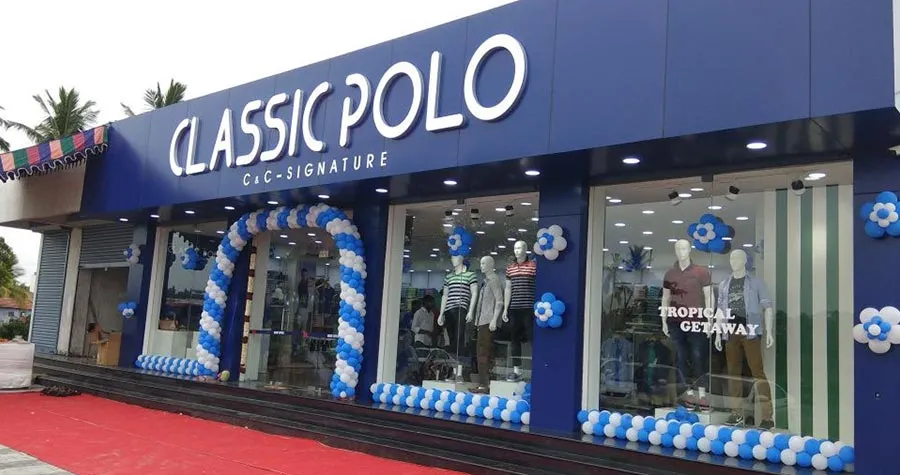
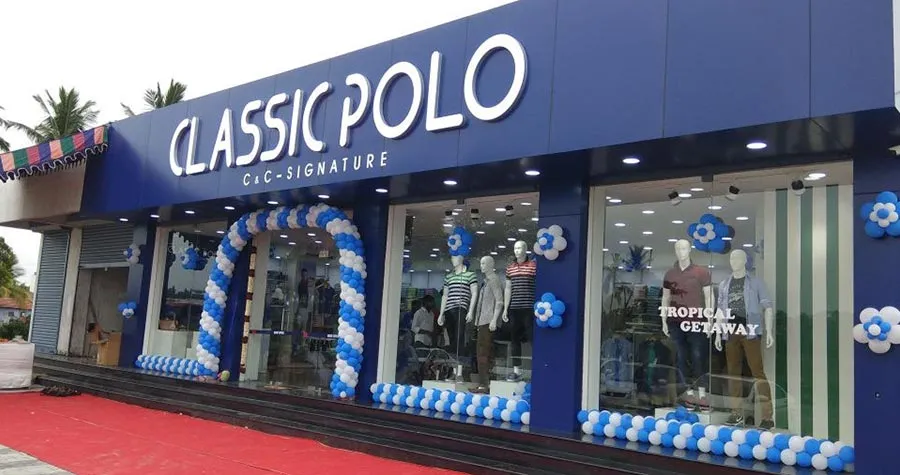
Apparel retail succeeds or fails on how merchandise looks the moment a customer walks in, and Classic Polo’s category mix makes visual discipline non-negotiable. New ranges typically arrive in phases tied to seasonal cycles — summer, monsoon, festive and winter — meaning the floor layout needs refreshing several times a year rather than once. Display standards generally cover how garments are folded, how color blocks are arranged, where new arrivals sit relative to the entrance, and how mannequins or bust displays are rotated to highlight current stock. Slow-moving inventory is usually addressed through markdown corners, bundled offers, or end-of-season clearance windows rather than left to sit indefinitely, since dead stock ties up working capital that a mid-investment format cannot afford to leave idle. Ultimately, the franchisee is accountable for whether the store looks brand-consistent on any given day — staff can execute the layout, but someone has to audit it regularly, because a store that looks untidy loses footfall faster than poor pricing ever could.
Staff Requirements and the Hiring Reality
A typical store needs a small team of two to eight people, scaling with store size and footfall, and the composition usually includes a store manager or senior salesperson, billing staff, and floor assistants. In Tier 2 and Tier 3 towns, where experienced apparel retail staff are genuinely hard to find, franchisees often end up hiring for attitude over experience and building competence through structured on-the-job training rather than waiting for ready-made talent. Retention tends to improve when staff are given clear growth paths — moving from floor assistant to billing to shift supervision — and when incentive structures reward upselling and customer handling rather than just attendance. Local hiring through community networks, nearby retail competitors, and even walk-in applicants who shop at the store themselves often works better than formal recruitment channels in smaller markets.
Supply Chain, Reordering and Inventory Management
Orders typically flow through a structured indenting process where the franchisee selects from the current season’s catalogue based on store size, local demand patterns and past sales data. Lead times from order placement to delivery generally run into a few weeks, which means reordering has to be planned ahead of anticipated demand spikes rather than reactively. Minimum order quantities are usually set per style and size combination to keep replenishment economically viable for both sides. When a fast-moving size or design sells out before the next scheduled delivery, franchisees commonly manage the gap by cross-promoting adjacent styles, using the slot for new arrivals, or requesting an expedited top-up where the supply chain allows it. Inventory discipline — tracking which sizes and styles move fastest in a specific store — is one of the more underrated skills a franchisee develops over the first year, since it directly affects how much capital sits unsold on the shelf at any time.
Brand Support: Marketing, Promotions and National Campaigns
At the store level, marketing support generally covers brand creative, festive campaign material, in-store signage, and guidance on how national promotions should be activated locally. National campaigns around festive seasons or new collection launches are usually rolled out as ready-to-use templates — banners, social media assets, window displays — that the franchisee adapts to local language and timing. Costs are typically shared: brand-level campaigns and creative direction come from the franchisor, while hyperlocal activities such as area flyers, local influencer tie-ups, or community outreach are usually funded and executed by the franchisee. The franchisee’s real marketing job is converting national brand visibility into local footfall — timing in-store offers to coincide with campaign windows, and making sure staff are briefed on current promotions before a customer asks about them.
Who Runs a Classic Polo Store Successfully
The franchisees who do well are usually visible on the floor during peak hours — weekends, evenings, festive weeks — not because staff can’t handle a sale, but because that’s when local buying behavior reveals itself and pricing or stocking decisions need a quick read. They tend to know their immediate catchment well: which colors move faster locally, which sizes consistently run short, and which days bring in walk-ins versus planned purchases. Merchandise refresh becomes a habit rather than a task remembered only when head office sends new stock. One pattern shows up consistently across underperforming stores: investors who treat the franchise as a fully passive asset from day one, handing all decisions to staff before the business has found its rhythm, tend to see slower stabilization and weaker margins than those who stay hands-on through at least the first year.
Accepting franchise applications in 21 states & UTs


What space is required for a Classic Polo franchise store?
A store generally needs between 400 and 600 square feet, enough to display the full product range — T-shirts, shirts, trousers, denim, winter wear and accessories — across organized sections without crowding the floor.
How long does the setup process take for a Classic Polo store?
Setup is considered moderate in complexity, typically involving site finalization, interior buildout, fixture installation and initial stock loading, with most franchisees moving from agreement to store opening within a few months depending on how quickly the location is finalized.
What product training and retail operations training does Classic Polo provide?
New franchisees and their sales staff are typically trained on product knowledge, fabric handling, sizing guidance, and point-of-sale procedures before launch, with refresher input as new seasonal collections arrive.
Can a Classic Polo store be run semi-absentee with a store manager in place?
The format is structured as owner-operated, so while a trained store manager can run daily floor operations, the franchisee is expected to stay involved in oversight, particularly around peak periods and merchandise decisions, rather than stepping away entirely.
How does Classic Polo support franchisees during festive season demand peaks?
Festive periods are typically backed by dedicated campaign material, earlier stock planning for high-demand styles, and promotional guidance so that local stores can convert the seasonal footfall surge into actual sales rather than losing it to stockouts.
Disclaimer: All scores, rankings, and estimates on ForeFind are independently produced editorial assessments using publicly available data and validated brand-submitted information. They are not verified facts, financial advice, or investment recommendations. Full Disclaimer.
