



Chamundi Agarbathi Works Franchise: Store Investment, Margins and Return Timeline in India
About Chamundi Agarbathi Works
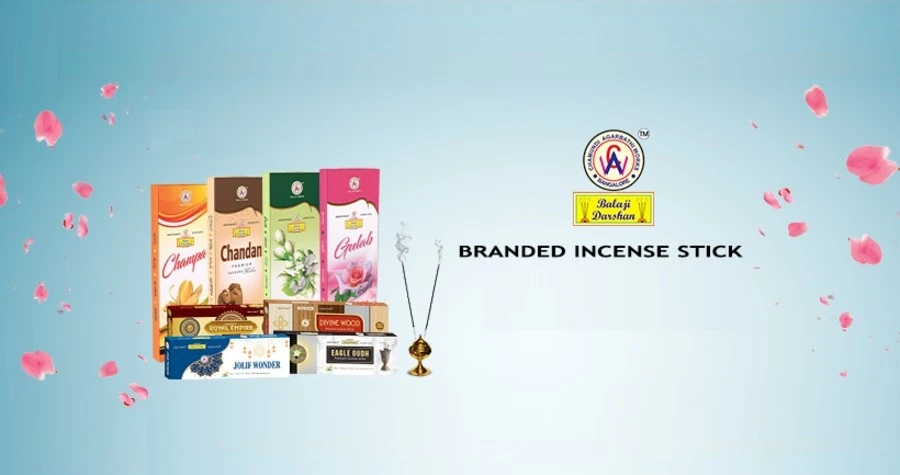
Chamundi Agarbathi Works sells incense sticks and related home fragrance products to Indian households who use them daily for religious practice, ambient fragrance, and ritual occasions — a category that sits comfortably within the broader home decor and furnishing retail space given how closely incense purchasing ties to home aesthetics and atmosphere. The brand has built its presence since the late 2000s around accessible, everyday pricing rather than a premium positioning, which suits incense’s nature as a repeat, low-ticket purchase rather than an occasional big-spend item. What should give a retail investor real confidence here is the sheer scale of the brand’s outlet footprint: a network expanding by several hundred new units annually over more than a decade points to a business model that has been tested and repeated at a volume few retail franchises in India reach, which is a far stronger signal of consumer demand durability than any single outlet’s performance could demonstrate on its own.
The Margin and Inventory Model
Incense retail typically runs on gross margins in the broad range of 25 to 35 percent at store level, with the brand’s distributor tier — operating closer to 8 to 10 percent margin on bulk supply — sitting upstream of the retail outlet rather than at the consumer-facing point of sale. This structure matters for how a franchisee should think about inventory risk: a retail outlet generally purchases stock from the brand’s supply chain rather than carrying it on a pure consignment basis, which means the franchisee does carry some inventory exposure, but incense as a product category carries minimal spoilage or obsolescence risk compared to fashion or electronics, since unsold stock retains its full value and shelf life for months rather than depreciating quickly. Clearance or markdown activity in this category tends to be rare and limited to slow-moving SKUs or packaging changes, rather than the routine seasonal discounting seen in apparel retail, which keeps the inventory model comparatively low-risk for a first-time retail investor.
Store Economics: Revenue Per Square Foot and Monthly Fixed Costs
For a compact-format outlet built around a focused incense and home fragrance assortment, the realistic revenue-per-square-foot benchmark sits meaningfully higher than what a general home decor store would achieve, simply because the product range turns over faster at a lower average transaction value, which drives more frequent footfall-to-sale conversion per square foot of display space. Covering monthly fixed costs — rent for a mall or high-street location, wages for a staff team typically in the three-to-ten range, the brand’s royalty share, and ongoing procurement — generally requires a franchisee to generate daily sales sufficient to clear several thousand rupees in gross margin contribution before fixed costs are even considered, which is a meaningfully different bar than the topline revenue figure alone suggests. This is also why the brand’s break-even window runs longer than many lower-investment categories: a store needs sustained, repeat local footfall — not a one-time opening rush — to consistently hit that daily margin threshold across twelve to twenty-four months.
The Investment Breakdown and What It Covers
An investment in the INR 2 lac to 5 lac range for this franchise typically covers store fit-out appropriate to a compact retail format, fixtures and display units suited to incense and fragrance merchandising, an opening inventory order, brand licensing fees, and initial staff training. Because the format favours a modest footprint over an expansive showroom, fit-out costs stay contained relative to other retail categories in the same investment bracket, which leaves more of the initial capital available for opening stock and working capital to bridge the months before the store reaches a steady sales rhythm. Ongoing monthly costs a franchisee should plan around include rent, staff wages, the brand’s royalty or franchise fee, and recurring inventory replenishment, with working capital discipline mattering more in this category than in faster-turnover retail, given the longer estimated break-even timeline.
Seasonality and Demand Peaks in This Category
Incense demand in India follows a comparatively gentle seasonal curve rather than the sharp peaks seen in apparel or gifting categories, since daily religious and ritual use sustains a baseline level of purchasing throughout the year. That said, festival periods — particularly those involving extended household worship and gifting traditions — do produce a noticeable uplift, and a franchisee who under-orders inventory ahead of these windows risks losing sales to whatever competing retailer happens to be better stocked at the time. In leaner months, revenue settles closer to the baseline driven by routine household replenishment rather than festival-driven spikes, which is consistent with the category’s generally low seasonality and why this format tends to deliver steadier, if less dramatic, monthly revenue than more seasonally volatile retail categories.
Online Competition and the Omnichannel Reality
Incense is a category where online marketplaces have made inroads on price-sensitive bulk purchases, but physical retail retains a meaningful edge because many customers prefer to smell a fragrance variant before committing, particularly for premium or specialty incense blends. A Chamundi Agarbathi Works franchise benefits from this preference by giving local customers a place to sample and select in person, with the brand’s recognised name reducing the hesitation a shopper might otherwise feel buying an unfamiliar incense brand sight unseen online. Where digital catalogues or order-ahead options exist alongside the physical store, they tend to function best as a convenience layer for repeat customers reordering a fragrance they’ve already tried in-store, rather than as a replacement for the sampling experience that drives first-time purchase decisions in this category.
Who This Retail Investment Suits
The investor who consistently drives strong same-store sales in this format is someone who treats merchandising and local customer relationships as an active, ongoing responsibility — adjusting shelf placement around seasonal demand, training staff to guide customers through fragrance options, and personally tracking which SKUs move fastest in their specific catchment. Family-backed investors and young professionals entering retail for the first time tend to do well here precisely because the format rewards hands-on attention rather than scale of capital. It’s worth being direct about one pattern that shows up repeatedly across retail franchising: investors who treat a store as a passive income source, checking in occasionally rather than actively managing inventory and staff performance, consistently underperform peers who invest comparable capital but stay personally engaged with day-to-day store operations of their Chamundi Agarbathi Works franchise.



How much does it cost to open a Chamundi Agarbathi Works franchise store?
The investment typically falls between INR 2 lac and 5 lac, covering store fit-out, fixtures, opening inventory, brand licensing, and initial training.
What is the expected monthly revenue from a Chamundi Agarbathi Works store?
Indicative monthly revenue for an established outlet ranges between INR 1.4 lac and 5.6 lac, though actual performance depends heavily on footfall, local demand patterns, and how effectively the franchisee manages merchandising and seasonal inventory planning.
Does Chamundi Agarbathi Works provide inventory on credit or consignment to franchisees?
Franchisees generally purchase inventory through the brand's supply chain rather than operating on a pure consignment basis, though incense products carry minimal spoilage risk, which keeps inventory holding considerably less risky than in categories prone to fast obsolescence.
What is the Chamundi Agarbathi Works franchise territory and exclusivity policy?
Specific territory terms should be confirmed directly with the brand during the inquiry process, though a network of this scale typically allocates defined local catchments to protect each outlet's customer base from internal overlap.
How many Chamundi Agarbathi Works stores are currently operating in India?
The brand's outlet network has grown into the thousands since its founding, with several hundred new units added annually in recent years, reflecting one of the more aggressively expanding store counts within India's incense and home fragrance retail segment.
Disclaimer: All scores, rankings, and estimates on ForeFind are independently produced editorial assessments using publicly available data and validated brand-submitted information. They are not verified facts, financial advice, or investment recommendations. Full Disclaimer.
