



Chai Shai Bar Pvt.Ltd. Franchise: Market Position, Category Opportunity and Competitive Edge
Evaluating a Chai Shai Bar Pvt.Ltd. franchise starts with understanding the category it competes in before looking at the brand itself, since the strength of any single tea and coffee concept depends heavily on the structural momentum of the segment around it.
Chai Shai Bar Pvt.Ltd. and Where It Fits in India’s Food Franchise Landscape
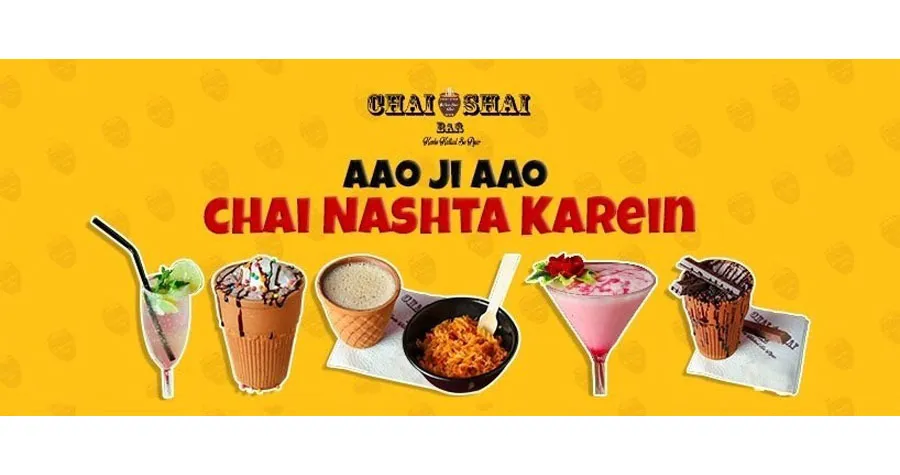
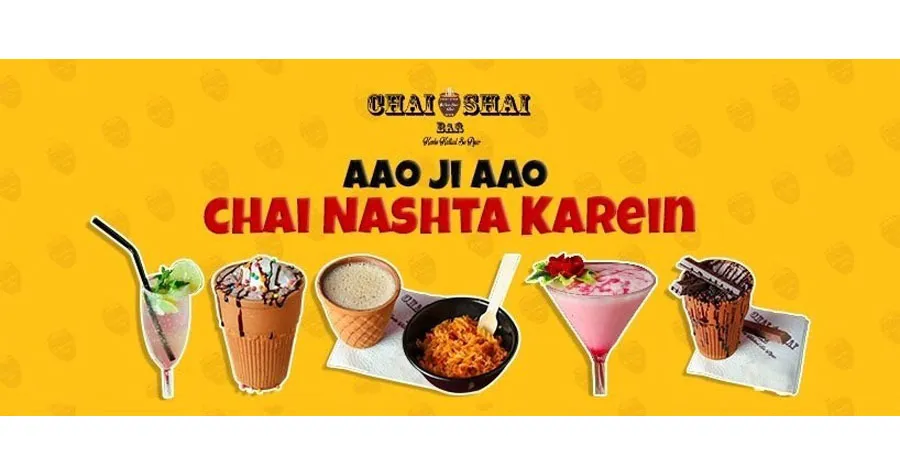
India’s tea-led café segment has carved out a distinct middle ground between the unbranded street stall and the full-format coffee chain, and Chai Shai Bar Pvt.Ltd. sits comfortably inside that middle layer. Its broad tea flavour range paired with an accessible, low-ticket fast food menu positions it as a everyday, multi-visit destination rather than an occasional treat, with pricing that keeps the brand within reach of daily spending habits rather than special-occasion budgets. This positioning is defensible because it gives the brand a wide demographic net, students, office-goers, and families alike, without forcing it to compete head-on with either ultra-cheap unorganised vendors or premium café chains charging several multiples more per cup. A flexible footprint that can scale from a compact counter to a much larger café-format space also means the brand is not locked into one category of real estate, widening the pool of viable locations considerably.
Why This Food Format Is Growing in India Right Now
A few structural shifts explain why tea-led café formats are expanding rather than losing ground. Rising incomes in Tier 2 cities have pushed a growing share of consumers toward branded, hygienic alternatives they would have skipped a decade ago in favour of the nearest unbranded stall. Delivery platform adoption has extended demand well past the physical footfall a single location can draw, turning beverage and snack orders into a channel that barely existed for this category not long ago. The broader market is also visibly shifting away from unorganised vendors toward standardised, branded formats, a move accelerated by sustained consumer interest in hygiene and consistency. Dual-income households compound this further, since less time spent making tea or snacks at home converts directly into more frequent purchases outside it. Chai Shai Bar Pvt.Ltd.’s wide menu and accessible price band put it in a strong position to absorb this shift rather than be squeezed out by either cheaper informal competitors or pricier branded alternatives.
What Chai Shai Bar Pvt.Ltd. Does Differently From Independent Food Outlets
Independent food outlets fail at a high rate in their early years for reasons that have little to do with the quality of what they serve: inconsistent recipes, no documented process, weak supplier terms, and no name recognition to draw first-time customers through the door. A franchise system removes a substantial share of this risk. The tea and food menu arrives pre-tested across other outlets rather than improvised under the pressure of a live opening. Ingredient sourcing and supplier terms are typically negotiated at a brand level, giving even a single-unit franchisee leverage that an independent operator starting from zero simply does not have. Brand recognition also tends to translate into faster traction on delivery platforms, where a recognisable name builds order volume and ratings more quickly than an unrated new listing. None of this eliminates execution risk, but it meaningfully narrows the early-stage uncertainty that typically derails independent food ventures.
The Investment Case: How Chai Shai Bar Pvt.Ltd. Compares at This Price Point
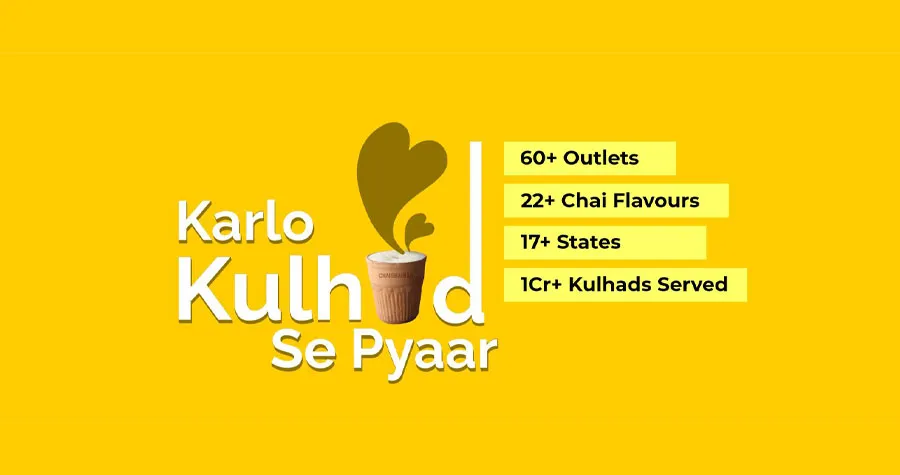
Within its investment band, the brand’s wide area flexibility, spanning compact counters through to much larger café formats, gives it room to adapt to whatever real estate is actually available in a given market rather than forcing every franchisee into one fixed shape. The network’s growth rate, adding close to six new units a year on average, points to a brand expanding at a pace that suggests demand validation without the kind of runaway growth that often strains a young system’s operational support. A six-year operating history with consistent unit growth, rather than a pattern of openings followed by closures, is generally a more reliable signal of system durability than total unit count alone, and it indicates the brand has had enough time to refine its training and supply processes across a meaningful number of outlets.
Geographic Opportunity: Where Chai Shai Bar Pvt.Ltd. Is Expanding
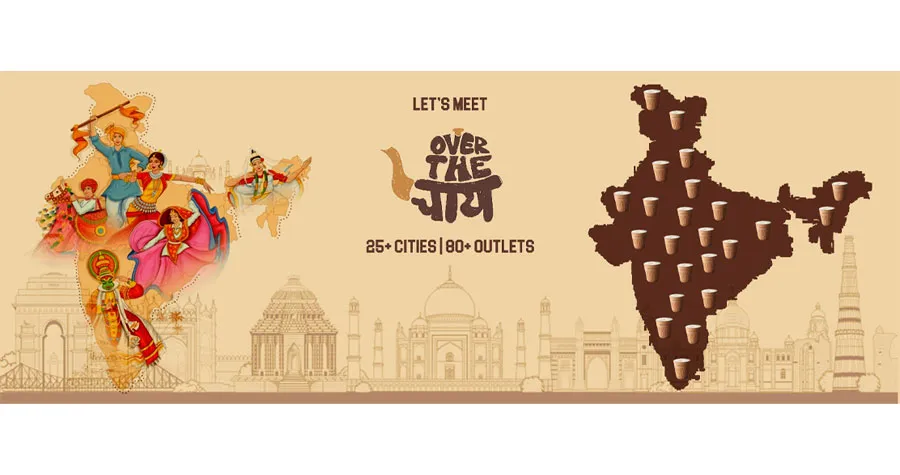
With a network currently in the twenty-to-fifty unit range, there is still considerable white space across India’s Tier 2 and Tier 3 markets. Tier 2 cities represent the most immediate opportunity, combining growing disposable incomes with comparatively thin branded competition in the tea-café segment specifically. Tier 3 towns and the suburban edges of larger metros typically follow as a second wave, once nearby Tier 2 outlets demonstrate consistent local demand. Territory allocation in this category generally follows a protected-radius structure, where a new franchisee receives a defined buffer zone to prevent overlap with another outlet from the same brand, and confirming the exact terms of this protection during due diligence is a sensible step before committing capital.
The Risks of This Category and How Chai Shai Bar Pvt.Ltd. Mitigates Them
Four risks recur across this category and play out differently within a franchise structure. Delivery platform commissions steadily compress margins on every online order, and a multi-outlet brand generally carries more leverage in commission negotiations than any single independent location could secure. Raw material volatility, particularly dairy pricing given the brand’s milk-based preparation, is partly buffered through centralised procurement relationships rather than leaving each outlet to absorb retail-rate swings alone. FSSAI compliance is a recurring obstacle for first-time food entrepreneurs, and operating under an established brand typically means inheriting a tested compliance process instead of building one under time pressure. Location dependency is the one risk no franchise system fully removes, since even the strongest brand cannot compensate for a fundamentally weak site, which is why site evaluation deserves more scrutiny than any other single decision in this process.
Who Captures the Most Value From a Chai Shai Bar Pvt.Ltd. Franchise
The gap between a nine-month break-even and a fifteen-month one rarely comes down to the brand system itself; it comes down to how well the franchisee understands their local catchment. An owner who reads actual local peak hours rather than relying on generic assumptions, who builds visible relationships with nearby offices, colleges, or residential clusters, and who stays personally engaged in daily operations tends to stabilise faster than one running the outlet at arm’s length. For anyone weighing a Chai Shai Bar Pvt.Ltd. franchise against other options in this investment range, that combination of local market knowledge and hands-on presence, more than the brand name alone, is usually what decides how quickly the investment turns profitable.
Accepting franchise applications in 35 states & UTs
How does Chai Shai Bar Pvt.Ltd. compare to other food franchises in the same investment range?
Its wide tea flavour range and accessible price band give it a broader everyday customer base than many narrower single-product franchises competing in the same investment tier.
Does Chai Shai Bar Pvt.Ltd. work in Tier 2 and Tier 3 cities in India?
Yes, and these markets currently offer the strongest growth potential given rising local spending power and comparatively limited branded competition in the tea-café category outside major metros.
What is the Chai Shai Bar Pvt.Ltd. franchise expansion plan for the next two years?
The brand has been adding a steady run of new outlets each year, suggesting continued expansion focused on underserved Tier 2 and Tier 3 markets over the coming two years.
How does Chai Shai Bar Pvt.Ltd. handle competition from food delivery aggregators?
Rather than competing purely on price, the brand leans on its multi-outlet scale to negotiate better platform terms while keeping its menu and packaging suited to holding up well through delivery.
What support does Chai Shai Bar Pvt.Ltd. provide for local marketing?
Local marketing support generally covers brand assets, signage, and launch visibility, while building ground-level customer awareness within the immediate catchment remains an area where franchisee involvement makes a real difference.
Disclaimer: All scores, rankings, and estimates on ForeFind are independently produced editorial assessments using publicly available data and validated brand-submitted information. They are not verified facts, financial advice, or investment recommendations. Full Disclaimer.
