



About the brand
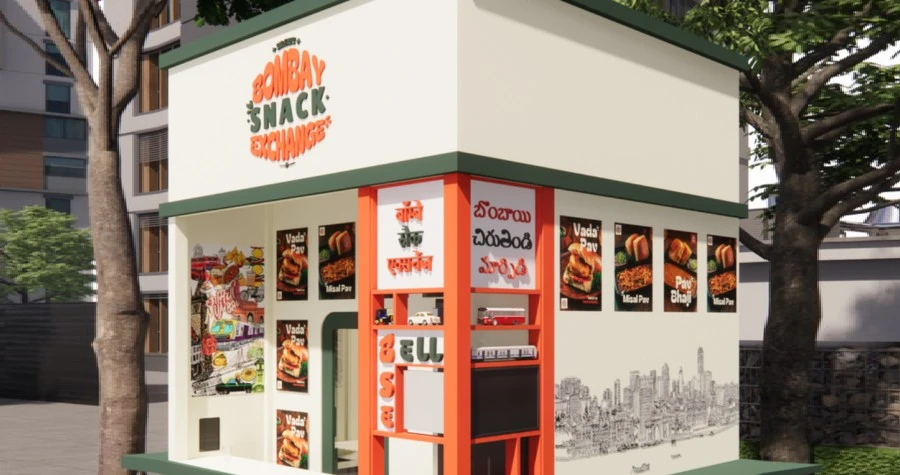
Bombay Snack Exchange Franchise
Franchise Quick Facts
| Brand Name | Bombay Snack Exchange (BSE) |
|---|---|
| Industry / Category | Quick Service Restaurants (QSR) / Street Food |
| Founded Year | 2025 |
| Franchise Started Year | 2025 |
| Total Franchise Outlets | 1–10 |
| Estimated Investment | INR 5 Lakh – 10 Lakh |
| Franchise Fee | Not specified |
| Royalty Fee | Not specified |
| Space Requirement | 100 – 150 sq. ft. |
| Expected Payback Period | 1–2 Years |
1. What is Bombay Snack Exchange?
Bombay Snack Exchange is a quick service restaurant brand offering Mumbai street food in a hygienic and standardized format. The brand targets consumers seeking authentic street food flavors in a clean, consistent, and modern environment.
2. How the Business Works
The outlets operate using pre-prepared ingredients delivered from a central kitchen. Food is largely frozen or partially pre-cooked, allowing quick assembly at the outlet. This reduces reliance on skilled chefs and ensures uniform quality across all locations.
Revenue is generated through:
- Sale of core Mumbai street food items
- Beverage and side-item add-ons
- Repeat visits from regular customers due to consistent taste and service
3. Products or Services Offered
The menu is structured around iconic Mumbai street foods.
Core Items
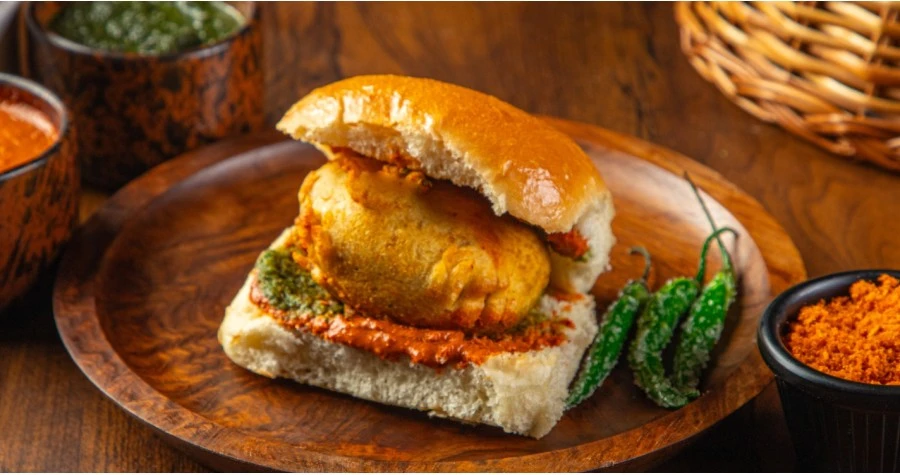
- Vada Pav (classic, cheese-filled, spicy variants)
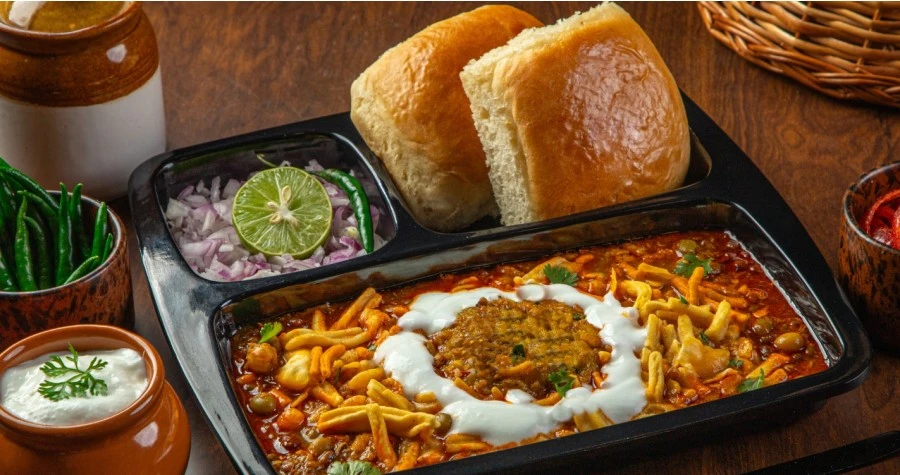
- Misal Pav (protein-rich curry with sprouted lentils and farsan)
- Pav Bhaji (vegetable mash with buttered pav)
Beverage Options
- Cutting Chai (half-serving spiced tea)
- Seasonal beverages like kokum sharbat and lemonade
Sides
- Masala fries
- Signature chutneys
The offerings are designed for quick service and consistent customer experience.
4. How the Franchise Model Works
The franchise model is designed for ease of operation and rapid scalability.
Franchise Partner Role
- Manage daily outlet operations
- Serve customers and maintain hygiene standards
- Follow standardized assembly and serving procedures
Operational Structure
- Central kitchen produces core food items
- Outlets primarily assemble and serve
- Low dependency on skilled labor
Franchisor Support
- Supply chain for pre-prepared ingredients
- Operational guidance and training
- Standardized processes to maintain quality
This plug-and-play model is suitable for first-time entrepreneurs and multi-brand operators.
5. Franchise Cost and Investment Overview
BSE provides a low-to-mid investment entry point in the QSR segment.
Estimated Investment
- INR 5 Lakh – 10 Lakh
Cost Components
- Outlet setup and furnishing
- Kitchen equipment for assembly and storage
- Initial inventory and pre-prepared ingredients
Ongoing Costs
- Staff salaries
- Rent and utilities
6. Space and Infrastructure Requirements
The outlet requires a compact retail space.
Space Requirement
- 100 – 150 sq. ft.
Location Type
- Urban or semi-urban high footfall areas
- Near offices, colleges, or transit points
Infrastructure Needs
- Basic assembly kitchen
- Storage for frozen/prepared ingredients
- Minimal seating or takeaway counter
Staffing
- Small team due to simplified operations
7. Training and Franchise Support
Franchisees receive support in operations and brand standards.
Training Areas
- Food assembly and serving procedures
- Customer service
- Inventory management and hygiene
Support Systems
- Supply chain for pre-prepared food
- SOPs for consistent taste and presentation
- Guidance for store setup and operational efficiency
8. Revenue Model and ROI Factors
Revenue is generated from frequent, low-ticket food items with strong repeat demand.
Revenue Drivers
- Popular street food items attracting daily customers
- Beverage and side-item add-ons
- High repeat purchase due to consistency
Operational Efficiency
- Pre-prepared ingredients reduce labor requirements
- Standardized menu minimizes waste
Payback Period
- 1–2 years depending on location and sales volume
9. Brand History and Expansion
BSE was established and began franchising in 2025. The brand is in the early stages of expansion with a limited number of outlets (1–10), targeting high-demand urban and semi-urban locations.
10. Key Advantages of the Franchise
- Authentic Mumbai street food with standardized quality
- Compact outlet format requiring low space and low investment
- Pre-prepared ingredients reduce labor and operational complexity
- Quick assembly allows rapid service and high turnover
- Suitable for first-time entrepreneurs and multi-brand operators
11. Investor Questions
What is the investment required for Bombay Snack Exchange franchise?
The total investment ranges from INR 5 Lakh to 10 Lakh, covering setup, equipment, and pre-prepared inventory.
How does the Bombay Snack Exchange franchise business work?
Outlets use a central kitchen supply for pre-prepared food, allowing quick assembly and service while maintaining consistent quality across locations.
What space is required for the franchise?
A compact space of 100–150 square feet is sufficient for operation.
How long does it take to recover the investment?
The expected payback period ranges from 1 to 2 years depending on location performance and sales volume.
How can investors apply for the franchise?
Investors can apply through official franchise channels, completing the onboarding and operational training process.
Similar Franchise Opportunities
- Bombay Cutting Chai – Tea and snacks
- Bolton Pizza And Burger – Pizza and burger QSR
- Bombay Misal – Vada Pav – Street food franchise
- Bombay Fast Food Corner – Street food café
- Bombay Meri Jaan – Chaupati cuisine QSR
Investment and financials
Investor fit profile
Franchise support
Brand strength
Licences and compliance
Gallery
Disclaimer: All scores, rankings, and estimates on ForeFind are independently produced editorial assessments using publicly available data and validated brand-submitted information. They are not verified facts, financial advice, or investment recommendations. Full Disclaimer.
