



Bombay Dyeing Franchise: Store Operations, Daily Management and What Owning This Business Looks Like
What Bombay Dyeing Sells and Who Buys It
Established in 1879, Bombay Dyeing is one of India’s oldest home textiles brands, and that heritage is genuinely relevant to a franchise investor. The product range spans bed linen, bath towels, home furnishings, and children’s towels — categories that households replenish on a regular cycle rather than on impulse. That repeat-purchase dynamic is the commercial foundation of the franchise. A family that buys bed linen from a Bombay Dyeing store for a wedding or home renovation is not a one-time transaction; if the quality meets expectations, they return for towels, pillow covers, and seasonal refreshes. The brand’s positioning sits at accessible premium — above unbranded bazaar stock, below luxury imports — which keeps the addressable customer base wide across income tiers.
What Happens in a Bombay Dyeing Store Every Day
Running a store in this category is less about managing footfall surges and more about maintaining consistent presentation and service quality across each trading day. Opening procedures involve floor readiness checks — ensuring display shelving is stocked, folded merchandise is presentable, and the POS system is reconciled from the previous day’s closing. Through the morning, a sales associate handles walk-in customers while a second team member manages replenishment from back-stock, replacing sold units on the floor before gaps become visible.
The franchisee’s personal role is most consequential during the afternoon and early evening, when footfall typically peaks in mall and high-street formats. Customer queries on this product category often require guidance — thread counts, size compatibility, material care — and a trained owner who knows the range well closes more sales than a junior staff member reading from a label. End-of-day reconciliation, stock count updates, and next-day preparation are tasks that can be delegated to a trusted senior staff member once the team is established, but in the early months, owner oversight of daily closing processes prevents inventory discrepancies from compounding.
Merchandise Planning, Display and Visual Standards
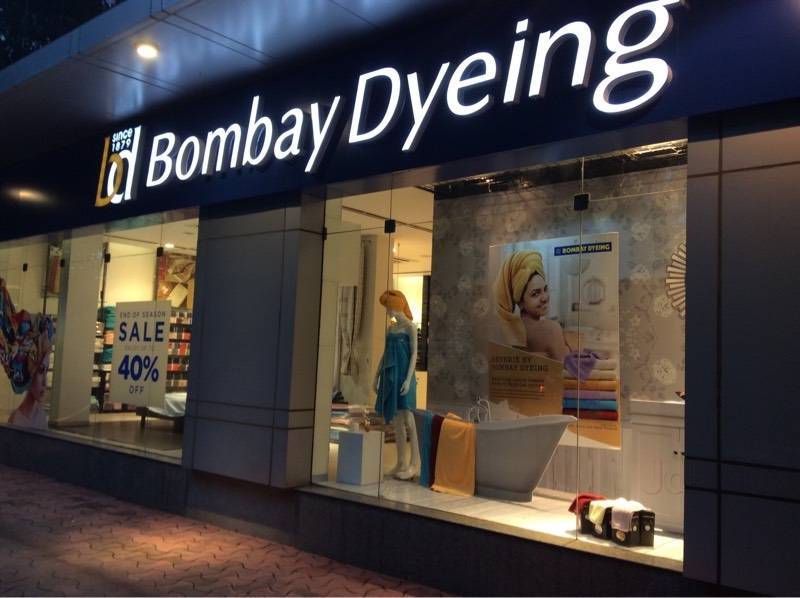
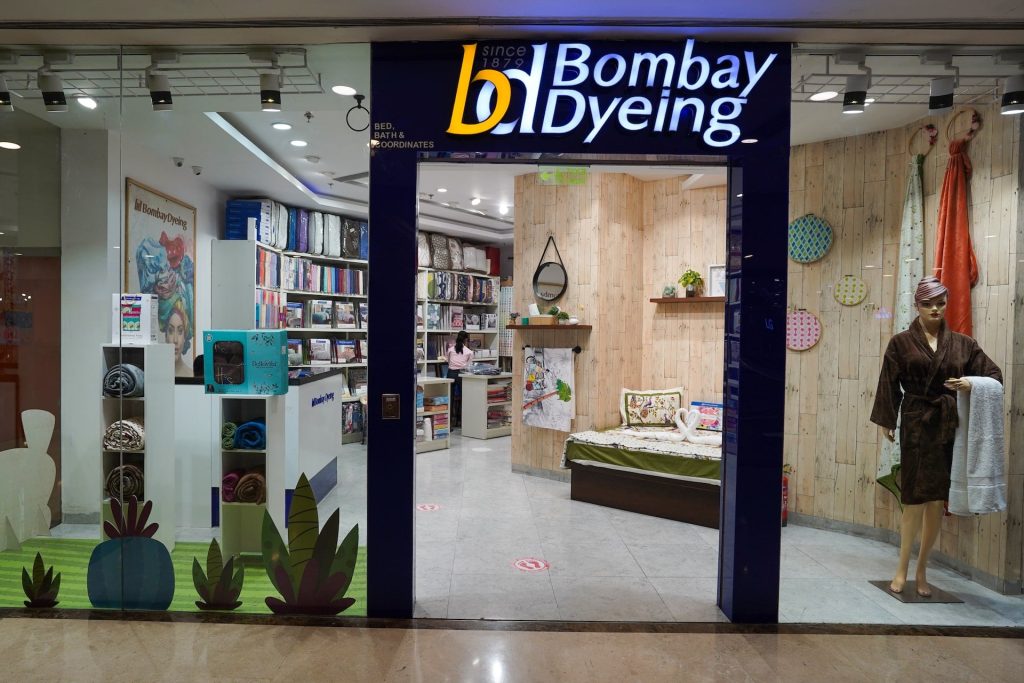
Home textiles retail lives and dies on display quality. Folded linen on a shelf looks identical to a competitor’s product at three metres — what differentiates it is colour blocking, tactile access, and coordinated presentation that lets a customer visualise the product in their home. Bombay Dyeing’s store format, operating across 300 to 500 square feet, requires the franchisee to maintain brand-consistent visual standards at all times, not just at launch. This means refolding disturbed merchandise during the day, rotating display stock to prevent sun fade near windows, and updating shelf layouts when new product ranges arrive from the brand.
Slow-moving inventory is a genuine operational challenge in textiles — colours and designs that do not resonate locally can sit on shelves for weeks. Franchisees who monitor sell-through by SKU and flag underperforming lines to the brand early are better positioned than those who wait for the issue to resolve itself. In the Indian franchise market, brands at this tier typically conduct seasonal range updates, so a store that communicates field feedback on product performance has a better chance of receiving relevant new stock.
Staff Requirements and the Hiring Reality
Two to eight staff members covers a wide range of store configurations — the lower end applies to a compact outlet with one full-time and one part-time associate, while the upper end reflects a larger format with a store manager, two or three sales associates, and support staff during peak periods. In Tier 2 cities, finding retail candidates with prior experience in a branded linen or home furnishings environment is genuinely difficult. The more practical hiring strategy is to recruit for attitude and communication ability, then train on product knowledge in-house.
Retention is a more persistent challenge than hiring. Trained retail staff in smaller markets are frequently poached by other franchise operators once they demonstrate competence. Franchisees who invest in small performance incentives tied to monthly sales targets, and who treat staff development as an ongoing responsibility rather than a one-time induction, build more stable teams. A reliable senior associate who can manage the floor independently during the franchisee’s absence is worth retaining carefully.
Supply Chain, Reordering and Inventory Management
Inventory management in a home textiles franchise is a balancing act between adequate cover and dead stock. Ordering too conservatively ahead of demand peaks leaves shelves thin when footfall rises; ordering too aggressively ties up working capital in slow-moving lines. Franchisees place replenishment orders through the brand’s supply system, with lead times that vary by product type and warehouse location. Core lines — white and neutral bed linen, standard bath towels — are generally available for faster replenishment than seasonal or design-specific ranges.
When a popular product sells out before the next planned delivery, the franchisee’s options are limited to communicating expected restock dates to interested customers or placing an expedited order if the brand’s system permits it. Maintaining a small buffer of best-selling SKUs — rather than trying to optimise down to zero back-stock — reduces the number of missed sales during high-footfall periods. Franchisees should clarify minimum order quantities and reorder frequency directly with the brand before finalising their working capital plan.
Brand Support: Marketing, Promotions and National Campaigns
A brand with over 140 years of market presence runs national marketing activity through multiple channels — television, print, and increasingly digital — that builds category awareness the individual franchisee benefits from without funding directly. At store level, the practical expression of this support typically includes point-of-sale materials, seasonal promotional assets, and window display guidance aligned with campaign themes. What the franchisee funds independently is local activation: proximity marketing, in-store events during festive periods, and social media content for local audiences.
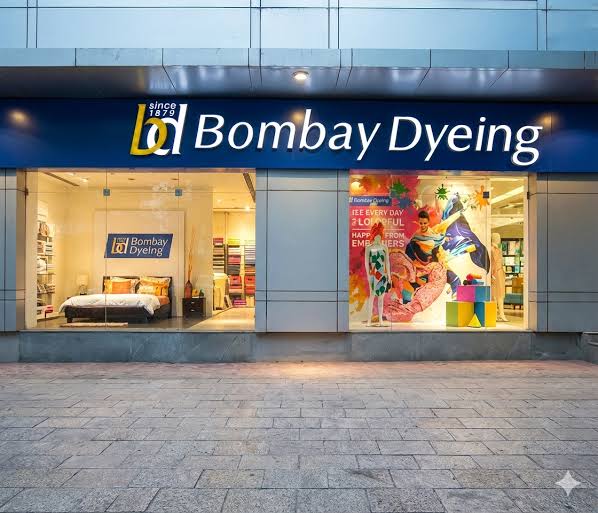
The gap between national brand awareness and local store traffic is one that franchisee effort fills. A Bombay Dyeing store in a mid-size city that runs consistent local engagement — WhatsApp groups for loyal customers, targeted offers during the wedding season, visible window displays during Diwali — will generate higher footfall than one that relies entirely on brand-level advertising to bring customers in.
Who Runs a Bombay Dyeing Store Successfully
The franchisee profile that performs well in this format combines retail discipline with genuine local market knowledge. They understand which product categories move fastest in their specific catchment, they are present on the floor during peak hours rather than managing remotely, and they treat merchandise refresh and display standards as non-negotiable disciplines rather than occasional tasks. Investors who delegate all store management to a hired team from day one, without first building operational systems and staff reliability themselves, consistently find that revenue tracks below potential until they re-engage. The Bombay Dyeing franchise rewards hands-on ownership, particularly in the first year when the store is building its local customer base.
Accepting franchise applications in 34 states & UTs
What space is required for a Bombay Dyeing franchise store?
A Bombay Dyeing franchise store requires between 300 and 500 square feet of retail space. This format suits mall units and high-street retail shops. The space needs to accommodate display shelving, a customer browsing area, a billing counter, and back-stock storage.
How long does the setup process take for a Bombay Dyeing store?
Setup timelines in this format typically run between six and twelve weeks from lease finalisation, covering fit-out, fixture installation, initial inventory procurement, and staff onboarding. Delays in fit-out approvals or supply chain for store materials can extend this timeline, so franchisees should factor in buffer time when planning their opening date.
What product training and retail operations training does Bombay Dyeing provide?
Franchisees and their key staff receive product knowledge training covering the range, material specifications, and customer consultation guidance. Operations training covers POS system usage, inventory management procedures, and brand visual standards. The depth and duration of training should be confirmed with the brand during the franchise enquiry process.
Can a Bombay Dyeing store be run semi-absentee with a store manager in place?
The store operates on an owner-operated model, and semi-absentee management consistently produces weaker results in this format, particularly in the early operating period. Once a reliable store manager has been trained and sales systems are established — typically after the first year — reduced daily owner presence becomes more viable, but franchisees should plan for active involvement through the break-even phase.
How does Bombay Dyeing support franchisees during festive season demand peaks?
During high-demand periods such as Diwali, the wedding season, and summer, Bombay Dyeing typically aligns national promotional campaigns with in-store point-of-sale support. Franchisees should plan inventory builds four to six weeks ahead of these windows and coordinate with the brand on promotional material availability. Local activation — window displays, targeted customer outreach — remains the franchisee's responsibility and significantly affects how much of the seasonal demand the store captures.
Disclaimer: All scores, rankings, and estimates on ForeFind are independently produced editorial assessments using publicly available data and validated brand-submitted information. They are not verified facts, financial advice, or investment recommendations. Full Disclaimer.
