



Blitz Institute Of Creative Arts Franchise
Franchise Quick Facts
| Brand Name | Blitz Institute Of Creative Arts (BICA) |
|---|---|
| Industry / Business Category | Education (Creative Arts & Design Training) |
| Founded Year | 2005 |
| Franchise Started Year | 2007 |
| Total Franchise Outlets | 1 – 10 |
| Estimated Investment | INR 5 Lakh – 10 Lakh |
| Franchise Fee | INR 50,000 |
| Royalty Fee | 25% |
| Space Requirement | 1200 – 2000 sq. ft. |
| Staff Requirement | 6 – 15 (faculty and administrative staff) |
| Expected Payback Period | Less than 1 Year |
1. What is Blitz Institute Of Creative Arts (BICA)?
Blitz Institute Of Creative Arts (BICA) is an education and training institute focused on creative disciplines such as fashion design, interior design, and textile design. It operates in the vocational and professional education sector, offering structured courses aimed at preparing students for careers in design-related industries.
The franchise model enables entrepreneurs to establish training centers that deliver creative education programs to students interested in design careers.
2. How the Business Works
The business functions as a classroom-based training institute with course-based enrollment.
Customer Interaction Flow
- Students enroll in specific design programs
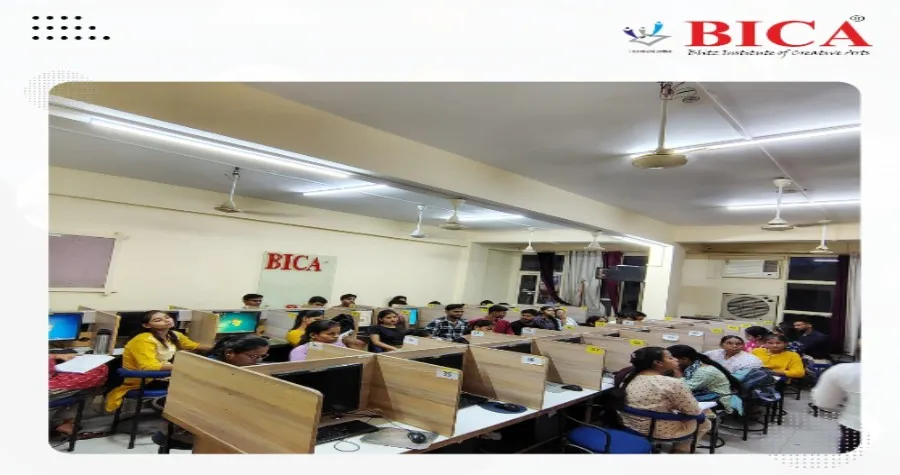
- Classes are conducted in batches with theoretical and practical sessions
- Students complete coursework and receive certifications or diplomas
Operational Workflow
- Admission and counseling for prospective students
- Course scheduling and batch management
- Delivery of classroom training and project-based learning
- Evaluation and certification processes
Revenue Generation
- Course fees paid by students
- Enrollment in multiple or advanced programs
- Fees for certifications and additional modules
The model depends on student intake, course variety, and training quality.
3. Products or Services Offered
The institute provides specialized training programs in creative fields.
Core Course Categories
- Fashion Design
- Interior Design
- Textile Design
Program Features
- Combination of theoretical learning and practical application
- Exposure to design concepts, materials, and techniques
- Skill development aligned with industry requirements
Additional Services
- Certification and diploma programs
- Training in design tools and methodologies
These offerings target students aiming to build careers in creative industries.
4. How the Franchise Model Works
The franchise operates as an independently managed education center under a standardized academic structure.
Franchise Partner Role
- Set up and operate the institute
- Manage admissions, staffing, and daily operations
- Ensure delivery of courses as per defined curriculum
Operational Responsibilities
- Conduct classes and maintain training quality
- Manage faculty and administrative staff
- Handle student engagement and retention
Franchisor Role
- Provides curriculum, course materials, and academic framework
- Offers operational guidance and setup support
- Assists in faculty training and recruitment
Franchise agreements are typically structured for a defined duration, with renewal based on performance and compliance.
5. Franchise Cost and Investment Overview
The estimated investment required ranges between INR 5 lakh and INR 10 lakh.
Cost Components
- Franchise fee (INR 50,000)
- Classroom setup and interiors
- Equipment and training tools
- Marketing and initial operational setup
Ongoing Costs
- Royalty fee of 25%
- Staff salaries (faculty and administrative staff)
- Rent and utilities
- Marketing contributions or promotion fees
The investment reflects the infrastructure needed for a professional training institute.
6. Space and Infrastructure Requirements
The institute requires a structured educational facility with multiple functional areas.
Space Requirements
- 1200 – 2000 sq. ft.
Preferred Locations
- Educational hubs
- Urban or semi-urban areas with student population
- Commercial zones with accessibility
Infrastructure Needs
- Classrooms and training studios
- Equipment for design training
- Administrative office and reception area
Staffing
- Qualified design faculty
- Administrative and support staff
- Center management personnel
7. Training and Franchise Support
Franchise partners receive structured support for both academic and operational aspects.
Support Includes
- Training on course delivery and academic processes
- Access to teaching materials and curriculum
- Assistance in faculty recruitment and training
- Guidance on center setup and operations
- Marketing and promotional support
These systems help franchisees maintain consistent educational standards and operational efficiency.
8. Revenue Model and ROI Factors
Revenue is driven by course enrollments and student retention.
Key Revenue Drivers
- Number of students enrolled per batch
- Range and pricing of courses offered
- Repeat enrollments for advanced programs
Customer Segments
- Students pursuing careers in design
- Individuals seeking creative skill development
- Aspiring professionals in fashion and interior industries
Profitability Influencers
- Location and local demand for design education
- Quality of faculty and training outcomes
- Batch utilization and course scheduling
The expected payback period is less than one year, depending on enrollment volume and operational efficiency.
9. Brand History and Expansion
- Established in 2005
- Franchise expansion began in 2007
- Current network includes 1 to 10 franchise centers
The brand has developed its presence in creative education and is expanding through franchise-based training centers.
10. Key Advantages of the Franchise
- Operates in the growing creative education and skill development sector
- Multiple course offerings targeting diverse student segments
- Recurring revenue through course enrollments
- Structured curriculum and academic support
- Opportunity to build a local education brand
- Scalable model through additional courses and batches
Accepting franchise applications in 13 states & UTs
What is the investment required for Blitz Institute Of Creative Arts franchise?
The investment typically ranges between INR 5 lakh and INR 10 lakh, including setup, infrastructure, and franchise fee.
How does the Blitz Institute Of Creative Arts franchise business work?
The franchise operates as a training institute offering design courses, generating revenue through student enrollment and course fees.
What space is required for this franchise?
A space of approximately 1200 to 2000 sq. ft. is required to accommodate classrooms, studios, and administrative areas.
How long does it take to recover the investment?
The expected payback period is less than one year, depending on student intake and operational efficiency.
How can investors apply for the franchise?
Interested investors can apply by submitting an enquiry to the brand’s franchise team and completing the onboarding process.
Disclaimer: All scores, rankings, and estimates on ForeFind are independently produced editorial assessments using publicly available data and validated brand-submitted information. They are not verified facts, financial advice, or investment recommendations. Full Disclaimer.
