



About Bikewo Green Tech Pvt Ltd
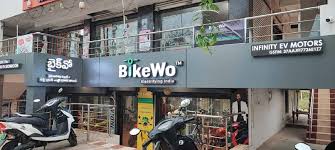
A Bikewo Green Tech Pvt Ltd franchise operates as an electric two-wheeler showroom and service outlet, selling and maintaining e-scooters and e-bikes through a growing network of outlets across India. The brand serves individual and family buyers shifting away from petrol two-wheelers, a transition gaining momentum as fuel costs and urban emission concerns push more first-time and replacement buyers toward electric options. One structural fact worth noting about India’s two-wheeler market: it is one of the largest in the world by volume, and even a modest single-digit percentage shift toward electric models each year translates into a substantial absolute number of new electric vehicles needing sales, servicing, and battery support, which is precisely the demand base this category is built to capture.
Revenue Per Vehicle and Daily Throughput Economics
Profitability in any vehicle showroom-and-service format comes down to the same two levers: how much revenue each customer interaction generates and how many vehicles the outlet processes in a day. On the sales side, electric two-wheelers carry a meaningful per-unit margin compared to routine servicing, which means a steady flow of new vehicle sales contributes disproportionately to monthly revenue relative to service-only visits. On the service side, electric drivetrains involve fewer moving parts than combustion engines, which typically means faster turnaround per service job but also a narrower range of billable repair work compared to a petrol bike workshop. A realistic outlet blends both streams, with daily throughput depending heavily on local sales volume and the size of the existing customer base requiring periodic battery checks, software updates, or component servicing. Monthly revenue is best modelled as new vehicle sales margin plus a smaller but steadily growing service revenue stream as the local installed base of sold vehicles matures.
Investment Breakdown: Equipment, Setup, and Working Capital
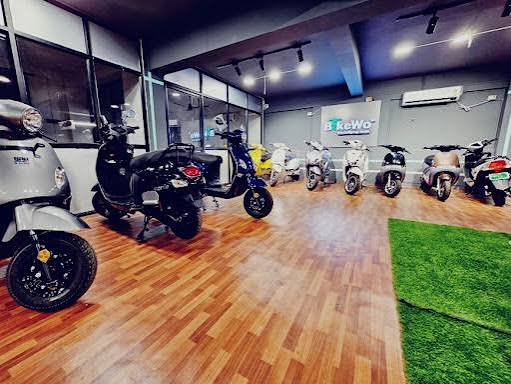
The INR 10 to 20 lakh investment band covers showroom fit-out, a service bay equipped for electric vehicle diagnostics and battery handling, an initial vehicle display inventory, brand licensing and training fees, and a working capital buffer to cover early operating costs before sales revenue stabilises. Unlike a conventional petrol bike workshop, equipment needs lean more toward electrical diagnostic tools and battery testing equipment than traditional engine tools, which changes the technician skill profile required from day one. After opening, the recurring monthly cost structure includes staff wages, premises rent where applicable, spare parts and battery component stock, and a marketing contribution, all of which need to be covered by combined sales and service revenue before the outlet clears its break-even point.
The AMC and Repeat Business Model
A showroom that depends purely on one-time vehicle sales without a structured service relationship leaves significant revenue on the table. The stronger version of this business converts every vehicle sale into an ongoing service relationship, ideally through a structured Annual Maintenance Contract covering battery health checks, software updates, and routine component servicing, since electric vehicle owners still need periodic professional servicing even though their maintenance needs differ from petrol vehicles. Outlets that actively enrol buyers into a maintenance plan at the point of sale build a recurring revenue base far more reliably than those waiting for customers to return organically when something goes wrong, and this recurring layer is what differentiates a resilient outlet from one chasing walk-in sales every single month.
Break-Even and What Drives the Timeline
The 12 to 24 month break-even range reflects how much variance exists between a well-run outlet and a slower-starting one. Daily vehicle throughput, both sales and service combined, is the dominant factor, since an outlet that builds local awareness and a referral base quickly reaches stable volume faster than one relying purely on showroom walk-ins. Average transaction value matters too, since outlets that successfully upsell maintenance plans, accessories, and financing arrangements alongside the base vehicle sale earn more per customer than those selling the vehicle alone. Staff productivity, specifically how efficiently the service team turns around battery checks and routine maintenance without long customer wait times, affects both throughput and customer satisfaction. Finally, securing institutional or corporate fleet interest, delivery companies or local businesses electrifying their two-wheeler fleet, can meaningfully shorten the break-even timeline by delivering bulk sales volume that an individual-customer sales model alone would take much longer to replicate.
Regulatory Compliance and Authorization Requirements
Operating this franchise requires manufacturer authorisation to sell and service the brand’s electric vehicles, a trade license for the commercial premises, and GST registration for billing and sales documentation. Compliance around battery handling, storage, and disposal is a category-specific consideration for electric vehicle outlets and tends to fall on the franchisee to manage locally according to municipal and environmental regulations, since these requirements vary by location. The franchisor generally supports the franchisee with documentation templates and technical guidance on these fronts, but the actual filing, inspection coordination, and ongoing compliance management remain the franchisee’s responsibility.
Who This Automotive Investment Suits
Investors with some standing in the local vehicle-buying community, whether through prior retail experience, automotive trade connections, or relationships with local businesses considering fleet electrification, tend to reach stable throughput faster than those starting without any local network. One point worth stating plainly: investors with no connection at all to the local vehicle owner community consistently struggle to build sufficient daily throughput in the early months, since both vehicle sales and service relationships in this category depend heavily on local trust and word-of-mouth rather than advertising alone.
Accepting franchise applications in 16 states & UTs
How much does a Bikewo Green Tech Pvt Ltd franchise cost in India?
Investment falls in the INR 10 to 20 lakh range, covering showroom setup, electric vehicle diagnostic equipment, initial inventory, training, and working capital.
How many vehicles does a Bikewo Green Tech Pvt Ltd outlet service per day on average?
Daily service throughput depends on the size of the local installed customer base and how actively the outlet has enrolled buyers into ongoing maintenance plans, with newer outlets seeing lower service volume than those with a few years of accumulated sales behind them.
What is the expected monthly revenue from a Bikewo Green Tech Pvt Ltd franchise?
Monthly revenue depends on the combination of vehicle sales margin and service throughput, and specific figures are best discussed directly with the franchisor given how much these vary by location and local market conditions.
Does Bikewo Green Tech Pvt Ltd provide equipment and tools as part of the franchise?
The franchise package typically includes guidance on electric vehicle diagnostic and battery-testing equipment needed for the service bay, sourced or specified as part of the setup process.
What technical training does Bikewo Green Tech Pvt Ltd provide to franchisees?
Franchisees and their technical staff receive training on electric vehicle sales, battery diagnostics, and servicing specific to the brand's product line as part of onboarding. For an investor evaluating the numbers behind this category, a Bikewo Green Tech Pvt Ltd franchise rewards an operator who builds genuine local trust and converts vehicle sales into recurring service relationships, rather than one expecting walk-in volume alone to carry the business to profitability.
Disclaimer: All scores, rankings, and estimates on ForeFind are independently produced editorial assessments using publicly available data and validated brand-submitted information. They are not verified facts, financial advice, or investment recommendations. Full Disclaimer.
