


Bana Foods Franchise
Brand Information Snapshot
| Field | Details |
|---|---|
| Brand Name | Bana Foods |
| Industry Category | Grocery / FMCG |
| Business Segment | Packaged Food Products Retail & Distribution |
| Founded Year | 2022 |
| Franchise Started Year | 2025 |
| Headquarters | Not specified |
| Number of Franchise Outlets | 1–10 |
1. What is Bana Foods?
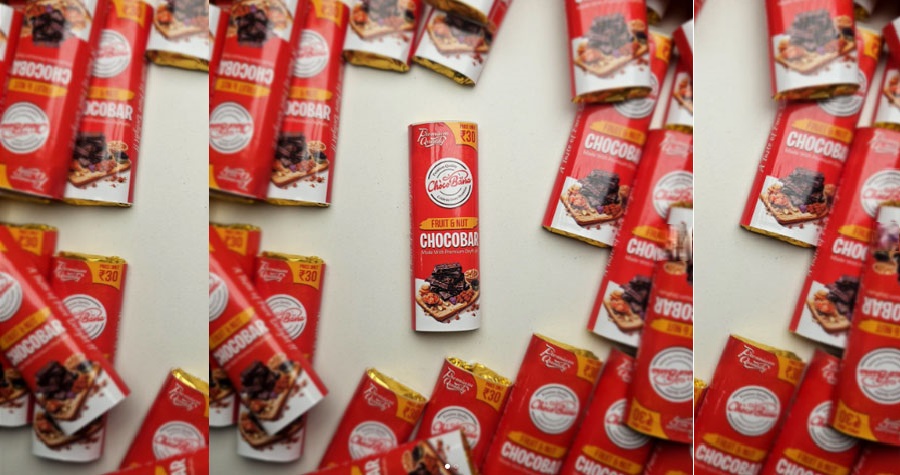
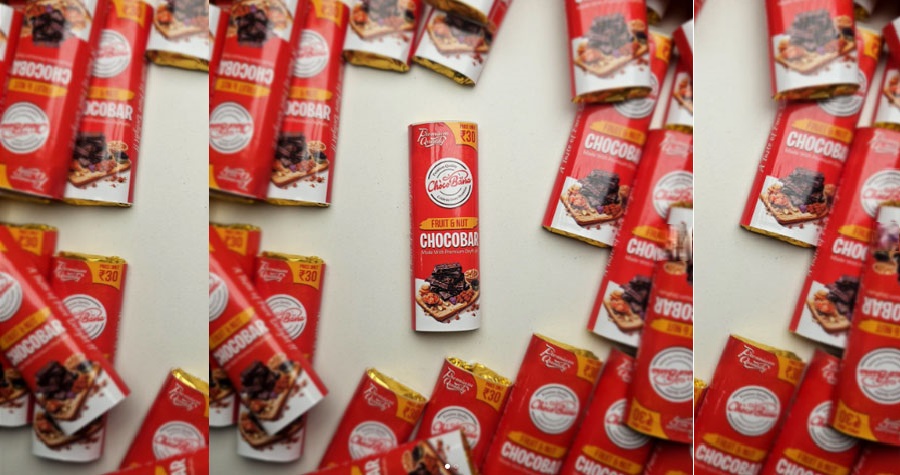
Bana Foods is a franchise business operating in the fast-moving consumer goods (FMCG) sector, offering packaged food products through retail and distribution outlets.
The brand focuses on supplying a range of food items designed for everyday consumption, serving households, retailers, and institutional buyers seeking ready-to-consume or packaged food solutions.
2. How the Business Works
The business functions through a combination of manufacturing, distribution, and retail sales.
Typical customer journey:
- Consumers purchase packaged food products from retail outlets or distribution points
- Products are selected based on daily consumption needs
- Sales occur through direct purchase or bulk supply channels
Operational workflow includes:
- Procurement or supply of packaged food products
- Inventory management and storage
- Retail sales or local distribution to customers and businesses
- Replenishment through established supply chains
Revenue is generated through:
- Retail sales of packaged food products
- Bulk orders from retailers or foodservice businesses
- Distribution margins across supply channels
3. Products or Services Offered
Franchise outlets are involved in selling a range of FMCG food products.
Packaged Food Products
- Ready-to-consume food items
- Shelf-stable grocery products
Daily Consumption Goods
- Food products used in regular household consumption
- Items catering to varied consumer preferences
Institutional Supply
- Bulk supply for hospitality and foodservice sectors
- Distribution to local retailers
The product portfolio is designed to address everyday food consumption needs.
4. How the Franchise Model Works
The franchise model is structured as a retail and distribution-based business.
Operational structure
- Franchise partners establish a small-format retail or distribution outlet
- The brand supplies packaged food products through its network
- Franchisees manage sales, customer relationships, and local operations
Franchise partner responsibilities
- Setting up and managing the outlet
- Handling inventory and product display
- Managing sales and local distribution
- Building relationships with customers and local businesses
Franchisor role
- Supplying products through a structured distribution network
- Providing operational guidance
- Supporting branding and product positioning
5. Franchise Cost and Investment Overview
The investment required reflects a small-scale retail and distribution setup.
Estimated investment
| Total Investment | INR 10 lakh – 20 lakh |
|---|---|
| Franchise Fee | INR 1,00,000 |
Cost components include
- Store setup and interior fixtures
- Initial inventory procurement
- Storage and display infrastructure
- Working capital for operations
Royalty or recurring fee details are not specified.
6. Space and Infrastructure Requirements
The business operates in a compact retail or distribution environment.
Requirements
| Space Needed | 200 – 300 sq. ft. |
|---|---|
| Preferred Locations | — |
- Residential neighborhoods
- Local markets and retail clusters
- Areas with consistent daily consumer demand
Infrastructure needs
- Storage racks and shelving
- Basic inventory management setup
- Billing and customer service counter
Staffing
- Small team sufficient for daily operations
- Owner-managed models are feasible
7. Training and Franchise Support
Support is structured around operations, product supply, and business setup.
Support includes
- Guidance on store setup and operations
- Access to product supply through distribution systems
- Assistance with inventory planning
- Operational and business management support
These systems help franchise partners maintain consistent product availability and manage day-to-day operations.
8. Revenue Model and ROI Factors
Revenue is generated through the sale and distribution of packaged food products.
Revenue drivers
- Daily demand for grocery and food products
- Repeat purchases from households
- Bulk orders from local businesses
Key ROI factors
- High-frequency consumption category
- Repeat customer base
- Efficient inventory turnover
- Margin-based earnings on product sales
Estimated payback period
- 1 to 2 years
Profitability depends on location, product mix, and sales volume.
9. Brand History and Expansion
Bana Foods was established in 2022 and began offering franchise opportunities in 2025.
The brand is in an early expansion phase with a limited number of franchise outlets.
Growth strategy focuses on:
- Expanding distribution through franchise partners
- Increasing retail presence in local markets
- Strengthening supply chain reach
10. Key Advantages of the Franchise
- Operates in a high-demand FMCG category
- Recurring revenue driven by daily consumption products
- Compact store format with manageable space requirements
- Distribution and retail revenue opportunities
- Scalable through local market expansion
- Access to structured product supply network
Franchise Investment Snapshot
| Investment Parameter | Details |
|---|---|
| Estimated Investment | INR 10 lakh – 20 lakh |
| Franchise Fee | INR 1,00,000 |
| Royalty Fee | Not specified |
| Space Requirement | 200 – 300 sq. ft. |
| Payback Period | 1–2 years |
| Number of Outlets | 1–10 |
Accepting franchise applications in 7 states & UTs


Disclaimer: All scores, rankings, and estimates on ForeFind are independently produced editorial assessments using publicly available data and validated brand-submitted information. They are not verified facts, financial advice, or investment recommendations. Full Disclaimer.
