



Art Elixir Franchise
Brand Information Snapshot
| Brand Name | Art Elixir |
|---|---|
| Industry Category | Vocational Training |
| Business Segment | Art Education & Creative Skill Development |
| Founded Year | 2016 |
| Franchise Started Year | 2019 |
| Headquarters | Ahmedabad, India |
| Number of Franchise Outlets | 1–10 |
1. What is Art Elixir?
Art Elixir is a vocational training franchise operating in the art education sector, offering structured courses in drawing, painting, and creative arts through studio-based learning centers.
The brand serves children, hobby learners, and individuals seeking formal or recreational art education across different skill levels.
2. How the Business Works
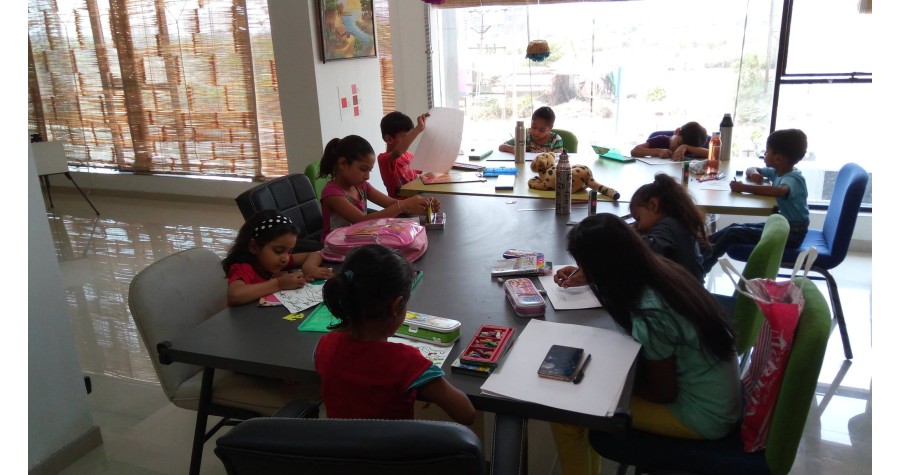
The business operates as an education center delivering art-based training programs.
A typical customer journey includes:
- Students or parents enquiring about available courses
- Enrollment into age-specific or skill-based programs
- Regular attendance in classes conducted at the center
- Progression through structured learning modules
Daily operations at a franchise center include:
- Managing class schedules and batches
- Delivering training sessions through instructors
- Handling student enrolments and fee collection
- Maintaining classroom materials and supplies
Revenue is generated through course fees paid by students, often on a monthly or program basis.
3. Products or Services Offered
Art Elixir provides a range of art education programs across different formats.
Core Art Courses
- Drawing and sketching
- Painting (watercolors, acrylics, oil on canvas)
Specialized Art Forms
- Warli art and traditional styles
- Art and craft programs
Learning Structure
- Courses designed for different age groups
- Beginner to advanced level training
- Curriculum-based progression
The offerings are designed to cater to both hobby learners and skill-focused students.
4. How the Franchise Model Works
The franchise model allows partners to operate an art training center under a standardized curriculum.
Role of the Franchise Partner
- Set up and manage the art academy
- Hire or manage instructors
- Conduct classes and manage student batches
- Promote the center locally to attract enrollments
Operational Structure
- Centers operate as training studios
- Curriculum and course structure are predefined
- Revenue depends on student enrolment and retention
Franchisor Support
- Access to structured curriculum and teaching methodology
- Operational guidance for setting up and running the center
- Support in marketing and student acquisition
The model focuses on delivering consistent training experiences across locations.
5. Franchise Cost and Investment Overview
The investment requirement is moderate for an education-based franchise.
Estimated Investment Range
- INR 2 lakh to INR 5 lakh
Franchise / Brand Fee
- INR 2,50,000
Royalty Fee
- 20%
Cost Components
- Studio setup and interiors
- Art materials and teaching equipment
- Marketing and branding
- Staff hiring and training
The cost varies depending on center size and scale of operations.
6. Space and Infrastructure Requirements
The business requires a classroom-style setup for conducting art sessions.
Space Requirement
- 750 to 1500 sq. ft.
Preferred Locations
- Residential areas with family population
- Near schools or educational hubs
- Community centers or local commercial zones
Infrastructure Needs
- Classroom seating and workstations
- Art supplies and storage
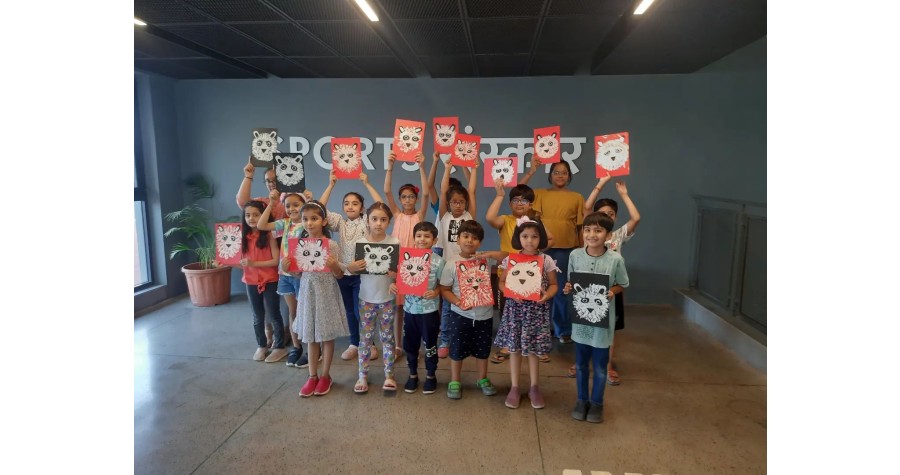
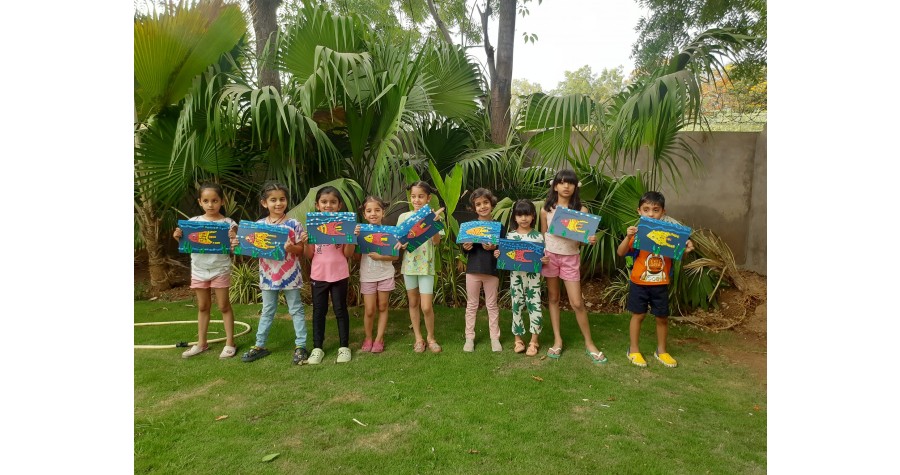
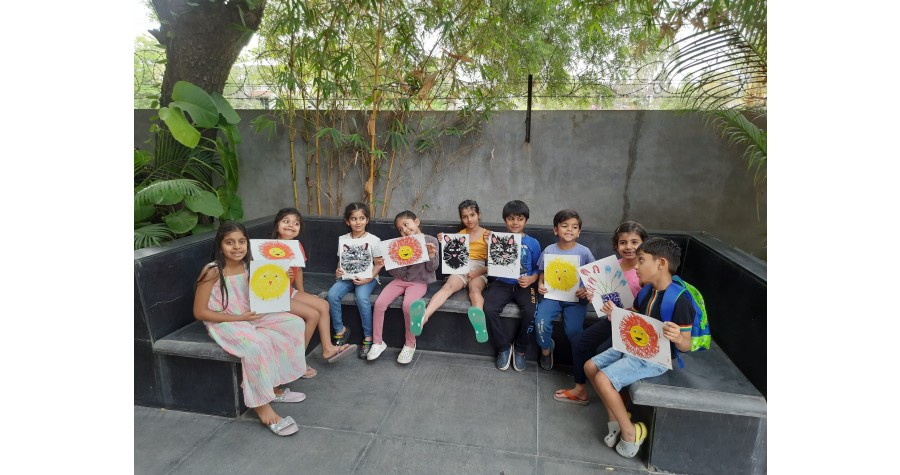
- Display space for student work
Staffing
- Art instructors or trainers
- Administrative staff for operations
7. Training and Franchise Support
Franchise partners receive support for both academic and operational aspects.
Training Support
- Guidance on delivering art curriculum
- Instruction on managing different age groups
Operational Support
- Assistance with center setup
- Support in managing class schedules and operations
Marketing Support
- Help with local promotions and brand visibility
- Strategies for student acquisition
These systems help franchisees establish and run the center effectively.
8. Revenue Model and ROI Factors
Revenue is primarily generated through student enrolments.
Revenue Streams
- Course fees from students
- Fees from specialized or advanced programs
Key Revenue Drivers
- Demand for extracurricular and creative education
- Repeat enrolment for progressive learning levels
- Batch-based class structures
ROI Considerations
Estimated Payback Period: 1–2 years
- Number of active students and batch utilization
- Pricing of courses
- Operational cost management
Margins improve with higher student capacity utilization.
9. Brand History and Expansion
- Established in 2016
- Entered franchising in 2019
- Operates as an art education academy with structured programs
- Current network includes 1–10 franchise outlets
The brand is in a growth phase, expanding through franchise-led centers.
10. Key Advantages of the Franchise
- Operates in the growing extracurricular education segment
- Recurring revenue through ongoing student enrolments
- Structured curriculum reduces operational complexity
- Moderate investment compared to large training institutes
- Suitable for expansion across residential and urban markets
- Scalable through batch-based teaching model
Franchise Investment Snapshot
| Estimated Investment | INR 2 lakh – 5 lakh |
|---|---|
| Franchise Fee | INR 2,50,000 |
| Royalty Fee | 20% |
| Space Requirement | 750 – 1500 sq. ft. |
| Payback Period | 1 – 2 years |
| Number of Outlets | 1–10 |
Accepting franchise applications in 35 states & UTs
Disclaimer: All scores, rankings, and estimates on ForeFind are independently produced editorial assessments using publicly available data and validated brand-submitted information. They are not verified facts, financial advice, or investment recommendations. Full Disclaimer.
