


Amrutveda Franchise
Brand Snapshot
Brand Name: Amrutveda
Industry / Category: Wellness & Organic Products
Business Type: Direct Selling / Retail Distribution Model
Founded Year: 2005
Franchise Started: 2018
Headquarters: Centralized operations supporting product distribution and partner network
Total Franchise Outlets: 1–10
1. What is Amrutveda?
Amrutveda is a wellness-focused business operating in the organic and Ayurvedic products segment, combining retail distribution with a direct selling model. The brand offers herbal and lifestyle products inspired by traditional health systems and targets consumers interested in natural wellness solutions.
It falls within the broader health and wellness franchise category, particularly in the direct selling and distribution-based business model.
The Business Concept
The concept is built around two parallel components:
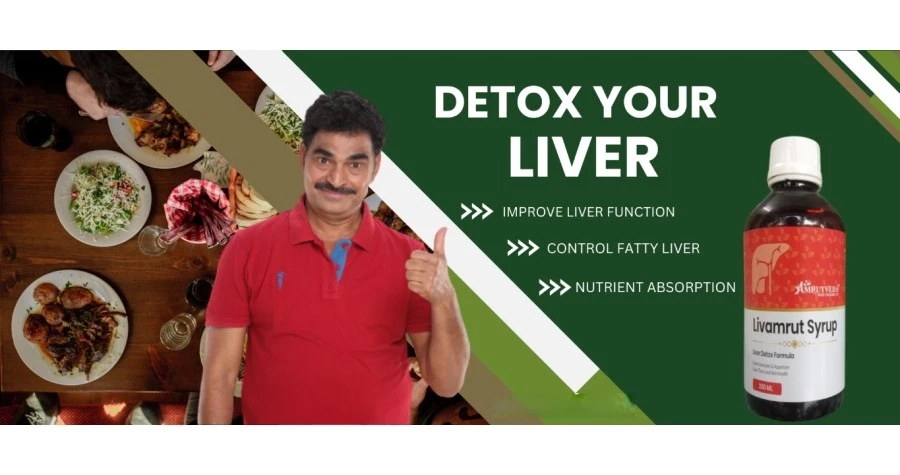
- Sale of wellness and herbal products
- Development of an independent distributor network
Unlike standard retail outlets, the model integrates product sales with relationship-driven distribution. It also emphasizes education, training, and community-based business building as part of its operating structure.
2. How the Business Works
The business operates through a combination of retail-level product sales and network-based distribution.
Customer Interaction:
- Customers purchase products directly through outlets or distributors
- Sales may also occur through personal networks and referrals
Operational Flow:
- Products are sourced and distributed through the brand’s supply system
- Franchise partners or distributors manage local sales and outreach
- Training and product knowledge play a key role in selling
Revenue Generation:
- Direct sale of wellness products
- Repeat purchases from existing customers
- Network-driven sales through referrals and expansion
This structure relies on both product demand and the growth of distribution networks.
3. Products or Services Offered
The portfolio is centered around wellness, lifestyle, and natural products.
Key Categories:
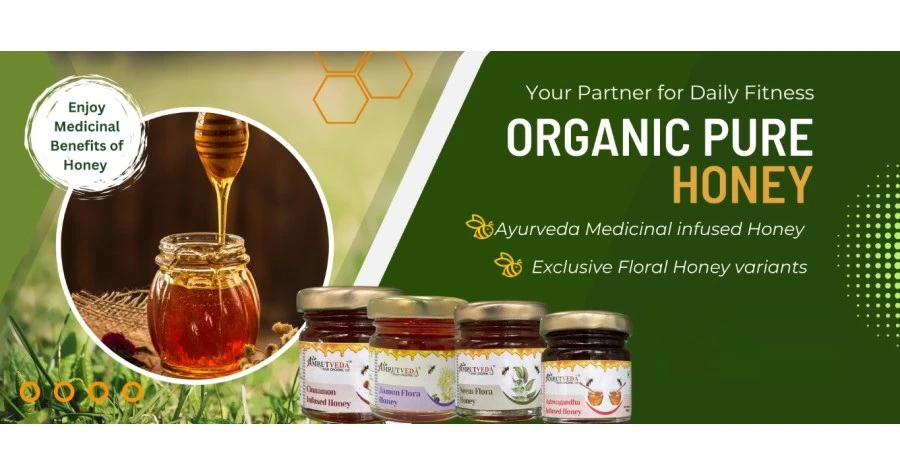
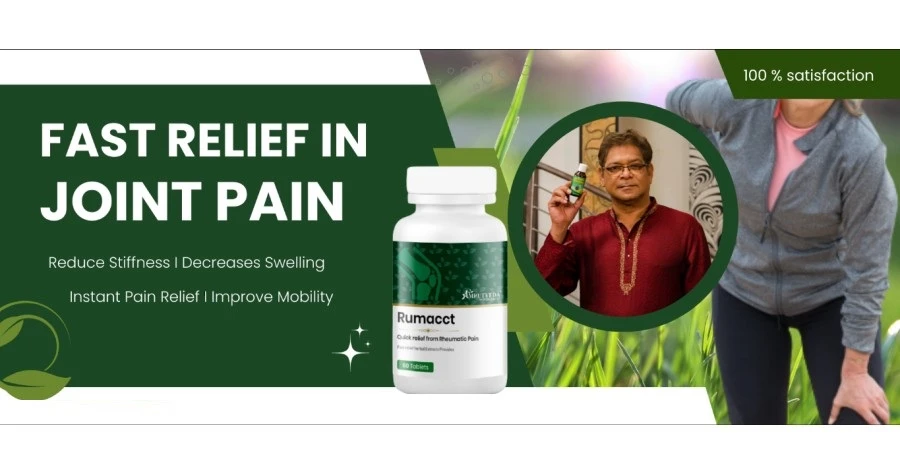
1. Herbal and Ayurvedic Products
- Supplements and wellness formulations
- Products designed around traditional health systems
2. Eco-Friendly Household Products
- Items positioned around sustainable living
- Products aimed at everyday usage
3. Lifestyle and Wellness Solutions
- Products supporting holistic health and personal care
The offering focuses on recurring consumption, which can support repeat purchase cycles.
4. How the Franchise Model Works
The model combines elements of franchise operations and direct selling participation.
Role of the Franchise Partner:
- Operate as a distributor or local business operator
- Sell products directly to customers
- Build and manage a network of additional sellers
Responsibilities:
- Maintain product knowledge and customer relationships
- Conduct local outreach and awareness
- Manage inventory and order flow
Brand Support Structure:
- Provides product supply and system framework
- Offers training and educational programs
- Supports business development through structured guidance
The relationship is ongoing, with emphasis on both sales performance and network expansion.
5. Franchise Investment and Cost
The entry cost is positioned in the low-investment category compared to traditional retail formats.
Investment Overview:
Estimated Investment: INR 50,000 – 2 Lakhs
Typical Cost Components:
- Initial product inventory
- Basic setup or operational tools
- Registration or onboarding costs
Fee Considerations:
- A franchise or joining fee may be part of the onboarding process
- Recurring fees in such models typically relate to product purchases or network participation rather than fixed royalties
6. Space and Setup Requirements
The business can operate with minimal physical infrastructure.
Requirements:
Area: 100 – 200 sq. ft.
Setup Flexibility:
- Small retail outlet or office space
- Can also function with limited physical presence depending on distribution model
Infrastructure Needs:
- Storage for products
- Basic display or demonstration setup
Staffing:
- Can be operated individually or with a small team
7. Training and Franchise Support
Training plays a central role in the business model.
Support Systems:
- Product knowledge training
- Sales and communication training
- Business development and leadership programs
- Ongoing mentorship and guidance
Operational Assistance:
- Guidance on building customer networks
- Support for scaling distribution channels
- Educational workshops and sessions
These systems aim to help partners develop both product expertise and business skills.
8. Revenue Model and ROI Factors
Revenue is generated through product sales and network expansion.
Revenue Streams:
- Direct product sales to customers
- Repeat purchases from existing users
- Earnings linked to distribution network growth
Demand Drivers:
- Increasing interest in wellness and natural products
- Recurring consumption patterns
- Community-based sales approach
ROI Indicators:
- Expected payback period is approximately 1–2 years
- Profitability depends on sales volume, network size, and customer retention
9. Brand History and Expansion
The company was established in 2005 and later introduced its franchise and distribution model in 2018. The network is currently at an early stage with a limited number of franchise outlets.
The growth approach focuses on expanding through individual partners and distributor-led market penetration rather than large-format retail expansion.
10. Advantages of the Franchise
- Low initial investment compared to traditional retail businesses
- Entry into the growing wellness and organic product segment
- Flexible operational model with small space requirements
- Opportunity to build recurring income through repeat purchases
- Training-driven system supporting new entrepreneurs
- Scalable structure through network-based expansion
Accepting franchise applications in 35 states & UTs

Disclaimer: All scores, rankings, and estimates on ForeFind are independently produced editorial assessments using publicly available data and validated brand-submitted information. They are not verified facts, financial advice, or investment recommendations. Full Disclaimer.
