



Acriolis India Motors Private Limited Franchise: Workshop Investment, Revenue Per Vehicle and Return Timeline
About Acriolis India Motors Private Limited
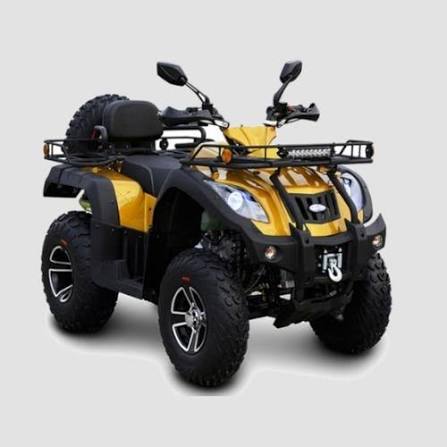
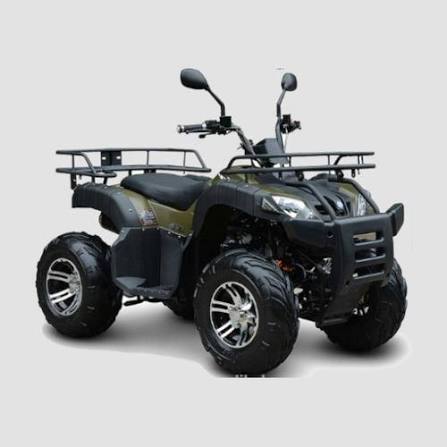
Acriolis India Motors Private Limited occupies a specific and underserved corner of the Indian automobile market — purpose-built off-road and utility vehicles engineered for terrain that standard passenger cars cannot handle. The company’s catalogue spans All-Terrain Vehicles, Utility Task Vehicles, and Off-Road Vehicles across engine displacements from 150cc to 1800cc, with seating configurations ranging from two to six passengers. This isn’t a brand chasing the crowded sedan or two-wheeler segments; it has staked its commercial identity on a vehicle category that Indian infrastructure projects, agricultural operations, and adventure tourism operators are increasingly demanding. India’s push toward rural connectivity, border infrastructure, and agri-mechanisation creates durable structural demand for vehicles that can operate where tarmac ends — the precise domain Acriolis has built its product range around.
Revenue Per Vehicle and Daily Throughput Economics
Profitability in any automotive franchise business reduces to two numbers: what each vehicle service generates, and how many vehicles move through the facility each working day. For a B2B-oriented commercial vehicle operation like this one, the average job value tends to run higher than in passenger vehicle servicing — corporate fleet operators and institutional buyers expect scheduled maintenance packages, not one-off repairs. A workshop handling specialised off-road and utility vehicles typically commands a service premium because the technician skill set is narrower and the availability of qualified service points is thinner. On throughput, a newly established outlet in this category realistically handles a modest daily vehicle count in its early months; the ceiling expands as fleet contracts accumulate. Investors should map their local addressable fleet — construction firms, mining operators, agricultural contractors — before modelling throughput assumptions, because walk-in demand for this vehicle type is not comparable to a general-purpose two-wheeler service centre.
Investment Breakdown: Equipment, Setup, and Working Capital
The ₹10,000–₹50,000 investment range positions this as among the most capital-light entry points in the Indian automotive franchise landscape. At this tier, the capital outlay is not funding a physical workshop fitout — it is covering the franchise licensing arrangement, initial training, and the brand onboarding process. The physical service infrastructure, if needed, operates from an existing facility or leased commercial space managed by the franchisee independently. There is no area requirement built into the model, which signals a distribution or dealership-adjacent structure rather than a fully kitted service bay operation. Monthly operating costs would include any staff wages within the 5–15 person range that suits the business volume, fuel, consumables, and any parts inventory the franchisee chooses to hold. The lean upfront structure does mean the franchisee carries more of the operational setup responsibility, which directly affects how quickly the outlet reaches a steady commercial state.
The AMC and Repeat Business Model
Annual Maintenance Contracts are the financial backbone of resilient automotive businesses — they convert unpredictable walk-in revenue into a committed monthly income that persists regardless of seasonal fluctuation. Whether Acriolis India Motors has formalised an AMC framework for its franchise network is a point investors should confirm directly with the franchisor during due diligence. What is structurally clear is that the B2B customer profile — corporate buyers and fleet operators — lends itself naturally to contract-based service relationships. An institutional buyer running a fleet of utility vehicles across a construction site or a logistics corridor is not going to manage maintenance through ad hoc visits; they want a scheduled, contracted arrangement with a fixed cost per vehicle. Franchisees who prioritise building even a small portfolio of AMC clients early will establish a revenue floor that protects the outlet during the high seasonality periods the brand data acknowledges.
Break-Even and What Drives the Timeline
Reaching break-even in this model is less a function of the investment amount — which is small — and more a function of how quickly the franchisee builds a sustainable transaction volume. Four variables determine which end of the timeline a franchisee lands on. First, daily vehicle count: the outlet that secures two or three fleet contracts within its first six months is operating on an entirely different trajectory than one dependent on organic walk-in traffic. Second, average job value: service work on a 1800cc off-road vehicle carries a different billing profile than a basic scheduled service; franchisees who develop technician capability for complex jobs improve their revenue per vehicle materially. Third, staff productivity: with a team of five to fifteen, labour is the dominant operating cost, and scheduling that matches staffing levels to actual vehicle volume avoids the margin erosion that comes from paying idle hours. Fourth, the franchisee’s existing network within the local fleet community — this single variable explains more of the break-even gap than any other.
Regulatory Compliance and Authorization Requirements
Operating under an Acriolis India Motors franchise requires two primary authorisations: OEM Authorization from the manufacturer and a Trade License from the relevant municipal authority. The OEM Authorization is what distinguishes an authorised service or distribution point from a grey-market operator — it is the commercial credential that corporate buyers will check before committing fleet business to any outlet. GST registration is a baseline legal requirement for any B2B-facing commercial operation at meaningful transaction volumes. Franchisees operating in states with stricter vehicle emission monitoring may also need pollution check certification depending on the nature of services offered. The franchisor’s role in supporting the compliance pathway versus what the franchisee is expected to obtain independently should be clarified before signing — in early-stage franchise networks, the regulatory support infrastructure is typically thinner than in mature systems, and the franchisee should budget time and advisory fees accordingly.
Who This Automotive Investment Suits
The investor profile that consistently builds a productive Acriolis India Motors Private Limited franchise outlet is someone already embedded in the commercial vehicle ecosystem — a fleet investor, a logistics operator, or a high-net-worth individual with existing relationships among institutional vehicle buyers. The capital requirement creates no meaningful barrier; the barrier is access. Investors without an existing connection to the local fleet operator or corporate vehicle purchasing community consistently struggle to generate the daily throughput volumes that make the economics work, because this vehicle category does not have the casual walk-in demand that sustains a general automotive service centre. The business rewards network depth over financial capital at every stage of the growth curve.
How much does an Acriolis India Motors Private Limited franchise cost in India?
The franchise investment range is ₹10,000 to ₹50,000, placing it at the low end of automotive franchise entry costs in India. This covers the franchise licensing and onboarding; physical infrastructure and working capital are managed separately by the franchisee.
How many vehicles does an Acriolis India Motors Private Limited outlet service per day on average?
Daily vehicle throughput varies with the franchisee's fleet contract portfolio and local market. Early-stage outlets typically handle a modest daily count, with volume increasing as institutional relationships and AMC arrangements are established. Investors should assess their local addressable fleet before projecting throughput figures.
What is the expected monthly revenue from an Acriolis India Motors Private Limited franchise?
Monthly revenue figures are available on inquiry directly from the franchisor. Given the B2B customer model and the specialised vehicle category, revenue outcomes are closely tied to fleet contract acquisition and average job value rather than walk-in traffic patterns.
Does Acriolis India Motors Private Limited provide equipment and tools as part of the franchise?
The franchise structure at this investment tier focuses on licensing and brand authorisation rather than a full equipment provision package. Prospective franchisees should confirm what the onboarding includes — specifically whether any diagnostic tools, technical documentation, or parts supply arrangements are part of the agreement.
What technical training does Acriolis India Motors Private Limited provide to franchisees?
Acriolis India Motors draws on a team of qualified professionals and positions technical capability as a core part of its operating model. Franchisees should ask the franchisor specifically about initial training duration, curriculum content, and whether ongoing technical support is available as new vehicle models are introduced to the range.
Disclaimer: All scores, rankings, and estimates on ForeFind are independently produced editorial assessments using publicly available data and validated brand-submitted information. They are not verified facts, financial advice, or investment recommendations. Full Disclaimer.
