



Son Of Swaad Franchise
Brand & Franchise Snapshot
| Brand Name | Son Of Swaad |
|---|---|
| Industry / Business Category | Restaurant / Quick Service Restaurant |
| Founded Year | 2015 |
| Franchise Started Year | 2015 |
| Total Franchise Outlets | 10–20 |
| Estimated Investment | INR 20 Lakh – 30 Lakh |
| Franchise Fee | INR 4,00,000 |
| Royalty Fee | 3% of monthly revenue |
| Space Requirement | 900–1000 Sq.ft |
| Staff Requirement | Kitchen staff, service personnel, and management team depending on model |
| Expected Payback Period | ~2 years |
1. What is Son Of Swaad?
Son Of Swaad is a restaurant brand offering Indian fast-casual meals, originally launched as a food truck in 2016. Operating in the quick service restaurant segment, the brand now provides both dine-in and takeaway experiences. Franchise partners manage local outlets serving freshly prepared meals to urban consumers seeking convenient, flavorful, and high-quality food options.
2. How the Business Works
Customers place orders either for dine-in or takeaway. Kitchen staff prepare menu items according to standardized recipes ensuring consistency. Revenue is generated from direct sales, including dine-in, takeaway, and occasional catering. Operational workflow includes food preparation, order management, customer service, inventory control, and quality assurance, maintaining consistent brand standards across franchise outlets.
3. Products or Services Offered
| Dine-In Menu | Full-service restaurant meals with seating for customers |
|---|---|
| Takeaway Menu | Quick-service options for on-the-go customers |
| Combo Meals | Meals packaged with sides and beverages for convenience |
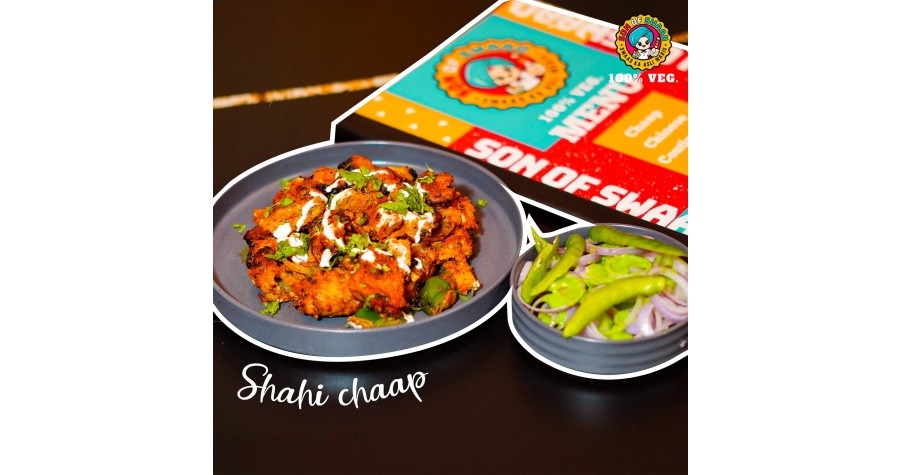
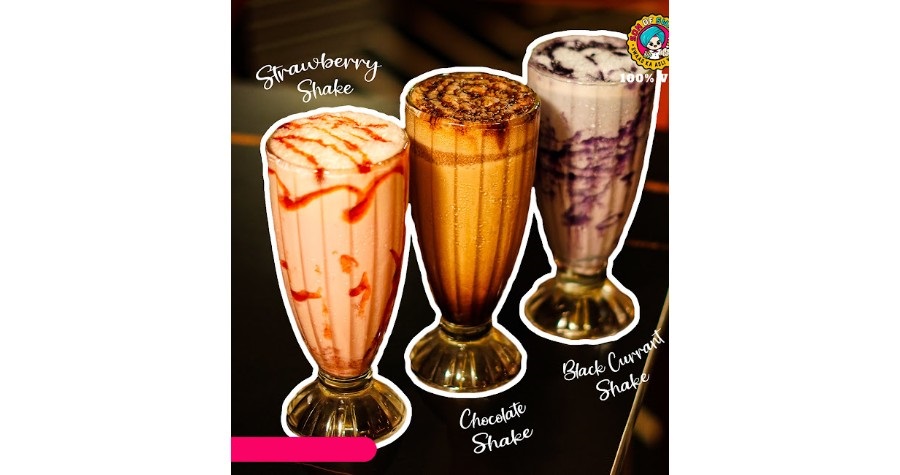
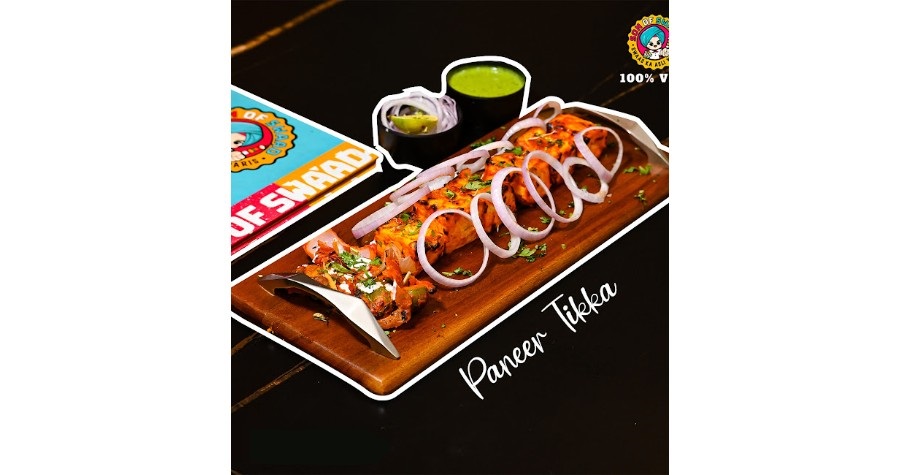
| Specialty Items | Popular dishes emphasizing Indian flavors, consistent across locations |
4. Franchise Structure and Operating Model
Franchisees operate either the dine-in or takeaway model, managing daily outlet operations. Responsibilities include preparing food according to brand standards, supervising staff, maintaining hygiene, managing inventory, and ensuring customer satisfaction. Franchisor provides operational manuals, staff training, ingredient sourcing guidance, and ongoing brand support to maintain consistent quality and customer experience.
5. Franchise Cost and Investment
| Estimated Investment | INR 20–30 Lakh for outlet setup, equipment, and initial operations |
|---|---|
| Franchise Fee | INR 4,00,000 for brand rights and operational support |
| Setup Costs | Kitchen equipment, seating arrangements (for dine-in), initial stock, and signage |
| Royalty Fee | 3% of monthly revenue for marketing, brand maintenance, and franchisee support |
6. Space and Setup Requirements
| Space Requirement | 900–1000 Sq.ft to accommodate kitchen, counter, and dining area |
|---|---|
| Location Preferences | High footfall urban areas, commercial streets, or near offices |
| Equipment Needs | Standard kitchen appliances, preparation counters, seating (dine-in model) |
| Staffing Considerations | 5–10 personnel including chefs, servers, and managerial support |
7. Franchise Support and Training
- Initial and ongoing operational training for food preparation, hygiene, and outlet management
- Guidance on sourcing ingredients and standardizing menu items
- Marketing and promotional support including signage, digital promotion, and launch campaigns
- Assistance with outlet layout, workflow, and customer experience optimization
- Continuous operational guidance to maintain quality and consistency
8. Revenue Model and ROI Factors
Revenue is primarily generated through direct sales of meals, both dine-in and takeaway. Demand drivers include urban footfall, menu popularity, and brand reputation. Operational efficiency, ingredient cost management, and service quality affect profitability. Expected payback is approximately 2 years, supported by high repeat customer potential and moderate investment requirements.
9. Brand Background and Expansion
Founded in 2015 as a food truck, Son Of Swaad quickly expanded to multiple outlets. Franchising began the same year, with growth focused on urban centers offering both dine-in and takeaway options. The brand leverages strong operational processes and consistent product quality to expand in the fast-casual dining sector.
10. What Makes This Franchise Different
Son Of Swaad leverages a dual model approach — combining mobile food truck origins with permanent dine-in and takeaway outlets. This operational flexibility allows franchisees to adapt to urban location constraints while maintaining brand standards. Specialization in Indian fast-casual cuisine with standardized processes ensures operational efficiency and strong repeat customer retention.
Advantages of the Franchise
- Growing market demand for Indian fast-casual dining
- Scalable business model with dine-in and takeaway options
- Standardized recipes ensuring repeatable quality and taste
- Ongoing operational and marketing support from the franchisor
- Moderate investment with clear payback timelines
11. Who Should Consider This Franchise
- First-time food business entrepreneurs
- Small to medium investors entering the quick service restaurant market
- Experienced restaurant operators looking to expand into fast-casual Indian cuisine
- Franchisees seeking low-complexity operations with standardized procedures
13. Similar Franchise Opportunities
- Biryani By Kilo – Indian fast-casual dining with focus on delivery and takeaway
- Faasos – Quick service Indian meals with multi-city expansion
- Behrouz Biryani – Premium Indian fast-casual food franchise
- Wow! Momo – Urban QSR specializing in street-style Indian snacks
- Haldiram’s – Regional QSR with dine-in and takeaway offerings
These brands operate in the fast-casual and quick service restaurant sector, providing comparable franchise options for investors in urban markets.
Accepting franchise applications in 30 states & UTs
What is the investment required for Son Of Swaad franchise?
The total investment ranges from INR 20 Lakh to 30 Lakh, including setup, equipment, and initial operating costs.
How does the franchise operate?
Franchisees manage outlets under brand standards, preparing food, supervising staff, maintaining hygiene, and ensuring customer satisfaction.
What space is required to start the franchise?
Outlets require 900–1000 Sq.ft, sufficient for kitchen operations and customer seating for dine-in or service counter for takeaway.
How long does it take to recover the investment?
Payback period is typically 2 years, depending on location, footfall, and operational efficiency.
How can investors apply for the franchise?
Interested investors can contact the brand for franchise application, operational training, and site setup guidance. ## 13. Similar Franchise Opportunities
Disclaimer: All scores, rankings, and estimates on ForeFind are independently produced editorial assessments using publicly available data and validated brand-submitted information. They are not verified facts, financial advice, or investment recommendations. Full Disclaimer.
