



About the brand
The Biryani Mahal Franchise
Franchise Quick Facts
| Metric | Details |
|---|---|
| Brand Name | The Biryani Mahal |
| Industry / Business Category | Quick Service Restaurants |
| Founded Year | 2025 |
| Franchise Started Year | 2025 |
| Total Franchise Outlets | 1–10 planned |
| Estimated Investment | INR 5 Lakh – 10 Lakh |
| Franchise Fee | INR 2,50,000 |
| Royalty Fee | Not specified; typically 5–8% of revenue in QSR franchises |
| Space Requirement | 200–400 sq.ft |
| Staff Requirement | Small team depending on outlet size (3–6 employees) |
| Expected Payback Period | Less than 3 months |
1. What is The Biryani Mahal?
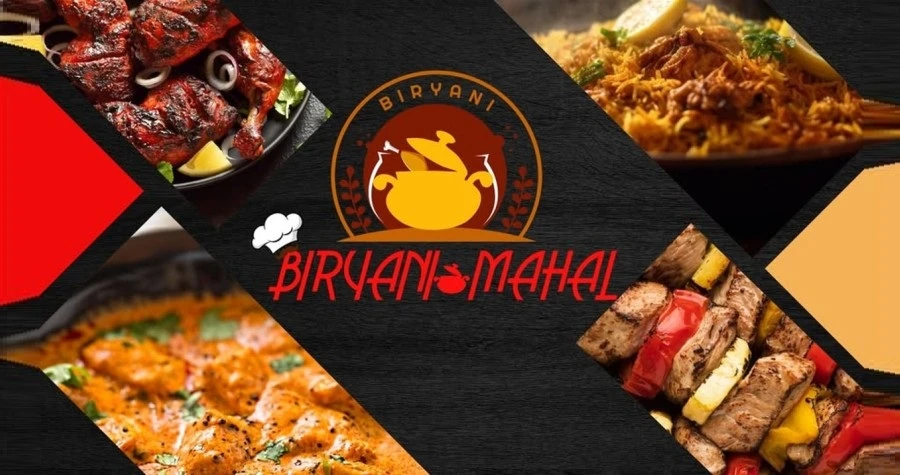
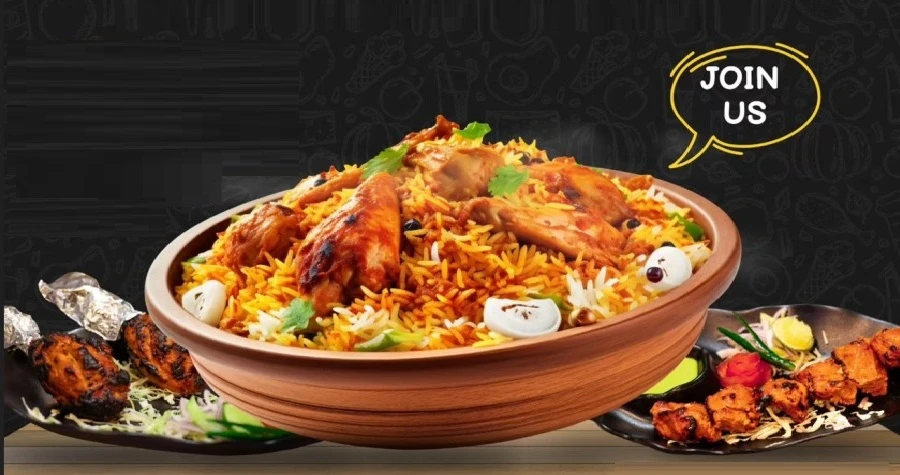
The Biryani Mahal is a quick-service restaurant brand specializing in authentic Indian biryanis, kebabs, curries, and traditional dishes. Operating in the QSR segment, it caters to families, office-goers, and food enthusiasts seeking flavorful, freshly prepared meals. The brand emphasizes traditional cooking methods with consistent quality across outlets.
2. How the Business Works
The Biryani Mahal functions as a fast-casual dining and takeaway concept. Customers can dine in, order takeaway, or use online delivery platforms. Meals are prepared using standardized recipes, portioned for consistency, and packaged for delivery where required. Revenue is generated through in-store sales, takeaway, and delivery orders, with repeat patronage supported by quality and menu variety.
3. Products or Services Offered
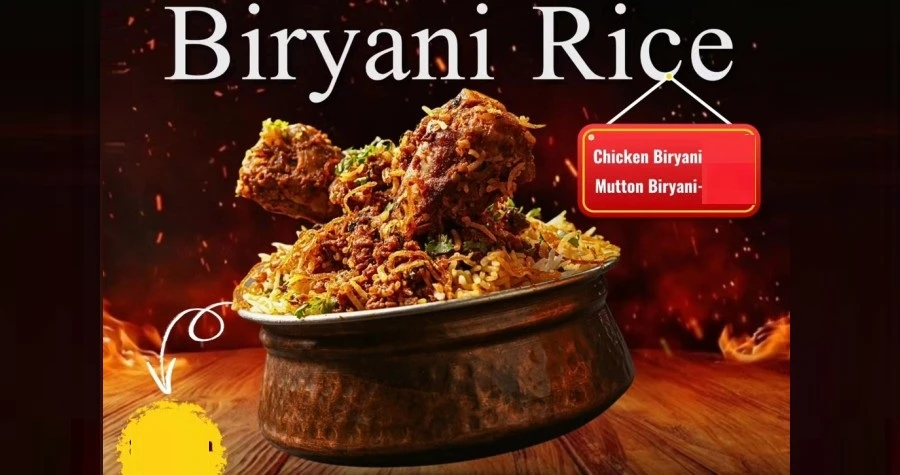
| Signature Biryanis | Hyderabadi Dum, Lucknowi, Kolkata, Malabar, Paneer & Veg Biryani |
|---|---|
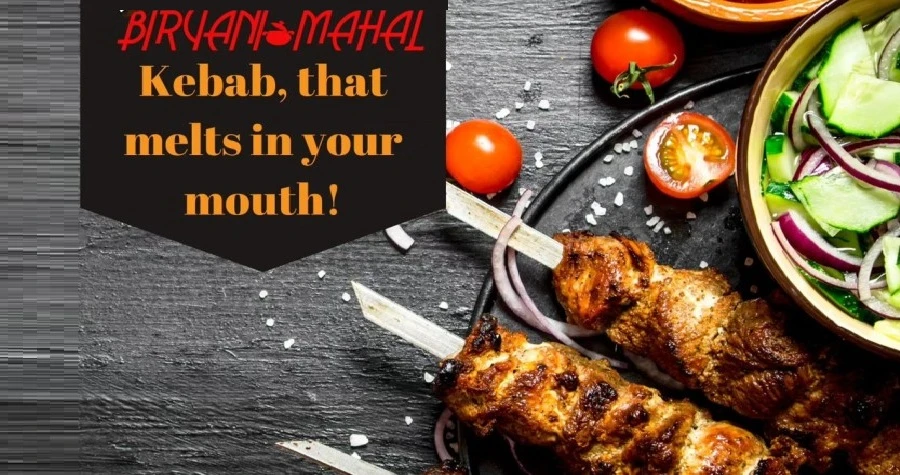
| Kebabs & Tandoori Items | Chicken Tikka, Tandoori Chicken, Mutton Seekh Kebab, Shami Kebab, Paneer Tikka |
| Indian Curries | North Indian, Mughlai, South Indian spiced curries, vegetarian and vegan options |
| Beverages & Desserts | Lassi, falooda, masala chai, fresh juices, gulab jamun, rasmalai, sheer korma |
4. How the Franchise Model Works
Franchise partners operate outlets under the brand’s operational and quality framework:
- Manage daily kitchen and service operations
- Maintain hygiene and recipe standards
- Oversee staff and customer service
- Coordinate with franchisor for inventory, marketing, and vendor support
Franchisees implement the brand’s system, while the franchisor provides training, menu guidance, and operational support.
5. Franchise Cost and Investment Overview
| Estimated Investment | INR 5–10 Lakh covering kitchen setup, equipment, initial stock, and branding |
|---|---|
| Franchise Fee | INR 2,50,000 |
| Setup Costs | Kitchen appliances, counters, POS systems, packaging, signage |
| Royalty | Typically a percentage of sales; not specifically provided |
6. Space and Infrastructure Requirements
| Space | 200–400 sq.ft for compact urban outlets |
|---|---|
| Preferred Locations | High footfall areas such as near offices, educational institutions, and residential neighborhoods |
| Equipment Needs | Cooking stations, refrigeration, storage, POS systems, serving counters |
| Staffing | Small team of 3–6 employees for operational efficiency |
7. Training and Franchise Support
Franchisees receive:
- Operational and culinary training
- Assistance with outlet setup and equipment selection
- Marketing and promotional guidance
- Supply chain support for ingredient consistency
- Ongoing operational guidance and audits
8. Revenue Model and ROI Factors
Revenue is generated primarily from biryani, kebabs, curries, and beverages. Key factors include:
- Strong urban demand for fast, high-quality Indian meals
- Repeat business through consistent taste and affordable pricing
- Delivery and takeaway efficiency with proper packaging
- Streamlined operations reducing labor and overhead costs
Expected payback period is under 3 months, depending on outlet performance and location.
9. Brand Background and Expansion
| Established | 2025 |
|---|---|
| Franchising Started | 2025 |
| Planned Outlets | 1–10 initial franchises |
| Markets | Urban centers across India |
| Expansion Plans | Gradual network growth with additional urban locations and potential delivery-focused outlets |
10. Key Advantages of the Franchise
- Compact and cost-efficient outlet model
- High-demand product category with authentic Indian cuisine
- Scalable operational framework suitable for first-time franchisees
- Strong menu variety catering to families and individuals
- Operational support including training, supply chain, and marketing
11. Who Should Consider This Franchise
- Entrepreneurs seeking entry into the QSR segment
- Small-scale investors looking for quick payback and manageable investment
- First-time business owners with interest in Indian cuisine
- Operators aiming for scalable urban food concepts
13. Similar Franchise Opportunities
- The Biryani Boxx – Fast-food chain specializing in Indian biryani and combos
- The Big Bite Shawarmas – Wrap and street-food QSR with scalable model
- The Biryani Kulture – Hyderabadi biryani-focused fast casual outlets
- The Big F Cafe – Regional QSR offering popular street food items with delivery focus
These brands operate in the Indian QSR space with high potential for urban expansion and franchise replication.
Investment and financials
Investor fit profile
Franchise support
Brand strength
Licences and compliance
Gallery
Frequently asked questions
Initial investment ranges from INR 5–10 Lakh covering outlet setup, kitchen equipment, and initial inventory.
Franchisees manage daily operations including cooking, serving, staff management, and delivery while following franchisor standards.
Outlets require 200–400 sq.ft, suitable for compact urban locations with moderate foot traffic.
Expected payback is less than 3 months, depending on outlet performance, location, and customer demand.
Prospective partners contact the franchisor for site approval, training enrollment, and execution of the franchise agreement to begin operations. ## 13. Similar Franchise Opportunities
Disclaimer: All scores, rankings, and estimates on ForeFind are independently produced editorial assessments using publicly available data and validated brand-submitted information. They are not verified facts, financial advice, or investment recommendations. Full Disclaimer.
