



About the brand
Kk Thali Franchise
Franchise Snapshot
| Brand Name | Kk Thali |
|---|---|
| Industry / Business Category | Quick Service Restaurants |
| Founded Year | 2001 |
| Franchise Started Year | 2022 |
| Total Franchise Outlets | 1–10 |
| Estimated Investment | INR 20 Lakh – 30 Lakh |
| Franchise Fee | INR 5,00,000 |
| Royalty Fee | 5% |
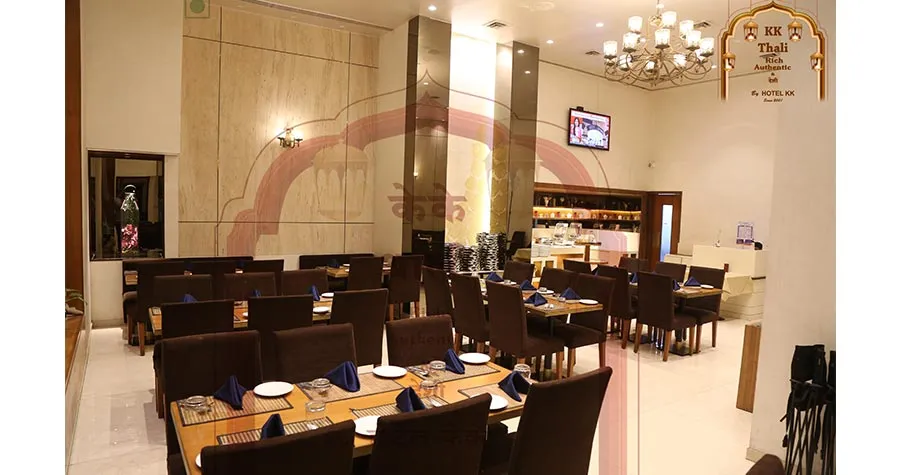
| Space Requirement | 1,000 – 3,500 sq.ft |
| Staff Requirement | Typically 10–25 staff for operations and service |
| Expected Payback Period | 1–2 years |
1. What is Kk Thali?
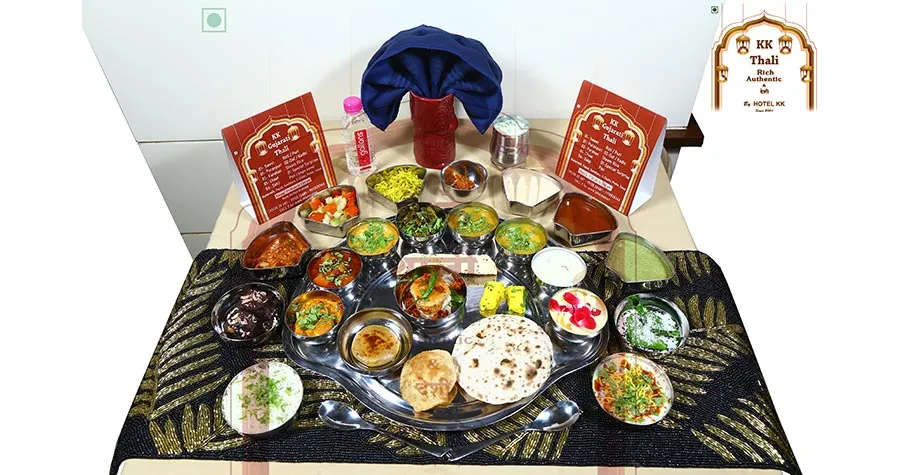
Kk Thali is a quick-service restaurant brand focused on premium vegetarian dining. It operates in the foodservice industry, offering curated thali meals representing regional Indian vegetarian cuisine. The target customer segment includes urban diners, families, and travelers seeking authentic, culturally rich vegetarian meals. The franchise fits within the broader vegetarian and quick-service restaurant category.
2. How the Business Works
Franchise outlets serve prepared vegetarian thali meals for dine-in, takeaway, and delivery. Customers select from regional thali options or menu items at standalone restaurants, food court outlets, or through online delivery channels. Revenue is generated through direct sales, catering services, and additional snack and bakery offerings. The operational workflow emphasizes kitchen efficiency, food preparation consistency, and quality service standards.
3. Products or Services Offered
- Vegetarian Thalis – Regional and curated thali meals, combining appetizers, mains, sides, and desserts
- Snacks & Quick Bites – Items inspired by traditional Indian flavors
- Bakery Items – Complementary offerings from associated ventures like Kookies & Kream Bakery
- Delivery & Takeaway – Packaged meals for home or office consumption
4. Franchise Structure and Operating Model
Franchise partners manage local operations, including kitchen management, staff, customer service, and inventory. The franchisor provides training, branding, operational standards, and menu guidelines. Franchisees are expected to maintain quality, ensure consistency, and adhere to service protocols. Flexible models include standalone restaurants, food court outlets, and delivery/takeaway operations.
5. Franchise Cost and Investment
| Estimated Investment | INR 20 Lakh – 30 Lakh for setup, kitchen equipment, interiors, and initial inventory |
|---|---|
| Franchise Fee | INR 5,00,000 |
| Setup Components | Kitchen infrastructure, seating, point-of-sale systems, signage, initial inventory |
| Royalty / Ongoing Fees | 5% of revenue |
| Other Costs | Staffing, utilities, and marketing support expenses |
6. Space and Setup Requirements
| Space Requirement | 1,000 – 3,500 sq.ft depending on operational model |
|---|---|
| Location Preferences | Urban centers, metro cities, high footfall areas, and food courts |
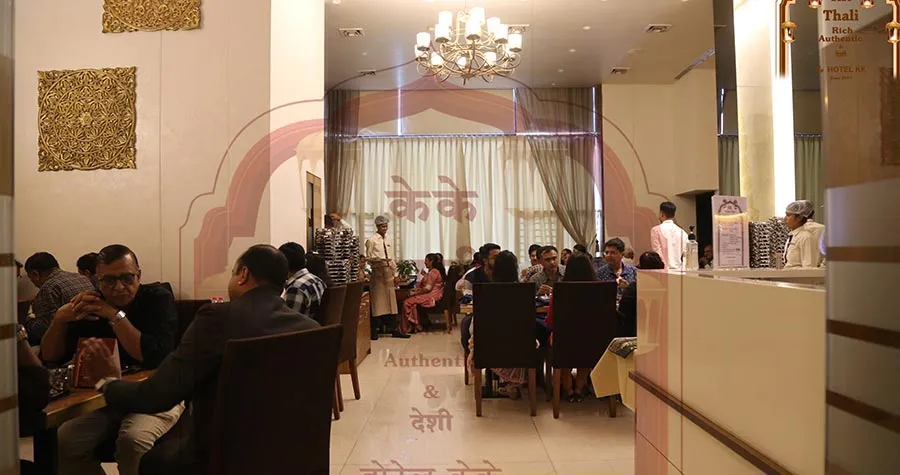
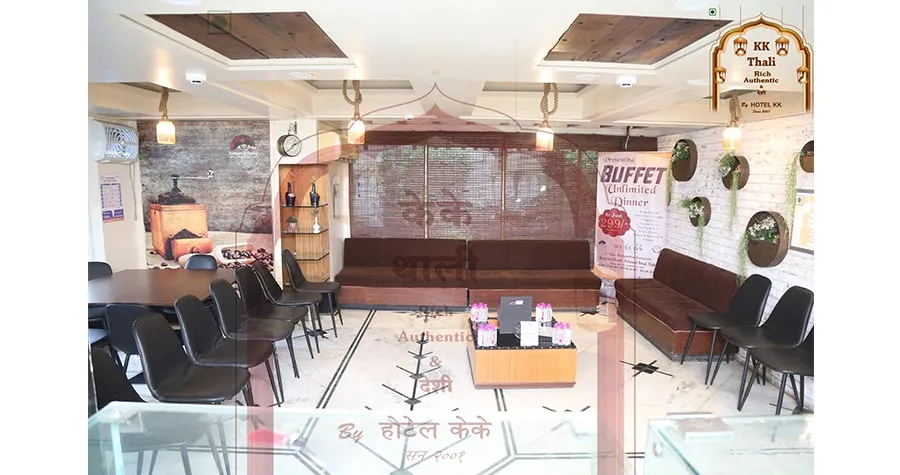
| Equipment/Setup Needs | Fully equipped kitchen, dining area, storage, and service counters |
| Staffing | 10–25 personnel depending on outlet size and service model |
7. Training and Franchise Support
- Training in kitchen operations, food preparation, and menu standardization
- Staff training in service and hospitality
- Guidance on store setup, layout, and operational efficiency
- Marketing and branding assistance to ensure consistency with the Kk Thali brand
8. Revenue Model and ROI Factors
Revenue streams include dine-in, takeaway, delivery orders, and ancillary snack/bakery sales. Profitability is influenced by menu pricing, customer volume, and operational efficiency. Strong demand for vegetarian dining, combined with premium offerings and brand recognition, supports revenue growth. Expected payback period ranges from 1–2 years depending on location and operational execution.
9. Brand Background and Expansion
| Founded | 2001 |
|---|---|
| Franchise Launch | 2022 |
| Outlets | 1–10 franchise opportunities initially |
| Markets Served | Urban and metro cities, with expansion plans targeting tourist destinations |
| Expansion Strategy | Standalone restaurants, food court outlets, and delivery/takeaway models to maximize reach and adaptability |
10. What Makes This Franchise Different
Kk Thali differentiates itself through a focused vegetarian menu emphasizing regional culinary heritage. Unlike generic quick-service restaurants, the franchise integrates cultural authenticity with premium service and a flexible operational model, allowing franchisees to adapt to food courts, standalone locations, or delivery services while maintaining consistent quality.
11. Key Advantages of the Franchise
- Niche focus on premium vegetarian dining
- Flexible operational models for different market conditions
- Recognized brand with prior successful ventures (Krunchy Republic, Kookies & Kream Bakery)
- Scalable setup with moderate space and staffing needs
- Established menu and operational support from the franchisor
12. Who Should Consider This Franchise
- Entrepreneurs interested in quick-service vegetarian restaurants
- Investors seeking opportunities with cultural and niche differentiation
- Operators with experience in foodservice or hospitality
- Business owners aiming to establish outlets in metro and tourist-heavy regions
Similar Franchise Opportunities
- Sattvik Thali – Premium vegetarian buffet chains
- Bikanervala – Indian sweets and thali restaurant chain
- Haldiram’s Quick Service – Regional vegetarian meals and snacks
- Rajdhani Thali – Traditional thali-based dining experiences
- Annapurna Thali – Focused on authentic regional vegetarian cuisine
Kk Thali offers a culturally rich vegetarian dining franchise, combining traditional Indian cuisine with premium quick-service models. Its flexible operational options, structured training, and established brand support make it suitable for entrepreneurs aiming to enter the vegetarian QSR sector in urban and tourist locations.
Investment and financials
Investor fit profile
Franchise support
Brand strength
Licences and compliance
Gallery
Frequently asked questions
The total investment ranges from INR 20 Lakh to 30 Lakh, covering kitchen setup, interiors, initial inventory, and franchise fee.
Franchisees manage daily operations including food preparation, service, and inventory. They operate under brand guidelines and receive support in training, marketing, and supply chain management.
Outlets require 1,000 – 3,500 sq.ft depending on whether the model is standalone, food court, or delivery-oriented.
Estimated payback period is 1–2 years, depending on location, customer volume, and operational efficiency.
Prospective partners contact the franchisor for consultation, site evaluation, and onboarding process, followed by training and operational setup. ## Similar Franchise Opportunities
Disclaimer: All scores, rankings, and estimates on ForeFind are independently produced editorial assessments using publicly available data and validated brand-submitted information. They are not verified facts, financial advice, or investment recommendations. Full Disclaimer.
