



About the brand
Haldiram Bhujiawala (Prabhuji) Franchise
Franchise Quick Facts
| Brand Name | Haldiram Bhujiawala (Prabhuji) |
|---|---|
| Industry | Quick Service Restaurants (QSR) / Sweets & Snacks Retail |
| Founded Year | 1950 |
| Franchise Started | 2020 |
| Total Franchise Outlets | 500–1000 |
| Estimated Investment | INR 1 Crore – 2 Crore |
| Franchise Fee | INR 15,00,000 |
| Royalty Fee | ~6% |
| Space Requirement | 400 – 2000 sq. ft. |
| Staff Requirement | Medium-sized team for kitchen, service, and retail operations |
| Expected Payback Period | 2–4 years |
1. What is Haldiram Bhujiawala (Prabhuji)?
Haldiram Bhujiawala (Prabhuji) is a quick service restaurant and packaged food brand operating in the Indian snacks and sweets segment. The business offers ready-to-eat namkeen, traditional Indian sweets, and related food products through restaurant-cum-retail outlets, serving both dine-in customers and packaged product buyers.
It operates within the organized QSR franchise category with an integrated retail and food service model.
2. How the Business Works
The business combines food service with retail distribution of packaged products.
Operational flow typically includes:
- Customers visiting outlets for dining, takeaway, or packaged purchases
- Preparation and serving of snacks, sweets, and quick meals
- Display and sale of packaged products such as namkeen and confectionery
- Handling bulk orders for festive or regular consumption
- Managing inventory, kitchen operations, and customer service
Revenue is generated through:
- In-store food sales
- Retail sale of packaged snacks and sweets
- Bulk and repeat purchases, especially during festive seasons
This dual-format model allows outlets to serve both immediate consumption and take-home demand.
3. Products or Services Offered
Franchise outlets provide a wide range of food products:
- Namkeen and Savoury Snacks
Items such as bhujia, mixtures, and traditional snack blends
- Indian Sweets
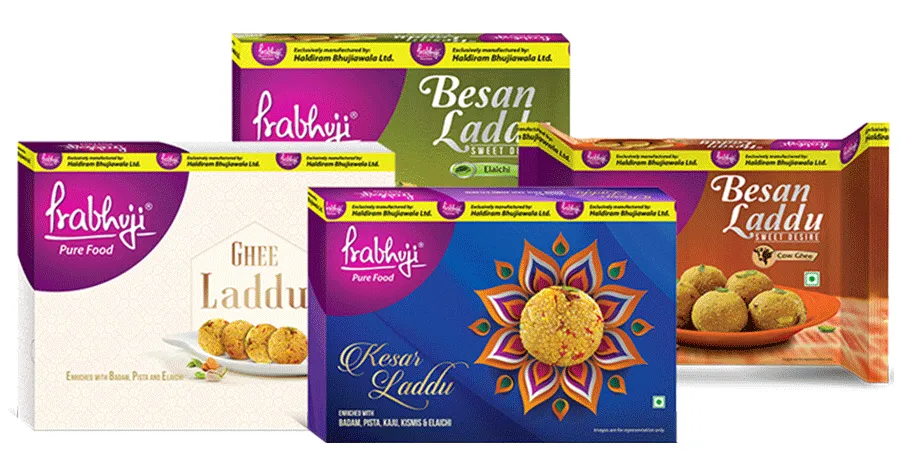
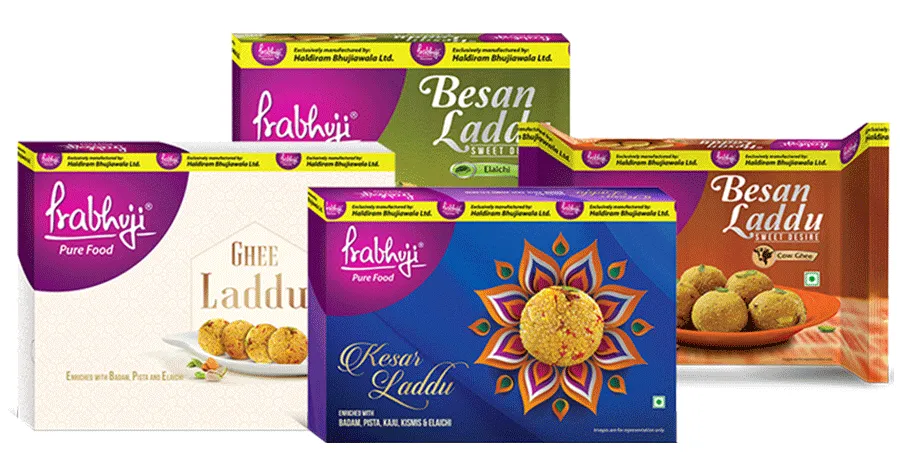
Products including barfi, rasgulla, and other confectionery
- Quick Service Food Items
Ready-to-eat meals and snacks served at the outlet
- Packaged Food Products
Retail packs for home consumption
- Beverages and Add-ons
Syrups, drinks, and complementary food items
The combination of fresh food and packaged goods supports multiple revenue streams.
4. How the Franchise Model Works
The franchise operates on a FOCO (Franchise Owned, Company Operated) model.
Key aspects of this structure:
- The franchise partner invests in setting up the outlet
- The company manages day-to-day operations, including staffing and service delivery
- The brand ensures standardization in product quality and customer experience
Franchise partner responsibilities:
- Providing capital investment and infrastructure
- Maintaining ownership of the outlet
Franchisor responsibilities:
- Managing operations and workforce
- Handling product preparation, supply chain, and service standards
- Driving revenue through brand systems
In return, the franchisee receives either a fixed minimum guarantee or a share of revenue.
5. Franchise Cost and Investment Overview
The investment required falls within the premium QSR category.
| Total Investment | INR 1 Cr – 2 Cr |
|---|---|
| Franchise Fee | INR 15 lakh |
| Royalty | Approximately 6% of revenue |
Major cost components include:
- Outlet setup and interior development
- Kitchen equipment and infrastructure
- Initial inventory and working capital
- Licensing and compliance costs
The FOCO structure reduces operational complexity for investors but requires higher upfront capital.
6. Space and Infrastructure Requirements
The business requires a mid-to-large format retail and dining space.
Typical requirements include:
| Area | 400 to 2000 sq. ft. |
|---|---|
| Location | High footfall areas such as commercial zones, malls, or main streets |
| Infrastructure | Kitchen setup, display counters, seating arrangements |
| Equipment | Food preparation systems, storage units, and billing systems |
| Staffing | Kitchen staff, service personnel, and retail handlers |
The outlet must support both dine-in and retail operations.
7. Training and Franchise Support
Operational control is largely managed by the company in this model.
Support includes:
- Complete operational management of the outlet
- Standardized processes for food preparation and service
- Supply chain management for ingredients and products
- Staff recruitment and training
- Marketing and brand-level promotions
This structure allows investors to participate without managing daily operations.
8. Revenue Model and ROI Factors
Revenue is driven by multiple channels within the same outlet.
Key contributors include:
- High-frequency purchases of snacks and sweets
- Festive and seasonal demand spikes
- Retail sales of packaged products
- Walk-in and takeaway customers
Factors influencing ROI:
- Location and footfall
- Product mix and pricing
- Operational efficiency managed by the brand
- Brand recognition and repeat customer base
The expected payback period typically ranges between a few years depending on outlet performance.
9. Brand History and Expansion
The brand traces its origins to traditional snack-making practices in Rajasthan and has evolved into a large-scale food business over several decades.
With franchising introduced more recently, expansion has accelerated through:
- Establishing restaurant-cum-retail outlets
- Entering multiple cities and international markets
- Building a large franchise network
The scale of operations reflects strong demand in the packaged food and QSR segments.
10. Key Advantages of the Franchise
- Established presence in the Indian snacks and sweets market
- Dual revenue model combining food service and retail sales
- FOCO structure reduces operational burden for investors
- Strong demand driven by daily consumption and festive buying
- Standardized operations managed by the company
- Large and expanding franchise network
11. Who Should Consider This Franchise
This opportunity may be suitable for:
- Investors seeking a managed business model with limited operational involvement
- Individuals interested in the food and QSR sector
- Entrepreneurs with access to high-footfall retail locations
- Investors looking for established brand-driven businesses
- Those willing to invest in mid-to-large scale retail formats
Similar Franchise Opportunities
Entrepreneurs evaluating this opportunity may also consider comparable brands in the QSR and sweets segment:
- Bikanervala
- Haldiram’s
- Giani’s
- Monginis
- Kanti Sweets
These brands operate in similar categories, offering alternative franchise models in sweets, snacks, and quick service restaurant formats.
Investment and financials
Investor fit profile
Franchise support
Brand strength
Forefind rank history
Licences and compliance
Gallery
Frequently asked questions
The investment typically ranges between INR 1 crore and INR 2 crore. This includes outlet setup, equipment, and initial operational costs, along with a franchise fee.
The franchise operates on a FOCO model where the investor funds the setup while the company manages operations. Revenue is shared through a fixed return or percentage-based arrangement.
A space between 400 and 2000 square feet is required. Locations with high footfall such as malls or commercial areas are generally preferred for better customer access.
The expected payback period is typically between 2 to 4 years. Actual recovery depends on factors such as location performance, sales volume, and overall demand.
Investors can apply by contacting the brand through its official channels. The process usually involves evaluation of location, investment capability, and agreement formalization. ## Similar Franchise Opportunities
Disclaimer: All scores, rankings, and estimates on ForeFind are independently produced editorial assessments using publicly available data and validated brand-submitted information. They are not verified facts, financial advice, or investment recommendations. Full Disclaimer.
