



About Levels
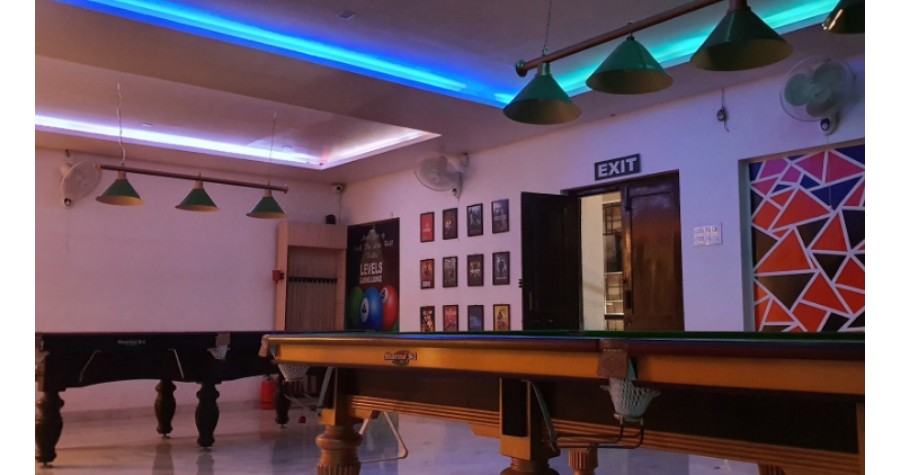
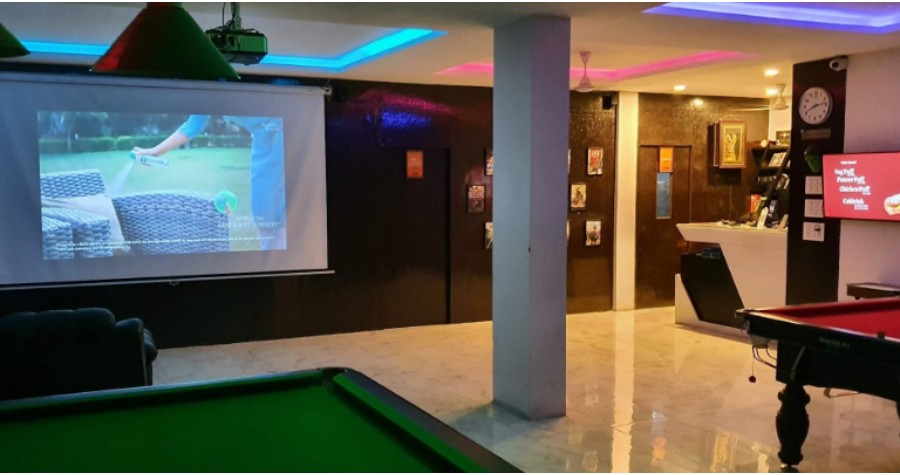
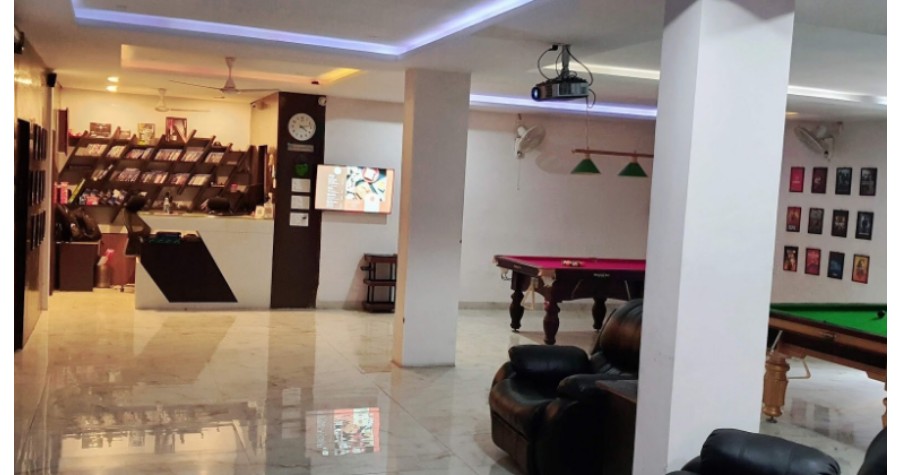
Levels franchise operates as a multi-format entertainment lounge, combining private gaming cabins, console and PC gaming stations, a mini movie theatre, a pool and snooker section, and a café-bar setup under one roof. It targets a broad family and youth audience rather than a single niche — groups of friends booking a gaming session, families looking for a mixed-activity outing, and young adults using the space for casual socialising all fall within its customer base. With a network currently around ten locations, the brand sits in a category benefiting from a wider shift in Indian leisure spending: as urban and Tier 2 consumers allocate a growing share of discretionary income to experience-based outings rather than one-dimensional entertainment, multi-format venues that combine several activities into a single visit are capturing a disproportionate share of that growth.
Revenue Model and Seasonal Distribution
Footfall in a gaming-and-entertainment lounge tends to follow a familiar rhythm: weekends consistently outperform weekdays, and school and college holiday periods — particularly summer and the festive stretch around Diwali — bring a noticeable lift in walk-in traffic and group bookings. Evening hours typically carry more weight than daytime slots, since much of the customer base arrives after work or college hours. The quieter periods generally fall during exam seasons and the immediate post-festive lull, when discretionary outings slow down across the board. To manage these dips, operators in this category commonly lean on weekday offers, gaming tournaments or themed events that create a reason to visit outside peak periods, and group package pricing that keeps tables and cabins filled even when individual walk-in traffic softens.
Fixed Cost Burden and Operating Leverage
A venue of this scale carries a meaningful fixed cost load regardless of how many customers walk through the door on a given day — rent for a large-format space, electricity for gaming hardware and air conditioning across multiple zones, staff salaries for floor attendants and technicians, and equipment maintenance for consoles, VR units, and AV systems in the theatre section. This is a high operating leverage business: once fixed costs are covered for the month, incremental footfall converts to profit at a strong margin, but a stretch of underperforming weeks can erode margin quickly since none of those costs scale down with lower traffic. Franchisees who monitor cabin and table utilisation rates weekly, rather than only reviewing revenue at month-end, are generally better positioned to catch a slowdown early and respond with promotions before it compounds into a cash flow problem.
Investment Breakdown and What It Covers
An investment in the thirty-to-fifty-lakh range for this format typically covers buildout of multiple distinct zones within one large-format space — soundproofed private gaming cabins, a small theatre with recliner seating, a pool and snooker area, and café-bar infrastructure — along with the gaming hardware itself, which represents a significant share of total cost given the inclusion of consoles, gaming PCs, and VR or AR equipment. Beyond physical buildout, the investment needs to account for brand licensing, staff training across multiple service lines (gaming attendants, F&B staff, theatre operations), and a working capital buffer sized to carry the franchisee through the first few months of building local awareness before footfall stabilises. Given the multi-zone nature of this format, underestimating equipment maintenance reserves is one of the more common early missteps, since gaming hardware and AV systems require more frequent servicing than typical retail fixtures.
Corporate and B2B Revenue as a Stability Anchor
A multi-activity venue like this is well suited to corporate bookings — office team outings, birthday and celebration groups booking private cabins or the theatre section, and college or community group events looking for a single venue that can host gaming, movies, and food together. These bookings tend to be higher-ticket and more predictable than individual walk-in traffic, since they are planned in advance and often repeat for annual events or recurring team outings. Franchisees who actively build relationships with local corporate offices, colleges, and event planners typically see steadier month-to-month revenue than those depending solely on organic walk-in footfall, making B2B outreach a meaningful lever for smoothing out the seasonal swings inherent in this category.
Risk Factors Specific to Travel and Hospitality
Within the leisure and entertainment category, the more relevant risks are tied to discretionary consumer spending and public gathering sensitivity rather than fuel prices or geopolitical disruption, which affect long-distance travel businesses more directly. Indoor, group-based entertainment venues proved particularly vulnerable during pandemic-related restrictions, a risk that remains structurally present for any format dependent on people gathering physically in shared spaces. Online platform disruption is a more limited concern here, since the core experience — private gaming cabins, a physical theatre, pool tables — cannot be replicated or substituted through a screen, giving this format more insulation from e-commerce or app-based competition than categories built around bookable digital services.
Who This Investment Suits
This is better suited to investors with sufficient capital depth to absorb a slow ramp-up period and the patience to build local corporate and community relationships rather than relying purely on walk-in traffic from day one. It also requires genuine comfort with month-to-month revenue variability tied to weekends, holidays, and local events. Investors who cannot sustain operations through two consecutive lean months — covering fixed costs without panicking into discounting or service cuts — are, with notable consistency, the ones who exit this category early, since the format simply does not reward short-term financial pressure with quick fixes.
Accepting franchise applications in 20 states & UTs
How much does it cost to open a Levels franchise?
Investment generally falls between thirty and fifty lakh rupees, reflecting a large-format, multi-zone venue that includes gaming hardware, theatre and lounge buildout, and café-bar infrastructure.
How does Levels revenue vary across seasons in India?
Weekends, evenings, and school or festive holiday periods typically drive the strongest footfall, while exam seasons and the period right after major festivals tend to bring quieter weekday traffic.
What is the minimum monthly revenue needed to cover Levels operating costs?
The minimum viable revenue depends heavily on local rent, staffing levels, and equipment maintenance load, making it more useful for franchisees to calculate their own fixed cost line and track cabin and table utilisation against it rather than rely on a single category-wide number.
Does Levels support franchisees in building corporate client accounts?
The venue's multi-activity format is well positioned for corporate and group bookings, and franchisees who proactively pitch local offices, colleges, and event planners tend to build a more stable recurring revenue base than those relying solely on individual walk-ins.
How many Levels franchise locations are operating in India?
The network currently stands at around ten outlets, reflecting a steady, measured growth pace since the brand entered franchising over a decade ago.
Disclaimer: All scores, rankings, and estimates on ForeFind are independently produced editorial assessments using publicly available data and validated brand-submitted information. They are not verified facts, financial advice, or investment recommendations. Full Disclaimer.
