



Toshani Premium Digital Services Private Limited Franchise: Daily Operations, Client Management and What Running This Business Looks Like
What Toshani Premium Digital Services Private Limited Does and Who It Serves
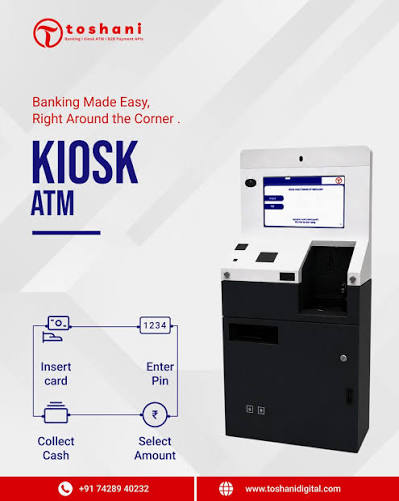
A Toshani Premium Digital Services Private Limited franchise operates as a local point of access for everyday banking and payment functions that millions of Indians, particularly outside major metros, still struggle to reach conveniently — cash withdrawal through private or kiosk-based ATM setups, basic banking correspondent services, and digital payment facilitation through a B2B fintech outlet model. The typical client isn’t a sophisticated investor; it’s someone in a semi-urban or rural locality who needs to withdraw cash, deposit money, or complete a basic banking transaction without traveling to a distant bank branch, alongside small local businesses that need a reliable digital payment touchpoint nearby. A successful engagement here looks like routine, almost invisible reliability: a customer walks in, completes a withdrawal or a payment transaction within minutes, and walks out — and the measure of success is that they come back the next week, and the week after, because the outlet has become their default option for that transaction rather than a one-time stopgap.
What a Toshani Premium Digital Services Private Limited Franchisee Does Every Day
The daily rhythm here leans more toward process management than relationship-building in the conventional sales sense, though both matter. A large share of the day goes into transaction handling — cash management for ATM or BC operations, processing customer requests, and reconciling what’s gone out against what’s come in, since cash float discipline is central to this business in a way it isn’t in most service franchises. The franchisor’s technology typically handles the transaction processing backend, banking integration, and reporting layer, which means the franchisee isn’t manually calculating balances or managing settlement logic; what they manage manually is the physical and operational side — keeping the outlet stocked with sufficient cash float, ensuring uptime, and handling the occasional customer who needs help completing an unfamiliar digital transaction. Business development time is real but secondary to delivery in the early going, since most growth in this category comes from being consistently available and trustworthy in a location rather than from active outbound selling.
Client Onboarding, Delivery, and Retention
Customers don’t typically sign up the way they would for a subscription service; they discover the outlet, try a transaction, and either return or don’t based purely on whether it worked smoothly. The first transaction is the real onboarding moment — a customer’s experience with that first cash withdrawal or payment determines whether they treat the location as reliable going forward. Ongoing delivery is built on consistency: cash availability, working equipment, and a franchisee who is present and competent enough to resolve the occasional failed transaction without the customer losing confidence in the outlet. Retention in this category isn’t built through loyalty programs or check-in calls; it’s built through operational dependability, since a customer who finds the machine out of cash twice in a row will simply switch to the next available option nearby. This is precisely why acquisition economics matter less than retention discipline here — a new customer costs almost nothing to acquire if the location is convenient, but keeping them requires the unglamorous work of never running out of cash float or letting the equipment sit down for long stretches.
The Technology Platform and Operational Infrastructure
The technical backbone covers transaction processing, banking system integration, and reporting on settlements and cash positions, all managed centrally so the franchisee interacts with a relatively simple interface rather than raw banking infrastructure. Customer communication in this model is mostly transactional and in-person rather than CRM-driven, since the business doesn’t typically involve managing an ongoing digital relationship with each customer the way a subscription service would. The learning curve is short — most franchisees become operationally confident within the first couple of weeks, since the core skill is operating equipment correctly and managing cash reconciliation rather than mastering complex software. When technical issues arise — a failed transaction, a connectivity drop, equipment malfunction — the expectation is that the franchisee escalates through a defined support channel rather than attempting independent fixes, since the underlying systems are centrally maintained and not meant for franchisee-level troubleshooting.
Building and Managing a Team
Given the modest space and staff requirements in this format, most franchisees run solo or with a single assistant well into their operation before a second hire becomes worthwhile. The shift toward hiring usually comes when transaction volume or operating hours stretch beyond what one person can comfortably manage — for instance, needing the outlet open longer hours than the owner can personally staff. The first hire in this category is generally an operations assistant capable of handling routine transactions and basic customer interaction under supervision, rather than a specialized role. Toshani Premium Digital Services Private Limited’s support at this stage tends to be oriented toward operational training material rather than direct recruitment help, so franchisees in Tier 2 or Tier 3 towns typically source staff through local references, nearby job boards, or word of mouth within the community the outlet serves.
Franchisor Support: What Is Real and What Is Marketing
After signing, what a franchisee can concretely expect includes access to the transaction processing platform, the equipment or kiosk setup relevant to the chosen service format, initial operational training, and the brand association that lends some baseline credibility when establishing a new outlet in an unfamiliar area. What falls to the franchisee independently is everything tied to daily execution: maintaining adequate cash float, managing the physical location and its hours, building local awareness so residents know the outlet exists, and handling the day-to-day customer interactions that determine whether people return. Marketing language in this category often implies a fully managed turnkey setup; the more accurate picture is that the franchisor provides the operational backbone, while the franchisee provides the local presence, reliability, and cash management discipline that actually determines profitability.
Who Runs a Toshani Premium Digital Services Private Limited Franchise Successfully
Franchisees who do well in this model tend to have some comfort with cash handling and basic financial discipline, along with a presence in a community where they’re already a known, trusted face — a local shopkeeper, a finance professional, or someone with an existing footprint in a semi-urban or rural market. Patience matters here too, since building consistent transaction volume in a new location takes a few months of steady presence before word of mouth does its work. One honest observation worth stating plainly: franchisees who treat this as a passive, low-touch setup and expect it to run itself without active cash management and local presence consistently underperform, because reliability in this business is the entire value proposition, not an afterthought.
Accepting franchise applications in 30 states & UTs


What qualifications or professional background are needed to run a Toshani Premium Digital Services Private Limited franchise?
No formal degree is mandatory, but a background in finance, basic accounting comfort, or prior experience handling cash transactions makes the operational side considerably easier to manage for a Toshani Premium Digital Services Private Limited franchise owner.
Can a Toshani Premium Digital Services Private Limited franchise be run from home or does it require an office?
A home-based setup is workable given the modest space requirement, though many franchisees opt for a small commercial spot with good local footfall since visibility tends to drive transaction volume in this category.
How does Toshani Premium Digital Services Private Limited support franchisees in acquiring their first clients?
Initial customer traction depends largely on the franchisee's local visibility and word of mouth, with the franchisor's role centered on providing the operational setup and brand backing rather than supplying a steady stream of customers directly.
What technology tools does Toshani Premium Digital Services Private Limited provide to franchisees?
Franchisees get access to a centrally managed transaction processing and reporting system that handles banking integration and settlement tracking, designed to be operable without a technical background after a short training period.
How many active franchisees does Toshani Premium Digital Services Private Limited have in India?
The network currently spans between 500 and 1,000 active franchise points across India, reflecting over a decade of steady expansion since the brand entered the franchising model.
Disclaimer: All scores, rankings, and estimates on ForeFind are independently produced editorial assessments using publicly available data and validated brand-submitted information. They are not verified facts, financial advice, or investment recommendations. Full Disclaimer.
