



Color Me Mine Franchise: Daily Operations, Client Management and What Running This Business Looks Like
What Color Me Mine Offers and Who Uses It
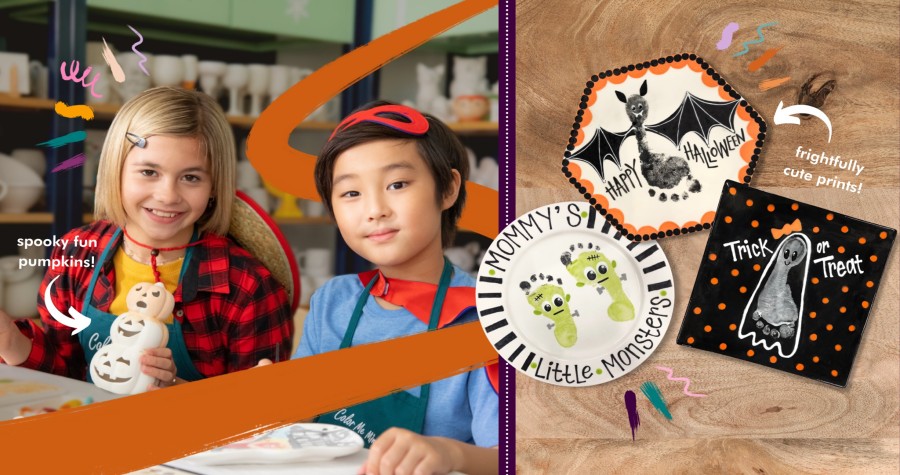
A Color Me Mine franchise operates as a walk-in ceramics painting studio where customers choose from a large selection of unfinished ceramic pieces — mugs, plates, figurines, bowls — and paint them on-site during a studio session lasting one to two hours. The finished piece is then glazed and kiln-fired by the studio team, and the customer returns to collect it a few days later. That two-visit structure is not incidental; it creates a natural reason for the client to return, which distinguishes this from a single-transaction entertainment experience. The typical customer profile spans a wide age range: families with children looking for an activity that produces something tangible, adults seeking a social creative outlet, couples on date sessions, and groups booking for birthdays, office team events, or school outings. Each of those client types arrives with a different expectation of how the studio session should be managed, which makes frontline staff versatility a meaningful operational variable.
Daily Operations: Booking Management, Client Service, and Administration
On any given operating day, the franchisee or studio manager is balancing walk-in traffic against pre-booked group sessions, both of which require floor space, staff attention, and ceramic inventory to be allocated in advance. Group bookings — birthday parties, corporate team events, school visits — are the higher-revenue events and require confirmation calls, capacity planning, and sometimes customised ceramic selections prepared ahead of arrival. Walk-in customers by contrast need immediate table allocation and guidance through the piece selection process without feeling rushed. The administrative layer sits behind both: billing, kiln scheduling to ensure fired pieces are ready within the promised collection window, restocking ceramics that move quickly, and tracking customer contact details for re-engagement. Studios operating without a structured booking management approach frequently find that group session conflicts with walk-in capacity create the most common source of customer dissatisfaction.
Technology Platform, GDS Access, and Booking Infrastructure
Color Me Mine’s franchise system provides franchisees with access to centrally developed operating infrastructure covering booking management, inventory tracking, and customer communication. For an entertainment studio, the technology need is less complex than in travel or logistics franchises, but it matters operationally: the system that manages ceramic inventory levels, tracks which pieces are in the kiln and when they are ready for pickup, and records customer orders needs to work reliably across a studio that may be handling fifteen to thirty customers simultaneously on a busy Saturday. New franchisees typically require two to four weeks to become fluent with the platform — less if they have prior point-of-sale or hospitality system experience. The franchisor’s centralised marketing function also produces campaign materials that feed into the studio’s local promotional activity, reducing the burden on the franchisee to develop original content independently.
Supplier Relationships and Negotiated Rates
Ceramic inventory is the core consumable in this model, and Color Me Mine’s network scale produces purchasing terms that independent studio operators cannot easily match. Franchisees access a curated catalogue of ceramic pieces — reportedly over 400 options — sourced through the franchisor’s supplier agreements, which reduces procurement complexity and ensures product consistency across studios. The franchisee does not negotiate ceramic pricing independently; that is managed centrally. Where local sourcing decisions do fall to the franchisee is in ancillary supplies — paint, brushes, aprons, packaging for finished pieces — and in relationships with local vendors for studio consumables. The distinction matters financially: the cost-of-goods advantage on ceramics is a structural benefit of the franchise model versus going independent, and franchisees should track that margin line closely as studio revenue scales.
Building Corporate and Institutional Client Relationships
Walk-in and family traffic provides the daily floor revenue, but the franchisees who report the most consistent monthly earnings tend to have cultivated a pipeline of institutional bookings — corporate team-building sessions, school art programmes, NGO events, and residential society activities. The sales process for a corporate account differs from consumer marketing: it involves an outreach call or email to an HR manager or event coordinator, a studio visit or virtual walkthrough, a custom quote for group size and ceramic selection, and a confirmed booking deposit. Conversion timelines run longer than consumer bookings, but the average revenue per event is substantially higher and the rescheduling rate is lower. A franchisee in a city with a dense corporate or educational presence who actively pitches institutional clients three to five times per month can build a meaningful base of repeat accounts within the first year of operation.
Staff Requirements and Service Quality Management
Studio staffing at Color Me Mine scales with session volume. A quieter weekday might be managed by two people — one handling customer intake and billing, one assisting on the studio floor. A weekend with multiple group bookings active simultaneously may require six to eight staff, including dedicated facilitators for each group. The roles are not technically complex, but they require patience, genuine engagement with customers of varying ages and confidence levels, and the ability to manage a busy floor without the experience feeling chaotic. Color Me Mine provides staff training protocols covering the studio experience standards, ceramic handling, kiln operation, and customer service responses. In the Indian market, hiring for this profile — sociable, hands-on, comfortable with creative facilitation — is most straightforward in cities with hospitality or arts education institutions as a recruitment source. A single poorly managed group booking that results in a delayed kiln return or a damaged piece can generate negative reviews that affect walk-in traffic, which is why quality management at the staff level has a direct revenue consequence.
Who Runs a Color Me Mine Franchise Successfully
The Color Me Mine franchise attracts two investor types: serial entrepreneurs looking for a capital-light experience business with a differentiated concept, and business families deploying surplus capital into a market where repeat footfall is driven by the experience rather than by price competition. What both successful profiles share is an appetite to be genuinely present in the studio environment, at least during the establishment phase, rather than treating it as a passive investment. The owner-operated model is not incidental — customer experience in a creative studio is noticeably different when the person running it is engaged with the space versus delegating entirely from day one. Franchisees who focus exclusively on consumer walk-in traffic without building any institutional client base consistently find revenue harder to smooth across weekdays and off-peak seasons, when family and individual footfall drops but a confirmed corporate booking would have filled the gap.
Accepting franchise applications in 13 states & UTs



What qualifications or industry experience are needed to run a Color Me Mine franchise?
No formal arts or ceramics qualification is required. The franchise is structured for owner-operators with a background in retail, hospitality, or consumer experience businesses. What matters more than technical credentials is comfort managing a customer-facing studio environment, interest in the creative leisure category, and the organisational capacity to handle simultaneous walk-in and group booking operations.
What technology and booking systems does Color Me Mine provide?
Color Me Mine provides franchisees with access to the brand's centralised operating systems covering booking management, ceramic inventory tracking, and customer order records including kiln scheduling and pickup status. The learning curve for new franchisees is moderate, and the franchisor's onboarding process includes platform training before studio launch.
How does Color Me Mine support franchisees in building corporate client accounts?
The franchisor provides marketing materials, brand credentials, and campaign support that franchisees can deploy in local corporate outreach. Direct client acquisition for institutional accounts — companies, schools, residential communities — remains the franchisee's responsibility. The brand's recognition and the group event format serve as natural entry points for pitching HR and event management contacts in the franchisee's local market.
Can a Color Me Mine franchise be operated from home or a small office?
No. The Color Me Mine franchise requires a physical studio space of 800 to 1,500 sq. ft. in a mall or commercial location. The experience is entirely studio-based — customers paint on-site, ceramic pieces are fired on-premises, and the physical environment is central to what clients are paying for. Home-based or remote operation is not a viable model for this category.
How does Color Me Mine manage quality and service consistency across its franchise network?
Color Me Mine maintains service standards through centrally developed training protocols, product sourcing consistency via its supplier network, and operational guidelines covering studio layout, customer handling, and kiln management. Individual studio quality is also shaped significantly by frontline staff selection and the franchisee's day-to-day involvement — the brand's systems provide the framework, but consistent execution depends on the owner ensuring those standards are upheld at the studio level.
Disclaimer: All scores, rankings, and estimates on ForeFind are independently produced editorial assessments using publicly available data and validated brand-submitted information. They are not verified facts, financial advice, or investment recommendations. Full Disclaimer.
