



About the brand
G-Byke Franchise
Brand & Franchise Snapshot
| Brand Name | G-Byke |
|---|---|
| Industry / Business Category | Electric Vehicles (Two-Wheeler EV Retail & Distribution) |
| Founded Year | 2021 |
| Franchise Started Year | Expansion through dealership-style network |
| Total Franchise Outlets | 20–50 |
| Estimated Investment | INR 5 Lakh – 10 Lakh |
| Franchise Fee | Typically part of dealership onboarding and brand licensing structure |
| Royalty Fee | May be structured through margins, supply pricing, or dealership agreements |
| Space Requirement | 200 – 300 sq. ft. |
| Staff Requirement | Sales executives and basic technical support staff |
| Expected Payback Period | 1–2 Years |
1. What is G-Byke?
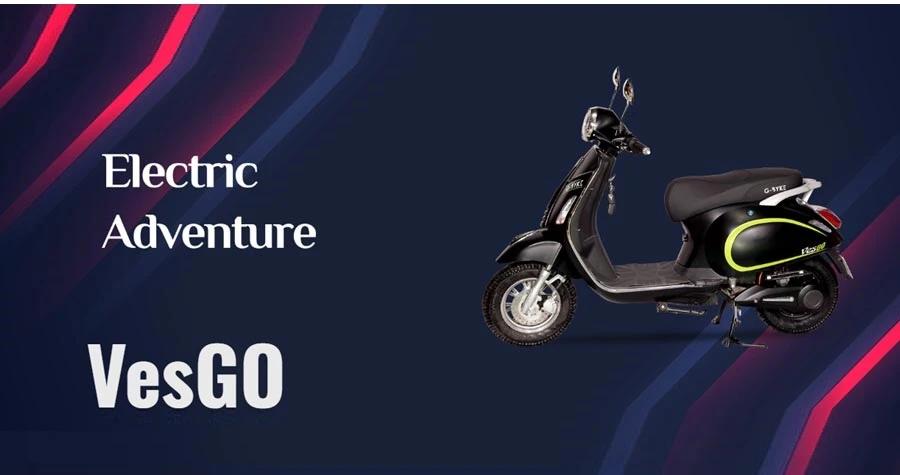
G-Byke is an electric two-wheeler brand operating in the electric mobility and EV dealership franchise category. It focuses on manufacturing and distributing electric scooters and bikes designed for urban and semi-urban transportation.
The franchise opportunity is positioned as a retail and distribution model for electric vehicles, targeting customers transitioning from fuel-based commuting to electric mobility.
2. How the Business Works
The business operates through a showroom and distribution-based model.
- Customers visit the outlet to explore electric scooter and bike options
- Sales teams explain product specifications, pricing, and usage
- Vehicles are sold directly to customers with optional financing support
Daily operations include product display, customer consultation, test rides, order processing, and coordination for delivery. Revenue is generated primarily from vehicle sales, along with potential after-sales services and accessories.
3. Products or Services Offered
The product portfolio is centered on electric two-wheelers.
Key Product Categories
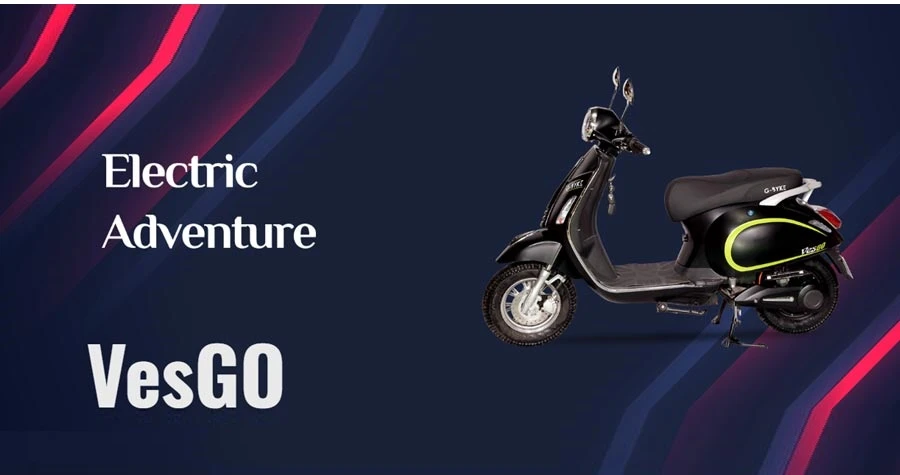
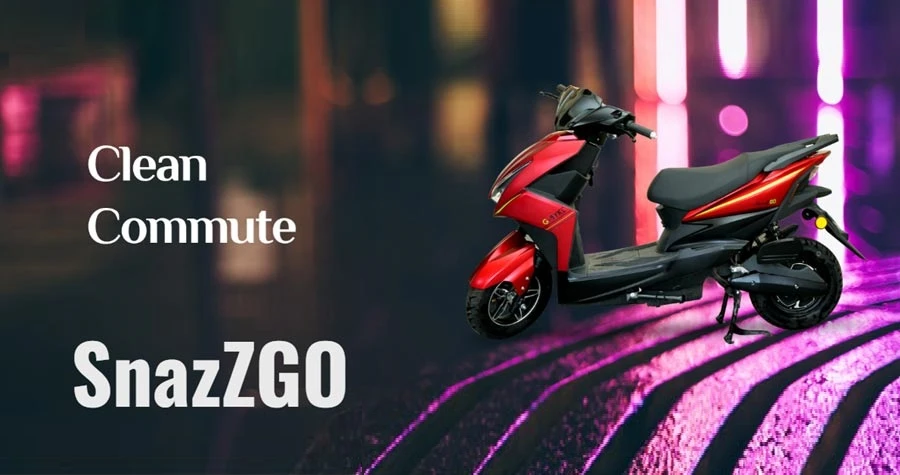
- Commuter Electric Scooters
- Designed for daily urban travel
- Focus on affordability and convenience
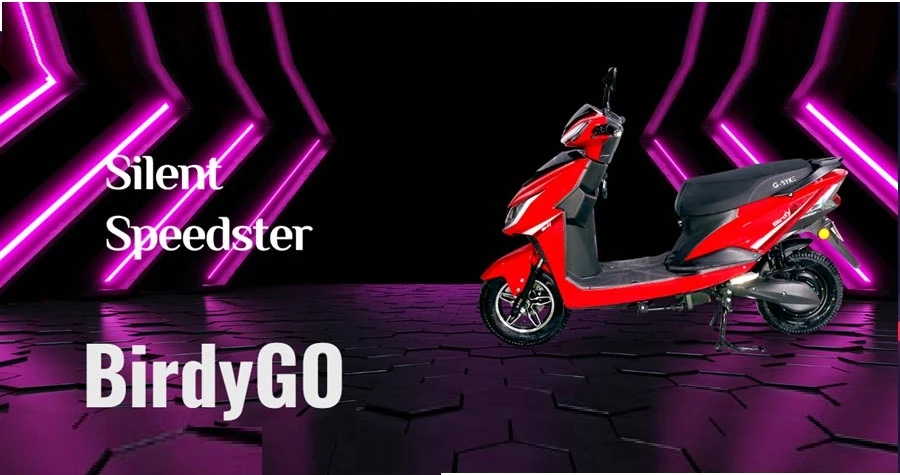
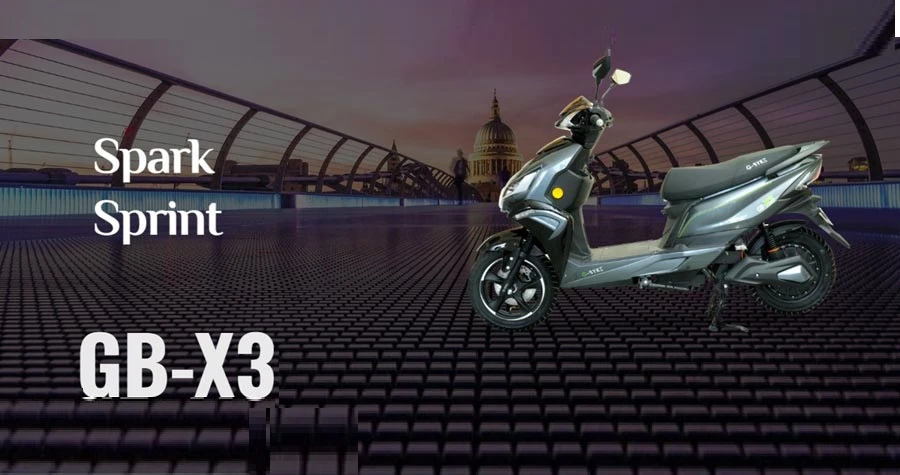
- High-Performance Electric Bikes
- Built for higher speed and performance needs
- Long-Range Electric Scooters
- Extended battery capacity for longer commutes
- Smart Connected Vehicles
- Integrated features such as tracking and performance monitoring
- Fleet and Commercial Solutions
- Vehicles tailored for delivery services and business operations
Additional services may include vehicle servicing, spare parts, and customer support.
4. Franchise Structure and Operating Model
The model functions similarly to an EV dealership.
- Franchise partners operate a local showroom
- The brand supplies vehicles, technical specifications, and product training
- Franchisees handle sales, local marketing, and customer engagement
The franchisor typically manages manufacturing, product development, and supply chain, while the franchisee focuses on retail execution and customer acquisition.
5. Franchise Cost and Investment
The investment is relatively moderate compared to traditional automobile dealerships.
Estimated Investment: INR 5–10 lakh
Typical Cost Components
- Showroom setup and branding
- Initial inventory or display units
- Licensing and compliance requirements
- Sales infrastructure and basic tools
- Working capital for operations
In EV dealership models, earnings are often structured through margins on vehicle sales rather than traditional royalty-heavy systems.
6. Space and Setup Requirements
The model uses a compact showroom format.
Space Requirement: 200–300 sq. ft.
Setup Includes
- Display area for electric vehicles
- Customer interaction and sales desk
- Storage for limited inventory or accessories
Location Preferences
- Urban and semi-urban high-visibility roads
- Areas with growing EV adoption
- Locations accessible for test rides
Staff typically includes sales representatives and support personnel for basic product demonstration.
7. Training and Franchise Support
Franchise partners receive operational and product-related support.
- Training on EV technology and product features
- Sales training and customer handling guidance
- Setup assistance for showroom layout
- Marketing and branding support
- Ongoing updates on new models and features
Support ensures franchisees can effectively communicate technical benefits to customers.
8. Revenue Model and ROI Factors
Revenue is driven primarily by vehicle sales.
Revenue Streams
- Sale of electric scooters and bikes
- Accessories and add-ons
- Potential after-sales services and maintenance
Demand Drivers
- Rising fuel costs encouraging EV adoption
- Government incentives for electric vehicles
- Increasing environmental awareness
Operational Considerations
- Sales volume depends on location and awareness levels
- Product knowledge impacts conversion rates
- After-sales service can enhance long-term revenue
The expected payback period is estimated at 1–2 years depending on sales performance and market demand.
9. Brand Background and Expansion
The company was established in 2021 with a focus on electric vehicle manufacturing. It has expanded its presence through a growing dealership and franchise network across multiple regions.
The expansion strategy is aligned with increasing adoption of electric mobility and the development of supporting infrastructure.
10. What Makes This Franchise Different
Unlike traditional automobile dealerships that require high capital and large spaces, this model focuses on compact EV showrooms with lower inventory requirements. The business benefits from the transition phase of the mobility industry, where demand is shifting from fuel-based vehicles to electric alternatives.
11. Key Advantages of the Franchise
- Growing demand for electric mobility solutions
- Lower setup cost compared to conventional auto dealerships
- Government support and incentives for EV adoption
- Scalable dealership model with expansion potential
- Opportunity to enter an emerging industry segment
- Recurring demand from daily commuting needs
12. Who Should Consider This Franchise
This franchise may be suitable for:
- Entrepreneurs entering the electric vehicle industry
- Investors seeking early entry into EV retail
- Automobile dealers looking to diversify into electric mobility
- Business owners targeting future-focused industries
- Individuals interested in technology-driven transportation solutions
Similar Franchise Opportunities
Entrepreneurs evaluating electric vehicle franchise opportunities may also consider:
- Okinawa Autotech
- Hero Electric
- Ather Energy
- Ampere Vehicles
- Ola Electric
These brands operate within the same electric two-wheeler segment and offer dealership or franchise-based expansion models.
Investment and financials
Investor fit profile
Franchise support
Brand strength
Forefind rank history
Licences and compliance
Gallery
Frequently asked questions
The investment typically ranges from INR 5 lakh to 10 lakh. This includes showroom setup, branding, and initial operational costs. Compared to traditional automobile dealerships, the investment requirement is lower due to compact infrastructure and limited inventory needs.
The business operates as an EV showroom where customers explore, test, and purchase electric two-wheelers. The franchisee manages sales, customer interaction, and local marketing, while the brand supplies vehicles and technical support.
A space of approximately 200 to 300 square feet is sufficient. This allows for a compact showroom setup with vehicle display and customer interaction areas, making it suitable for urban retail locations.
The expected payback period is around 1 to 2 years. Recovery depends on factors such as sales volume, location demand, customer awareness of EVs, and operational efficiency.
Investors can connect with the brand through official enquiry channels. The process generally includes application submission, location evaluation, agreement finalization, and support for showroom setup and product training. ## Similar Franchise Opportunities
Disclaimer: All scores, rankings, and estimates on ForeFind are independently produced editorial assessments using publicly available data and validated brand-submitted information. They are not verified facts, financial advice, or investment recommendations. Full Disclaimer.
